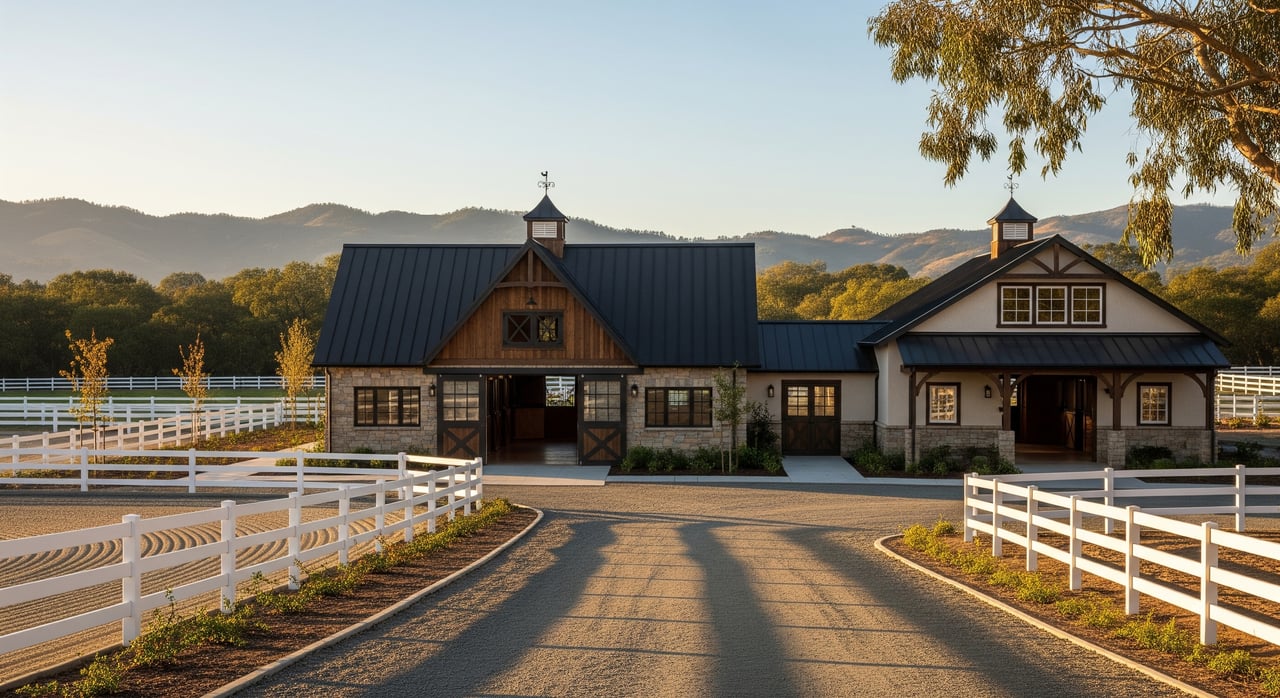
Dreaming of waking up to the sound of hooves and mountain views? If you’re considering an equestrian property in Cottonwood, you’re in the right part of Northern California. The Shasta County foothills offer space, sun, and a true rural lifestyle. This guide shows you what to look for so you protect your horses, your investment, and your peace of mind. Let’s dive in.
Why Cottonwood works for horse owners
Cottonwood sits in a Mediterranean climate with hot, dry summers and cool, wetter winters. That rhythm shapes how pastures grow, when you irrigate, and when you feed hay. It also means you plan for dust and water needs in summer, then manage mud and drainage in winter.
Shasta County has elevated wildfire risk. If you’re buying a horse property, evaluate defensible space, emergency access, and evacuation routes for trailers. Local fire resources and planning through county agencies can help you map an exit plan.
You will also find riding nearby on public lands managed by federal agencies, as well as private arenas and local equestrian groups. Always verify current horse access, trail rules, and seasonal restrictions with the managing agency.
Pasture and forage essentials
Healthy forage supports your horses and lowers feed bills. In Cottonwood’s foothills, productivity varies by soil, slope, and irrigation.
Acreage and layout
Look beyond total acres to usable grazing acres. Steeper slopes and rocky or brushy areas may not provide reliable forage. Walk the pastures to see how much is truly grazeable and where cross‑fencing could improve rotation.
Check setbacks near streams, wells, and property lines when you plan fencing or shelters. Usable layout, not raw acreage, determines how well you can rest fields and control traffic in wet months.
Soil and irrigation
Request a soil test for pH and nutrients, and walk fields to assess plant species, weed pressure, and signs of erosion. Local conservation and extension offices can help interpret results and suggest pasture improvement steps.
Ask about irrigation capacity and infrastructure. Note the presence and condition of pumps, pipes, valves, and any rights tied to surface water. In summer, irrigation often makes the difference between green feed and full reliance on hay.
Carrying capacity and hay
Extension guidance often cites a planning range near 1.5 to 2.5 acres per horse on productive pasture. In foothill conditions with hot, dry summers, you may need more acreage, irrigation, or supplemental hay. Plan for summer dormancy and budget for stored hay through low‑growth periods.
Secure, dry hay storage is essential. Keep hay protected from moisture and rodents and separate from living quarters to reduce fire risk.
Fencing, gates, and paddocks
Safe fencing and smart layout protect horses and simplify daily care.
Safe fence types
Prioritize visibility and strength. Smooth wood rail, pipe with a top rail, or properly installed high‑tensile with visibility enhancements are common options. Avoid barbed wire in horse areas. Inspect post spacing, bracing, and grounding if electric is used.
Fence height should typically range around 4.5 to 5 feet for most horses. If you have larger breeds or stallions, evaluate whether higher or reinforced sections are appropriate.
Gates and trailer access
Measure gate clear widths and approach angles. A gate width of roughly 12 to 16 feet is commonly used for horse and stock trailers. Check turning radius, sightlines from the road, and whether emergency vehicles can enter easily.
Well‑placed gates improve pasture rotation and give you options during storms or emergencies. Redundant access points can be valuable in a wildfire evacuation.
Rotation and dry lots
Look for cross‑fencing that supports rotational grazing. A small sacrifice or dry lot allows you to protect fields during wet periods and avoids churning pastures into mud. Stable, well‑drained footing in these areas helps prevent injuries and hoof issues.
Barns and outbuildings
Functional buildings make daily care efficient and safer for horses and people.
Stall sizes and design
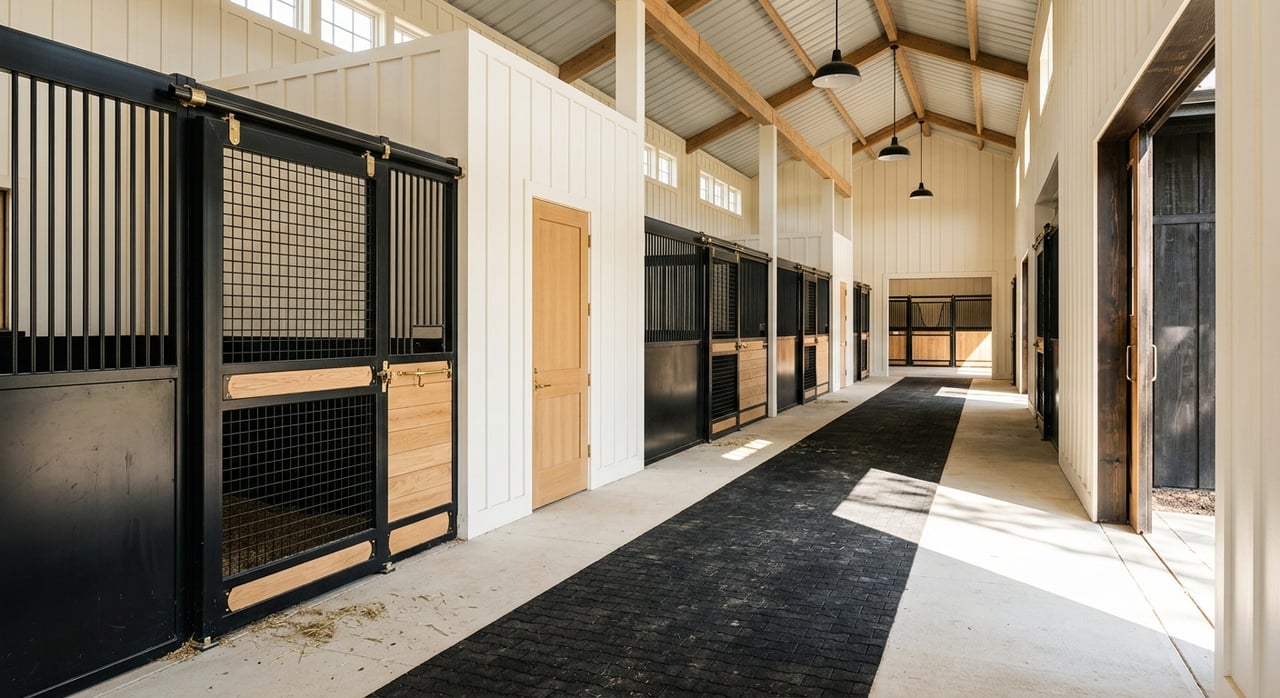
Stalls commonly range from 10×10 to 12×12 feet, with 12×12 preferred for many larger horses. Evaluate aisle widths, ventilation, natural light, and drainage. Good airflow helps manage dust in summer and moisture in winter.
Check floors and mats for traction and cleanliness. Wash racks should have non‑slip surfaces, hot and cold water if possible, and a drain that keeps runoff away from living areas and wells.
Feed and hay storage
Keep hay dry, elevated off the ground, and ideally under a roof separate from sleeping areas to reduce fire risk. Feed rooms should be rodent‑resistant, ventilated, and secure from curious horses.
Plan space for farrier and veterinary work, including trailer parking, lighting, and flat surfaces for exams and shoeing.
Electrical and fire safety
Inspect wiring in older barns and confirm proper outlets for equipment and water heaters. Look for clear emergency exits, fire extinguishers, and marked shutoffs. Review hay storage distance from electrical panels and ignition sources.
Water, wells, and rights
Reliable water is non‑negotiable in Cottonwood’s dry season. Horses and irrigation both contribute to demand.
- Identify the water source: municipal, well, spring, or surface diversion. Each has different reliability and regulatory considerations.
- For wells, order a pump test to document gallons per minute and sustainability in peak summer demand. Also test water quality for bacteria, nitrates, and salinity.
- If the property uses surface water or a spring, verify the existence and status of any water rights or permits with the appropriate state resources. Rights affect both seasonal availability and legality of use.
- Confirm that irrigation systems match the source capacity. Undersized pumps or aging lines can limit pasture productivity and increase maintenance costs.
Waste and environmental factors
Responsible manure and runoff management protects horse health and water resources.
- Review manure storage and whether composting or hauling is in place. Storage should be sited away from wells, streams, and drains.
- Ask county environmental health about any rules that apply to large animal operations, runoff controls, or septic impacts.
- Check FEMA flood map status and look for wetlands or riparian corridors that may limit fencing, structures, or horse access. Sensitive areas can come with added permitting steps.
Access, roads, and utilities
Day‑to‑day access and emergency movement are just as important as fences and stalls.
- Driveway and road: Evaluate grade, width, and surfacing for heavy trailers. Look for seasonal washouts or soft spots and confirm who maintains private roads.
- Turnaround and parking: Ensure space for turning a loaded trailer and parking for multiple rigs or equipment.
- Power and communications: Confirm sufficient power for well pumps, barn equipment, and potential electric fencing. Check cell reception and internet options for alerts, cameras, and emergency communication.
- Septic and capacity: Septic systems are rated for a certain number of bedrooms. If you plan a caretaker unit or guest housing, you will need to confirm permits and system capacity through the county.
Legal and zoning checks
Before you fall in love with an arena view, confirm the rules.
- Zoning and animal limits: Verify the zoning district and how many horses or livestock are allowed. Setbacks and accessory building rules vary by district.
- Easements and access: Order title and a current survey to identify any easements, rights‑of‑way, or boundary concerns that could affect fencing, barns, or trail access.
- Conservation and tax programs: Determine if the property is under any conservation easement or agricultural contracts that limit use. Ask about local fire defensible‑space requirements around barns and hay storage.
Inspection and due‑diligence timeline
Map a clear sequence for inspections so you do not miss critical items.
- Hire core inspectors
- General structural review for barns and outbuildings by a qualified contractor.
- Fencing and paddock assessment by an equine‑experienced pro or local barn builder.
- Septic inspection by a licensed professional, including records and permits.
- Fire risk evaluation with local fire authorities to review defensible space and evacuation logistics.
- Order property tests
- Well pump test to confirm flow and sustainable yield in gallons per minute.
- Water quality lab tests for bacteria, nitrates, and salinity.
- Soil test for pH and nutrients, plus a pasture walk to estimate carrying capacity and identify improvement options.
- Complete legal and mapping work
- Title review and an ALTA‑level survey to confirm boundaries, easements, and access.
- Floodplain and wetlands check to understand any development or use constraints.
- Build an operating plan
- Estimate annual hay needs for summer and low‑growth seasons.
- Budget for fence repair, irrigation upkeep, manure removal, utilities, and insurance.
- Identify local service providers, including hay suppliers, farriers, veterinarians, fencing contractors, and well specialists.
Budgeting and operating realities
In Cottonwood, acreage alone does not guarantee feed. Summer heat and dry conditions often require irrigation or supplemental hay. Plan storage space and pricing swings for local hay markets.
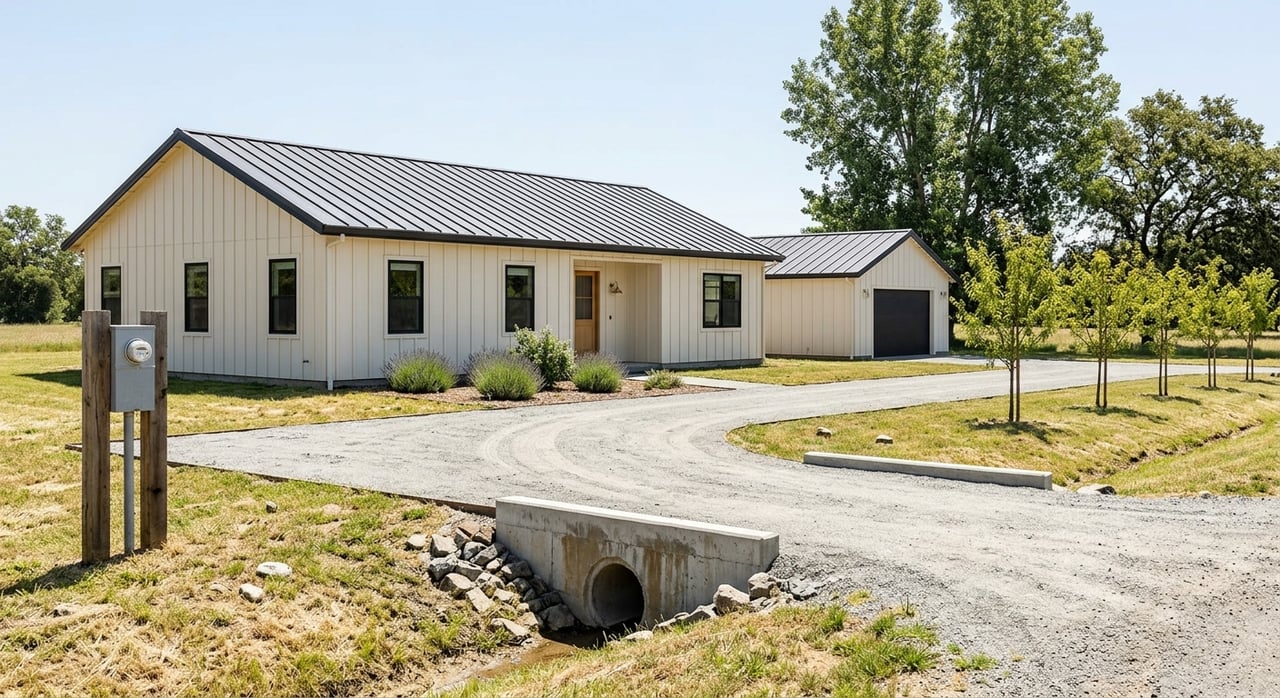
Rural road maintenance can add recurring costs, especially on shared or private roads. Factor in periodic gravel, grading, culvert work, and storm damage.
Insurance and liability coverage deserve a close look if you host lessons, board horses, or invite riders. Discuss policy options that match your intended use.
Quick buyer checklist
- Confirm zoning and allowable number of horses with county planning.
- Walk the pasture with an extension or conservation advisor to count usable acres and evaluate species and erosion.
- Request a soil test and pasture productivity estimate.
- Conduct a well flow test and water quality analysis.
- Inspect fencing for type, height, visibility, and soundness. Measure gate widths and trailer turning radii.
- Review barn and outbuilding condition, including stall size, ventilation, and electrical safety. Verify hay and feed storage.
- Evaluate driveway grade, gate access, and trailer parking.
- Verify manure storage and runoff practices meet county guidance and are set back from wells and streams.
- Order title and a current survey to check boundaries, easements, and access.
- Check floodplain and any wetland constraints.
- Confirm wildfire mitigation needs with local fire authorities and map evacuation routes.
- Build a budget for hay, fencing maintenance, water system upkeep, utilities, and insurance. Gather local estimates.
Working with a local expert
Choosing the right equestrian property in Cottonwood is about matching land, water, and facilities to how you ride and care for your horses. With local climate, wildfire, and water considerations in play, having a trusted guide makes a real difference. If you want a seasoned advocate to coordinate inspections, confirm zoning and access, and negotiate strong terms, connect with Monet Templeton. She brings deep regional roots and a full‑service approach so your move into horse property is confident and well informed.
FAQs
How many acres per horse in Cottonwood?
- Extension guidance often cites about 1.5 to 2.5 acres per horse on productive pasture, but in Cottonwood’s hot, dry foothills you may need more land, irrigation, or supplemental hay.
What should I test in a well before buying a horse property?
- Order a pump test for gallons per minute and sustainability, plus lab tests for bacteria, nitrates, and salinity to confirm suitability for stock water and irrigation.
How do I confirm horses are allowed on a specific parcel?
- Check the property’s zoning with county planning to verify allowed animal units, setbacks, and any accessory building requirements that apply to barns and paddocks.
What wildfire steps should an equestrian property have in Shasta County?
- Look for defensible space around structures, safe hay storage, multiple access points for trailers, and a preplanned evacuation route reviewed with local fire authorities.
What gate width works for most horse trailers?
- Many buyers look for 12 to 16 feet of clear width with good approach angles and turning radius so trailers and emergency vehicles can enter and exit safely.