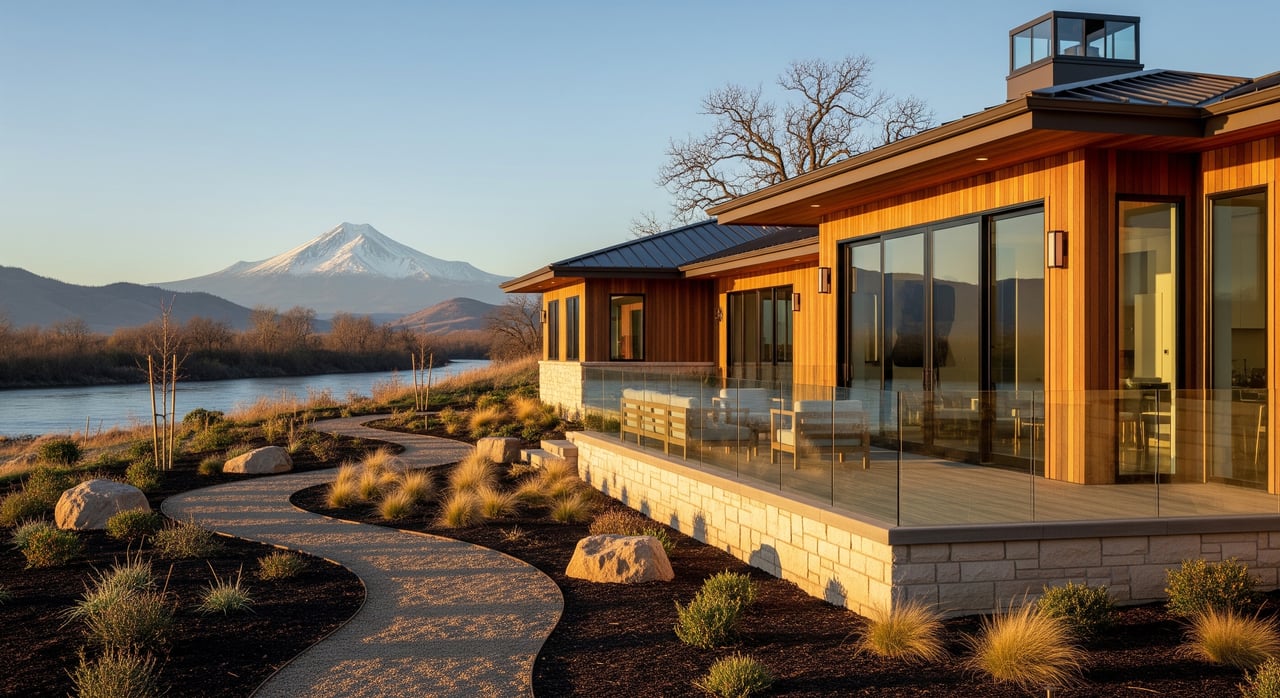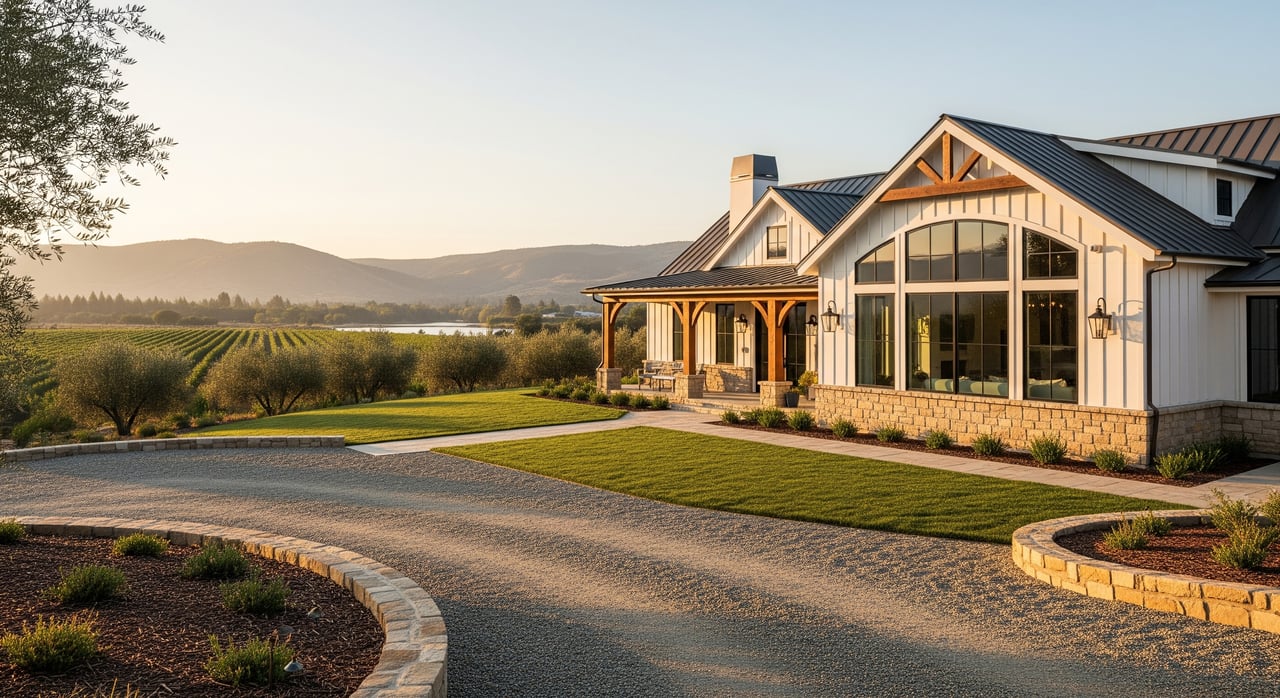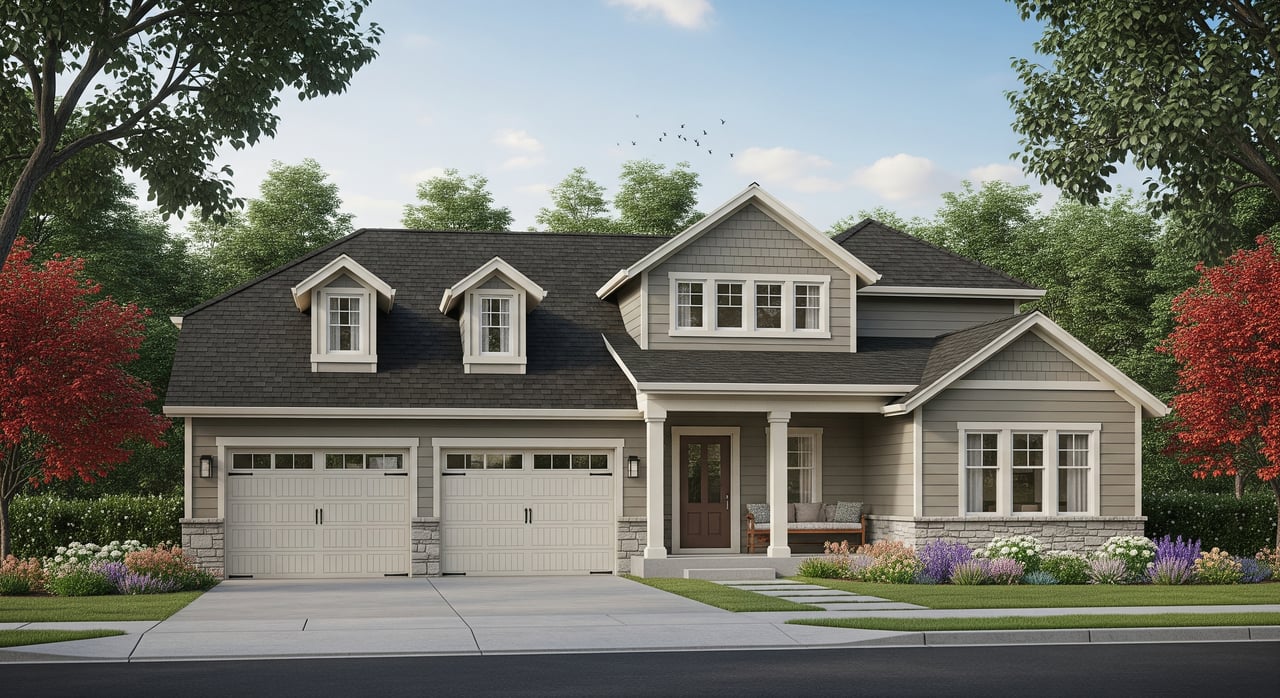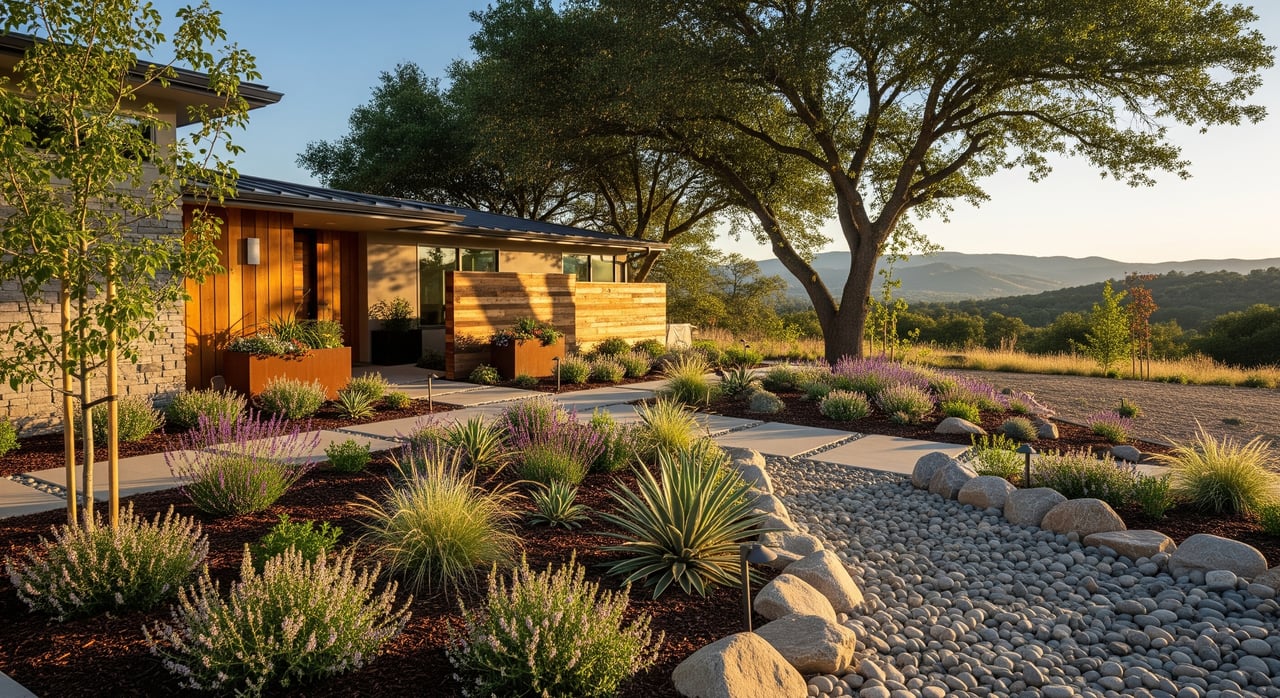
Is your yard guzzling water every summer while the sun bakes Cottonwood? You are not alone. Many Shasta County homeowners want outdoor spaces that look great, photograph well, and use far less water. In this guide, you will learn how to build a drought-smart landscape that fits our local climate, supports fire-wise safety, and boosts curb appeal for resale. Let’s dive in.
Why drought-smart fits Cottonwood
Cottonwood sits in a Mediterranean climate with hot, dry summers and most rain falling in the cool season. That means your plants need to handle summer drought and occasional winter moisture. Local soils vary from clay to rocky loam, so drainage and site conditions matter.
Many properties rely on wells, while others connect to water districts that may set seasonal watering restrictions. Always confirm your water source, current rules, and any available rebates for high-efficiency irrigation or turf removal. If you plan a major irrigation upgrade, expect backflow prevention requirements.
Wildfire risk is part of life in Shasta County. Your landscape should follow defensible space guidance from Cal Fire or your local fire district. A thoughtful plan can reduce plant fuels near structures and improve safety while keeping your yard attractive.
Plant choices that shine with low water
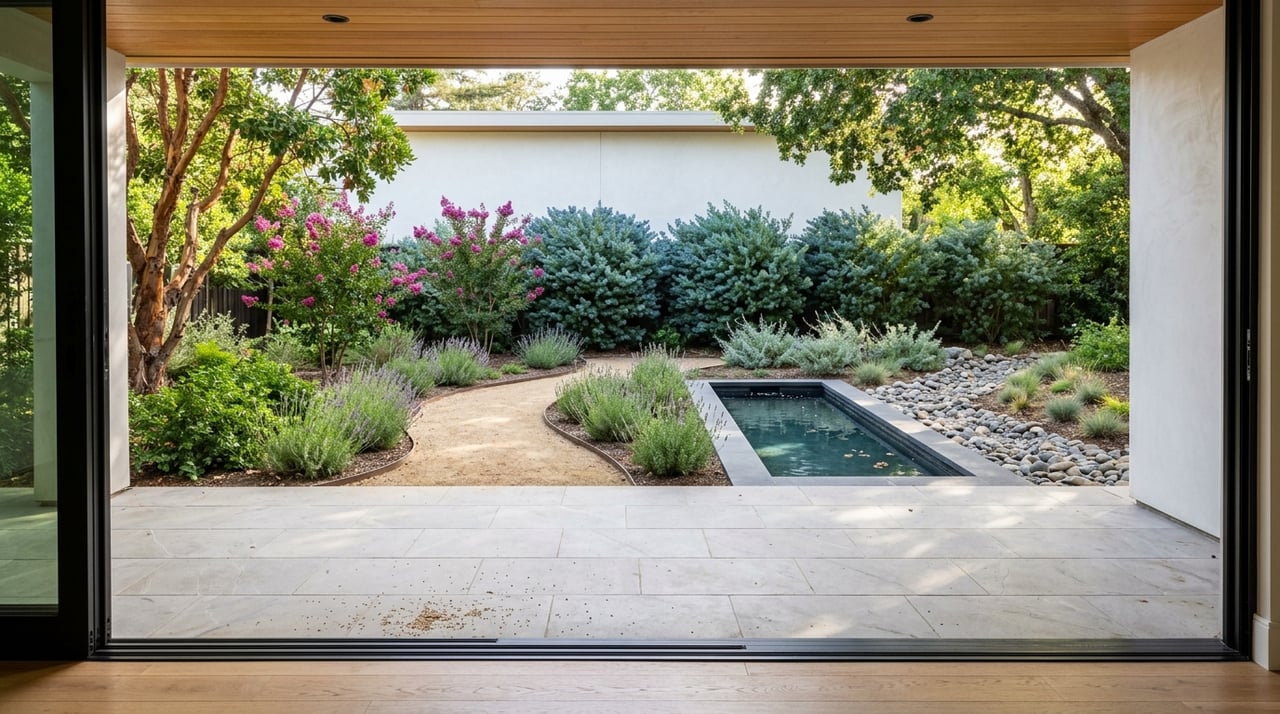
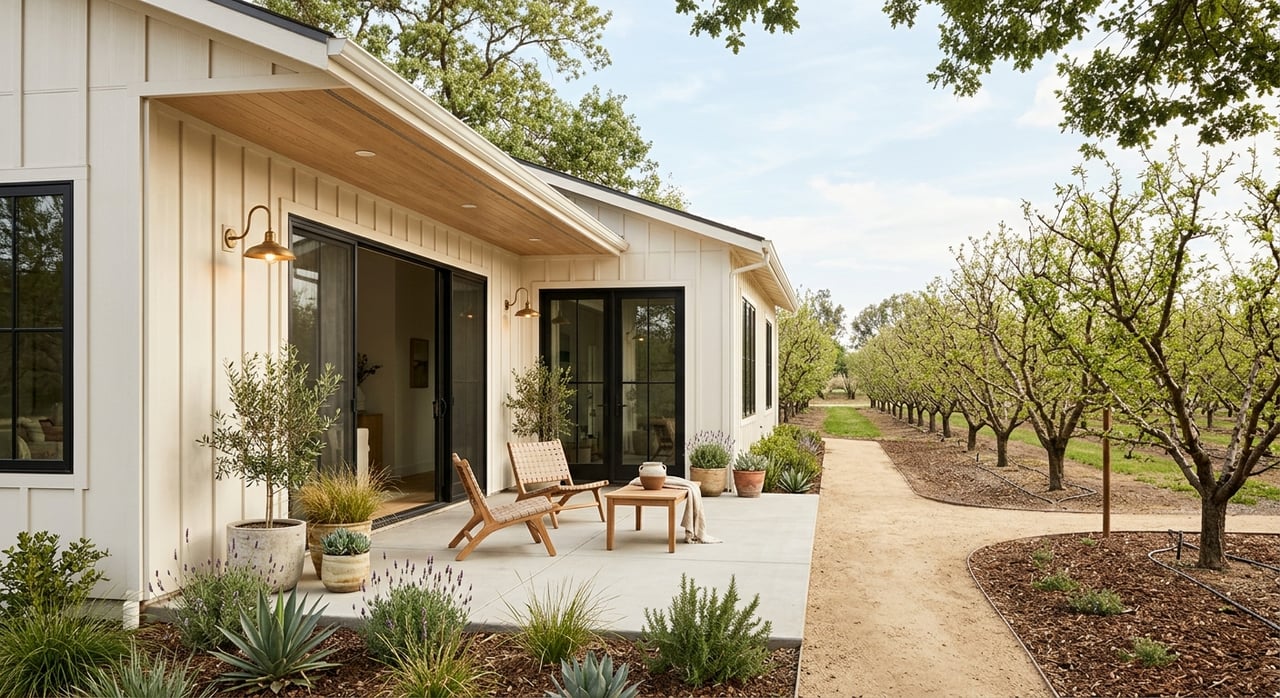
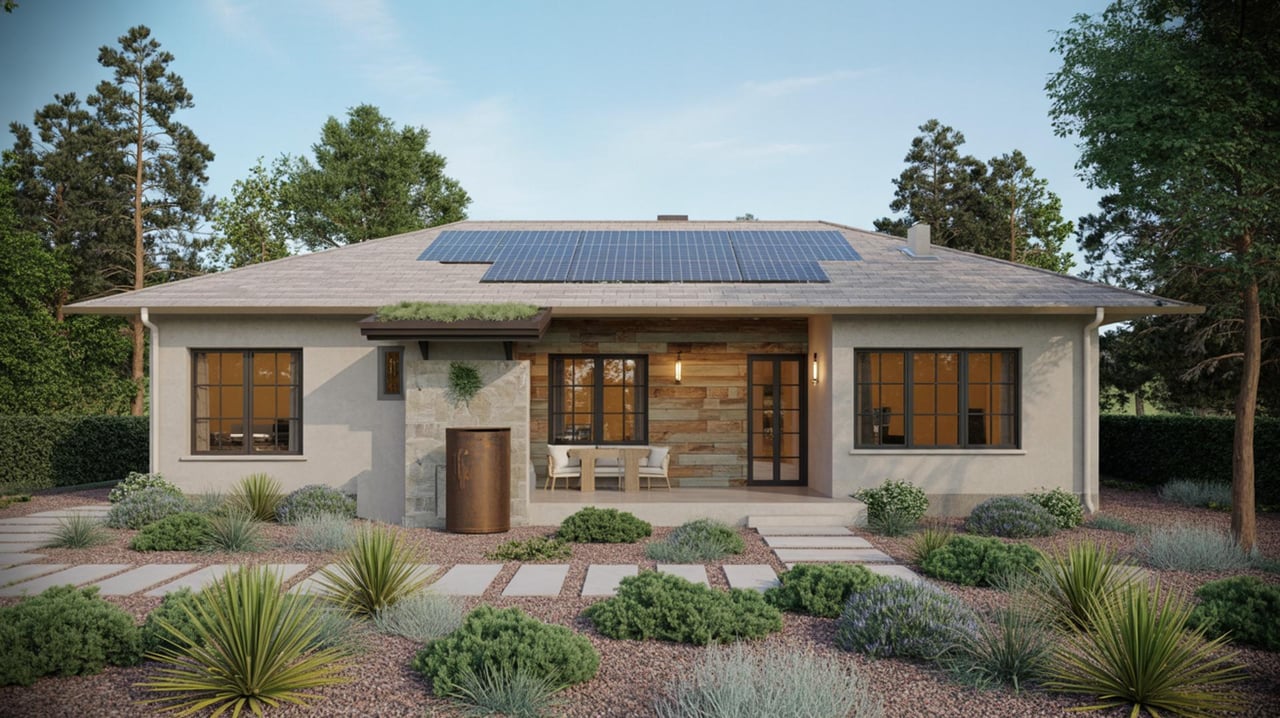
You can have a yard that is beautiful, low maintenance, and water wise. Focus on native and Mediterranean-adapted plants that thrive in Northern California. Mix small trees, evergreen shrubs, flowering perennials, groundcovers, ornamental grasses, and a few sculptural accents. Aim for year-round structure with seasonal color to keep photos compelling.
Small trees for focal points
- California buckeye for striking spring flowers. Place it where summer dormancy will not detract from your front entry.
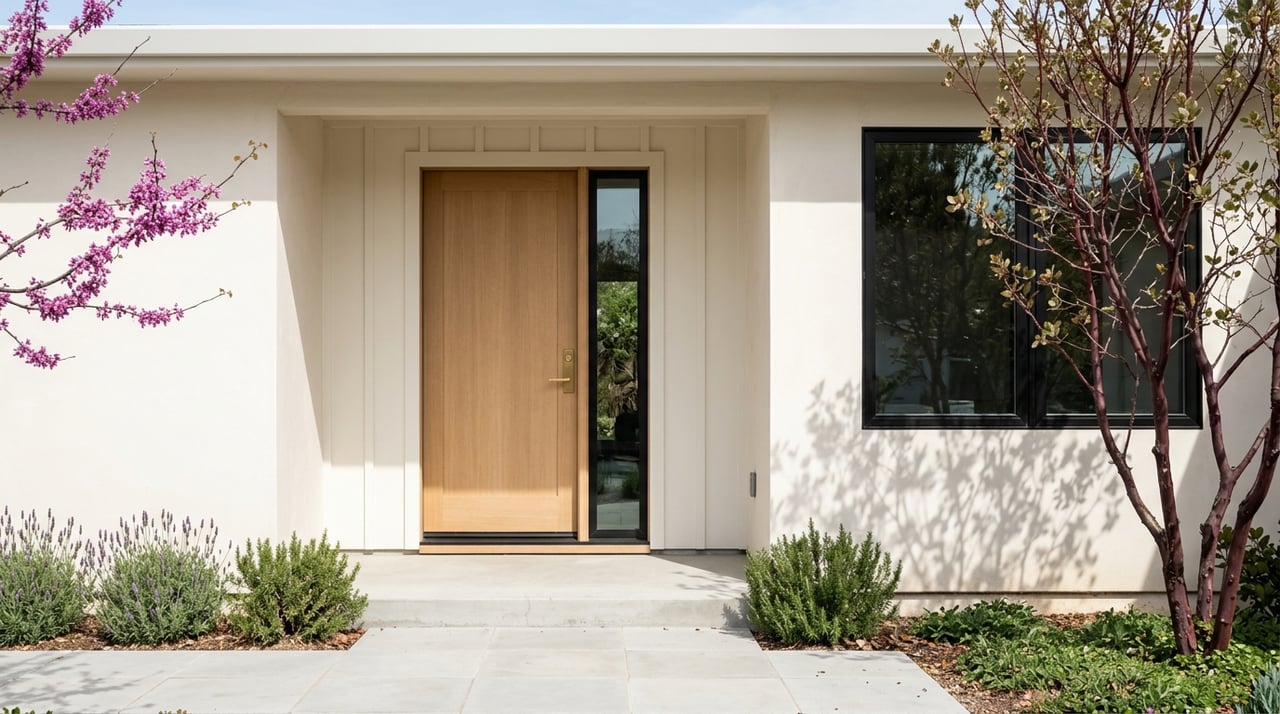
- Western redbud or select redbud cultivars for spring blooms and bold form.
- Drought-tolerant native oaks for long-term value and shade, understanding they are slow growing.
Evergreen shrubs with structure
- Ceanothus for blue spring flowers and year-round greenery.
- Manzanita for smooth bark, clean forms, and very low water once established.
- Coffeeberry for a durable, tidy hedge or anchor shrub.
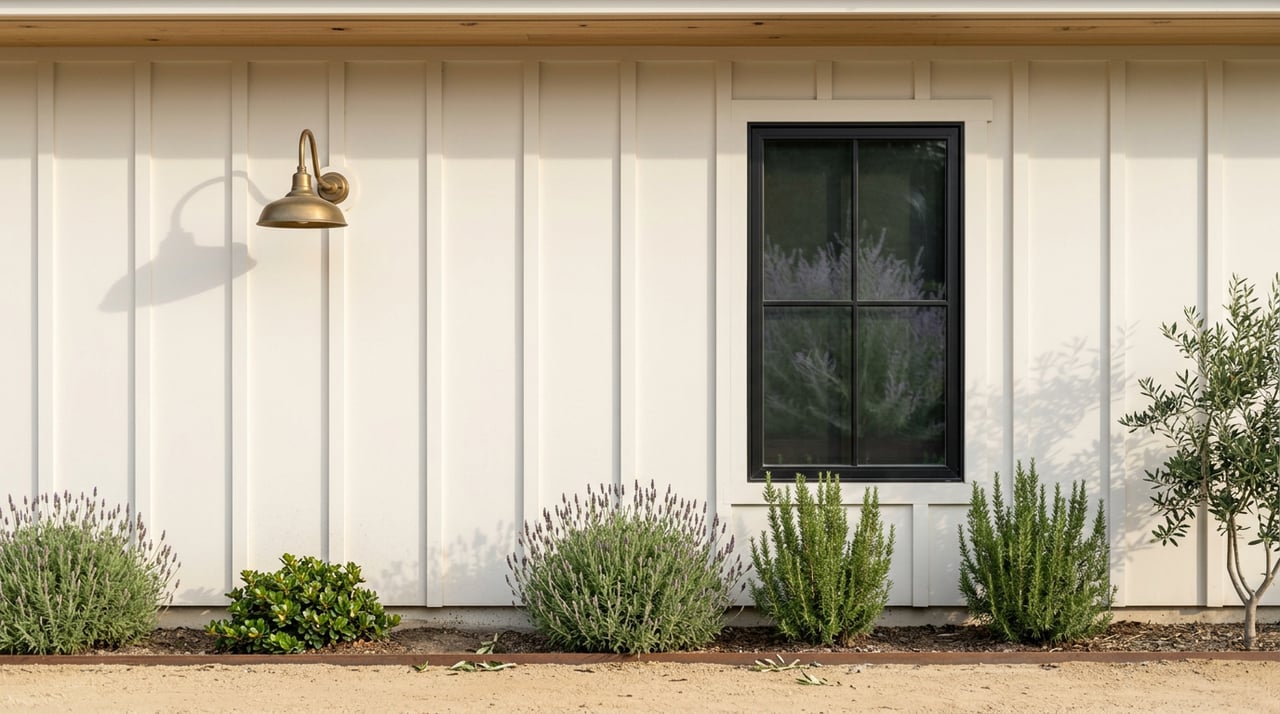
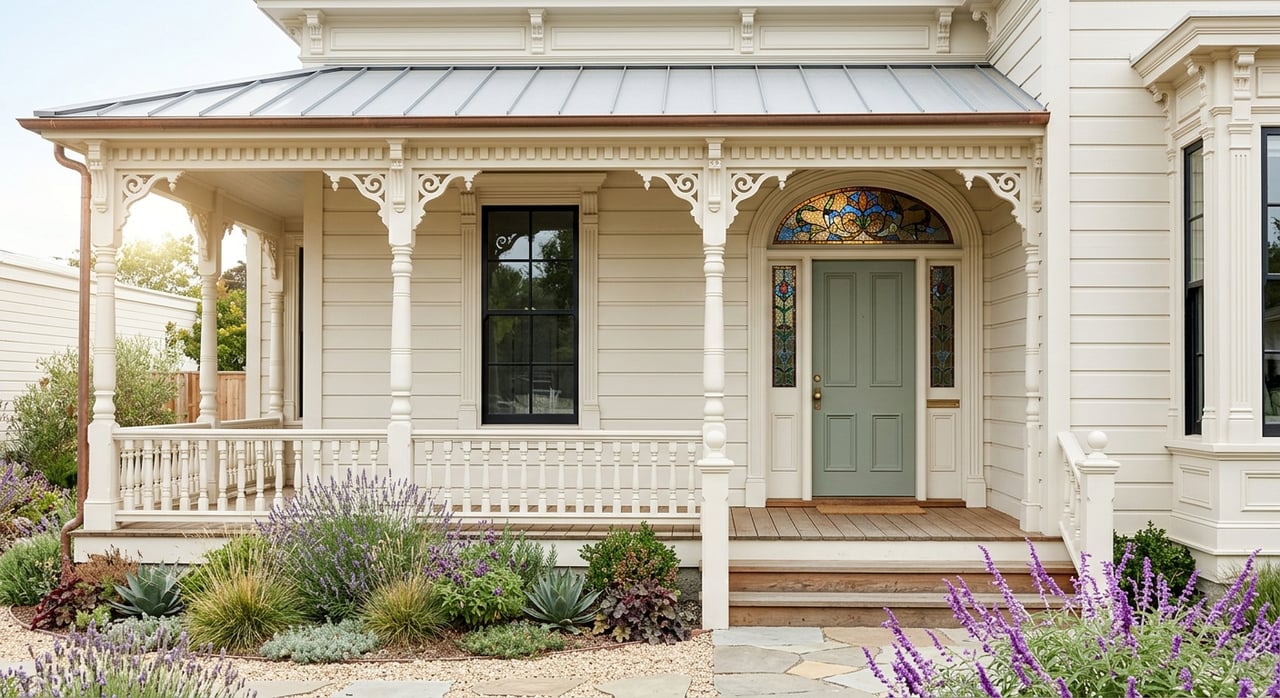
- Rosemary and lavender for evergreen texture, fragrance, and pollinator-friendly blooms.
Perennials and colorful accents
- Penstemon, salvia, catmint, and yarrow for consistent color and texture.
- California poppy for seasonal color splashes.
- California fuchsia for late-season blooms and hummingbird interest.
Grasses and grass-like plants
- Drought-tolerant ornamental grasses and native bunchgrasses add movement and contrast. Consider blue wildrye or similar species for texture.
Groundcovers and lawn alternatives
- Prostrate ceanothus, low rosemary, sedums, and thyme create green carpets with far less water than turf.
- Native bunchgrasses can serve as informal lawn alternatives in select areas.
Succulents for architecture
- Agave, aeonium, and sedum offer bold shapes. Use them as accents or in containers. In higher fire-risk areas, place them thoughtfully and avoid large masses near structures.
Photo-friendly planting tips
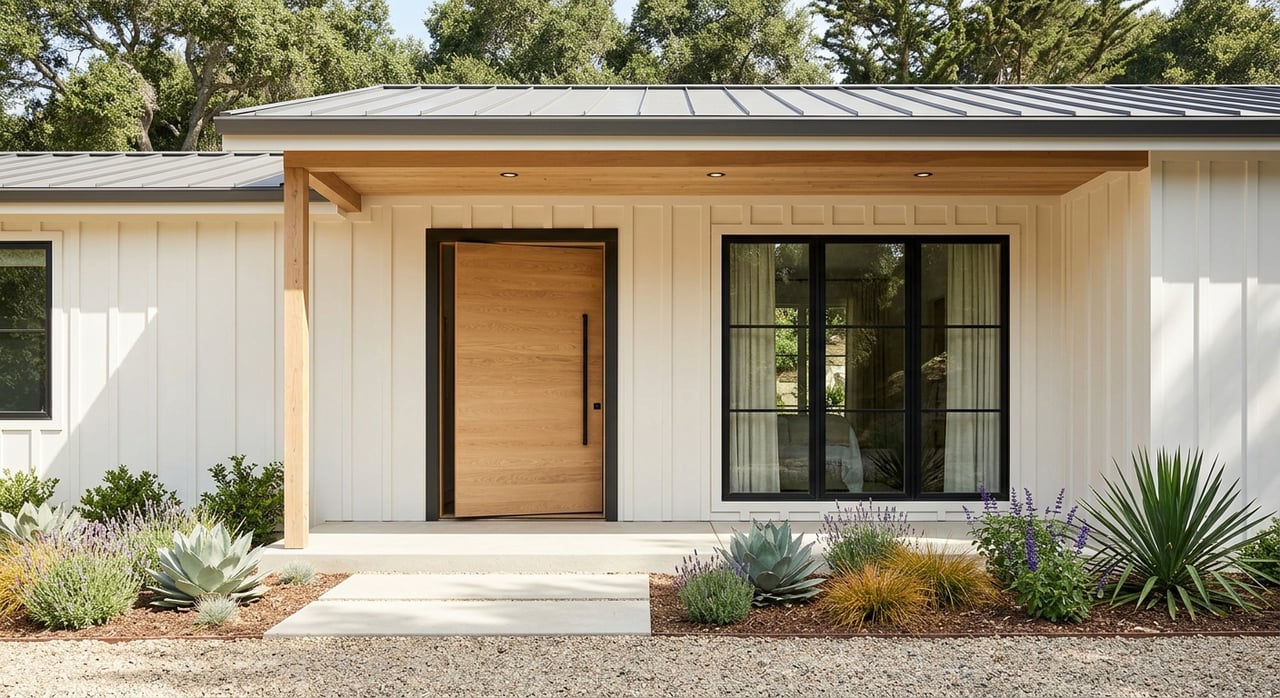
- Use one or two specimen plants near the front door for a clean focal point.
- Repeat a small palette of two or three species across the front yard for cohesion.
- Combine fine textures, like sages, with bold forms, like agaves, for depth in images.
- Keep plantings tidy so the house remains clearly visible in photos.
Irrigation that saves water
Drip irrigation is the backbone of a drought-smart yard. It delivers water directly to root zones and reduces evaporation and runoff. Pair it with a smart controller to adjust watering based on weather.
Core components to include
- Drip lines and emitters for shrubs, perennials, and trees.
- A pressure regulator, typically set to 20 to 30 psi, to keep emitters consistent.
- A filter to prevent clogs, especially with well water.
- Valves and a smart, weather-based or sensor-driven controller.
- Backflow prevention, which local codes commonly require.
- Flush points and isolation valves for easier maintenance.
Design and scheduling tips
- Group plants by water needs into hydrozones. Trees, shrubs, and any remaining lawn should run on separate zones.
- Choose low-flow emitters, often 0.5 to 2 gallons per hour, and use multiple emitters to match larger root zones.
- For trees, place several emitters in a circle around the drip line rather than at the trunk. Consider drip rings.
- Add 2 to 4 inches of mulch in beds to reduce evaporation and moderate soil temperature. Keep mulch away from trunks.
- Use soil moisture sensors or tensiometers to prevent overwatering, especially during establishment.
- Cut schedules in the rainy season and resume as needed when dry weather returns.
Ongoing maintenance
- Check filters and flush lines on a regular schedule.
- Inspect emitters for clogs and adjust flow as plants mature.
- Hand-water new transplants more often at first, then transition them to drip as roots establish.
Design for curb appeal and resale
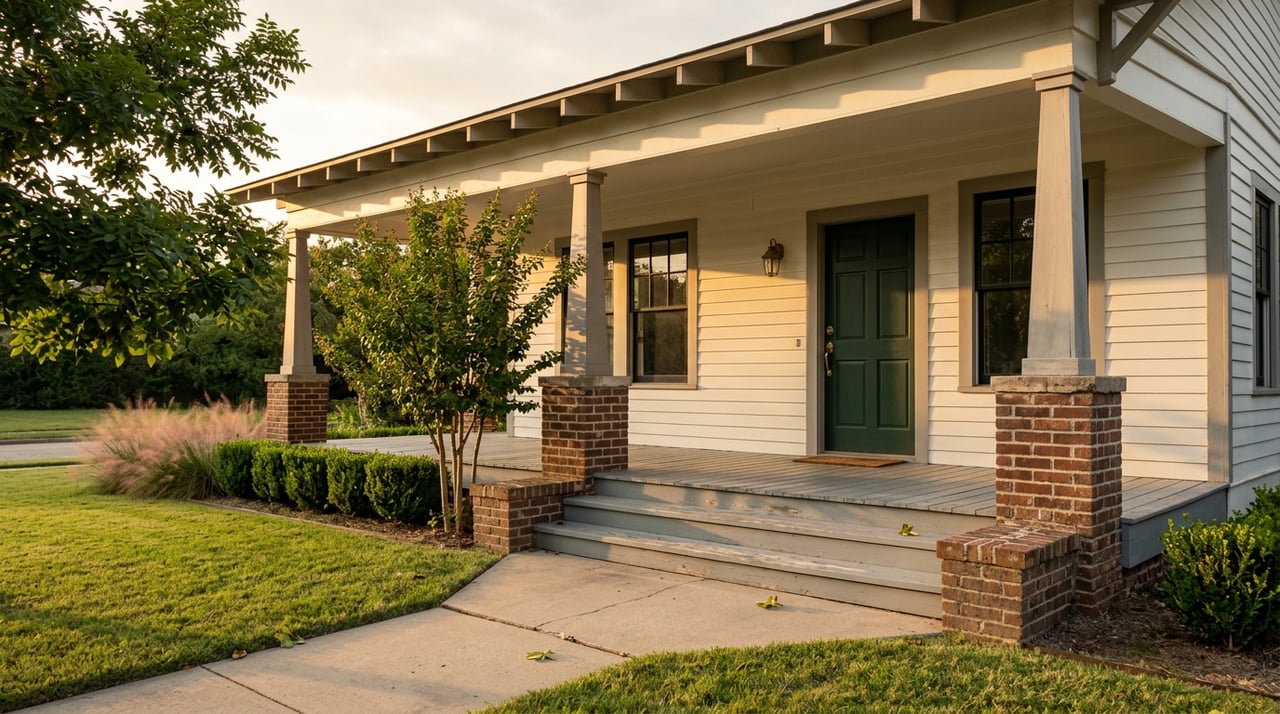
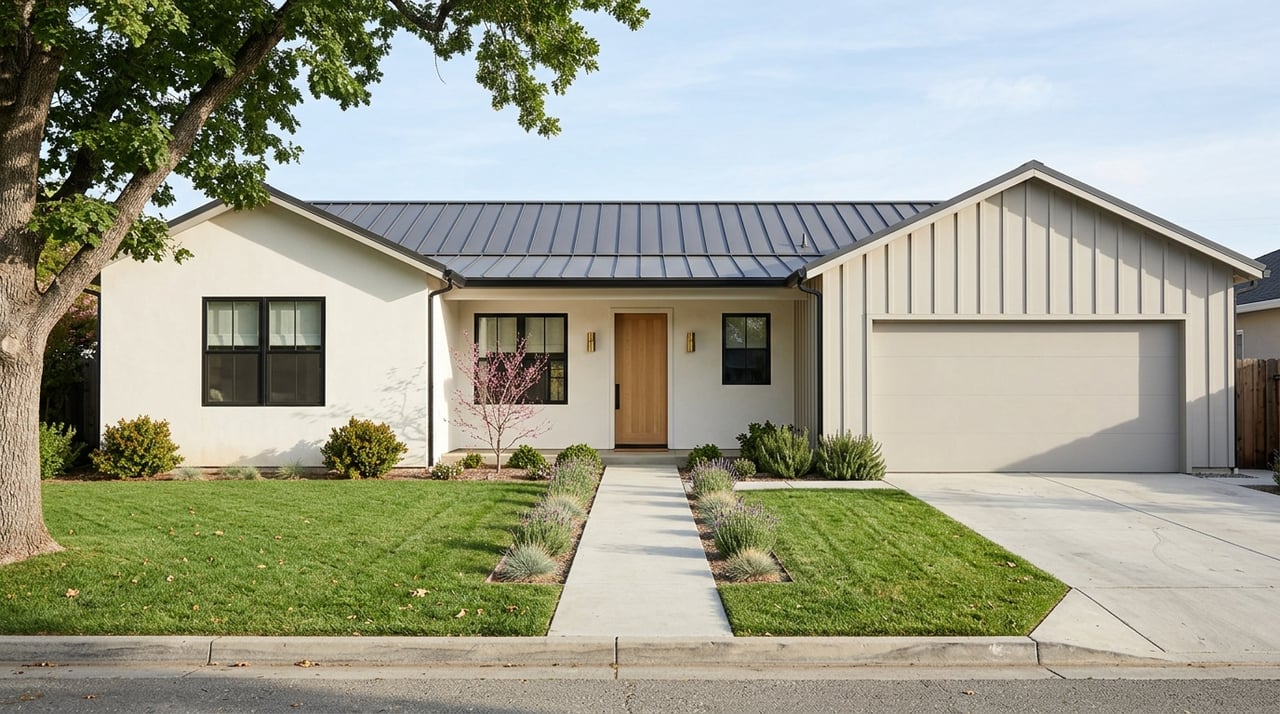
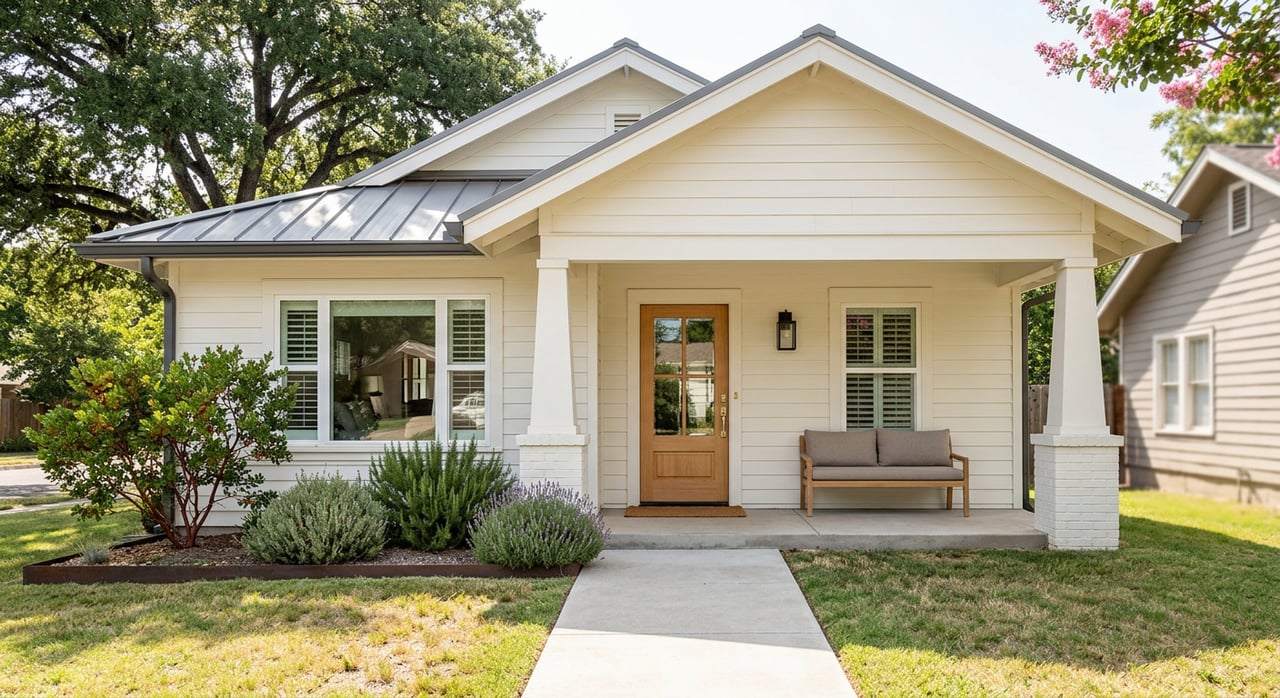
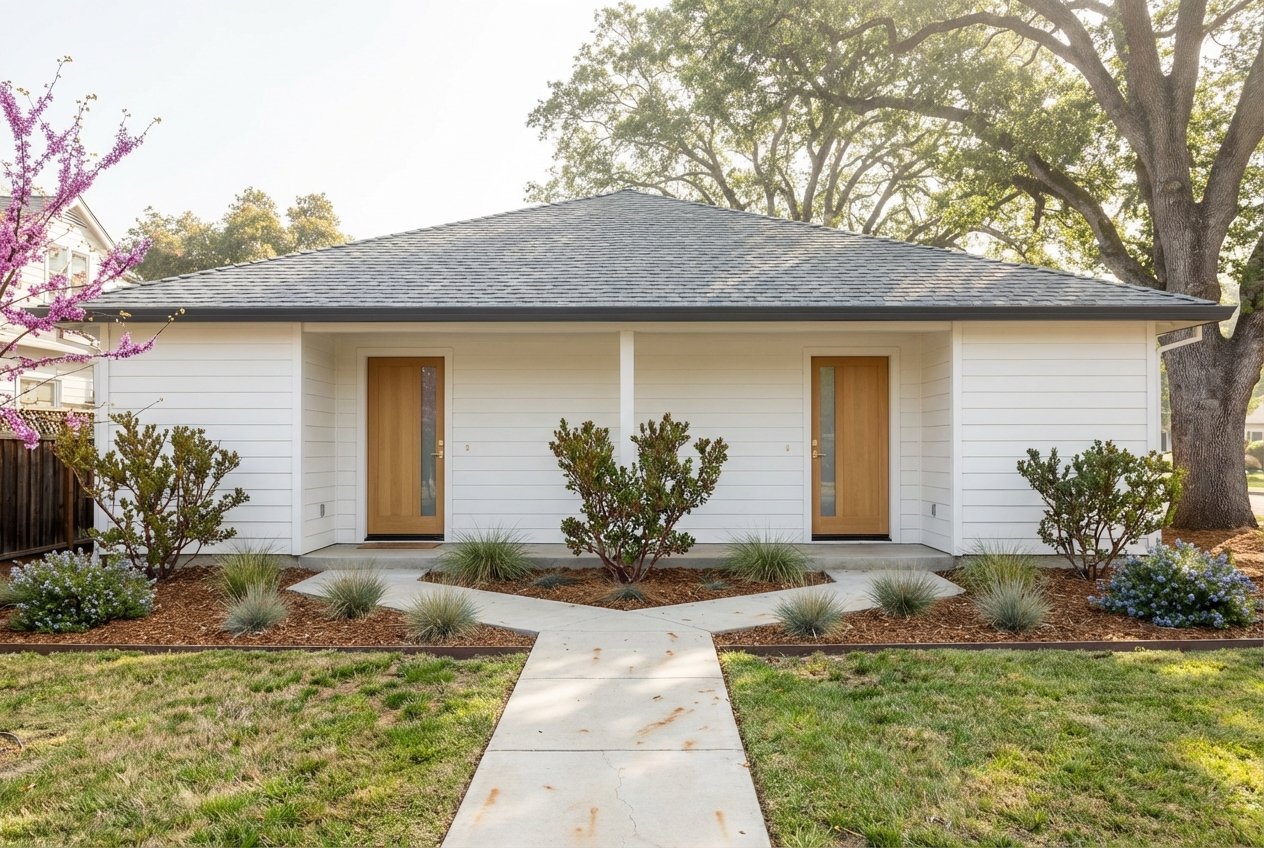
A clean, simple layout sells. Plan clear pathways and sightlines so buyers see your front door at a glance. Keep the plant palette tight and repeat it for a polished look.
Practical turf reduction
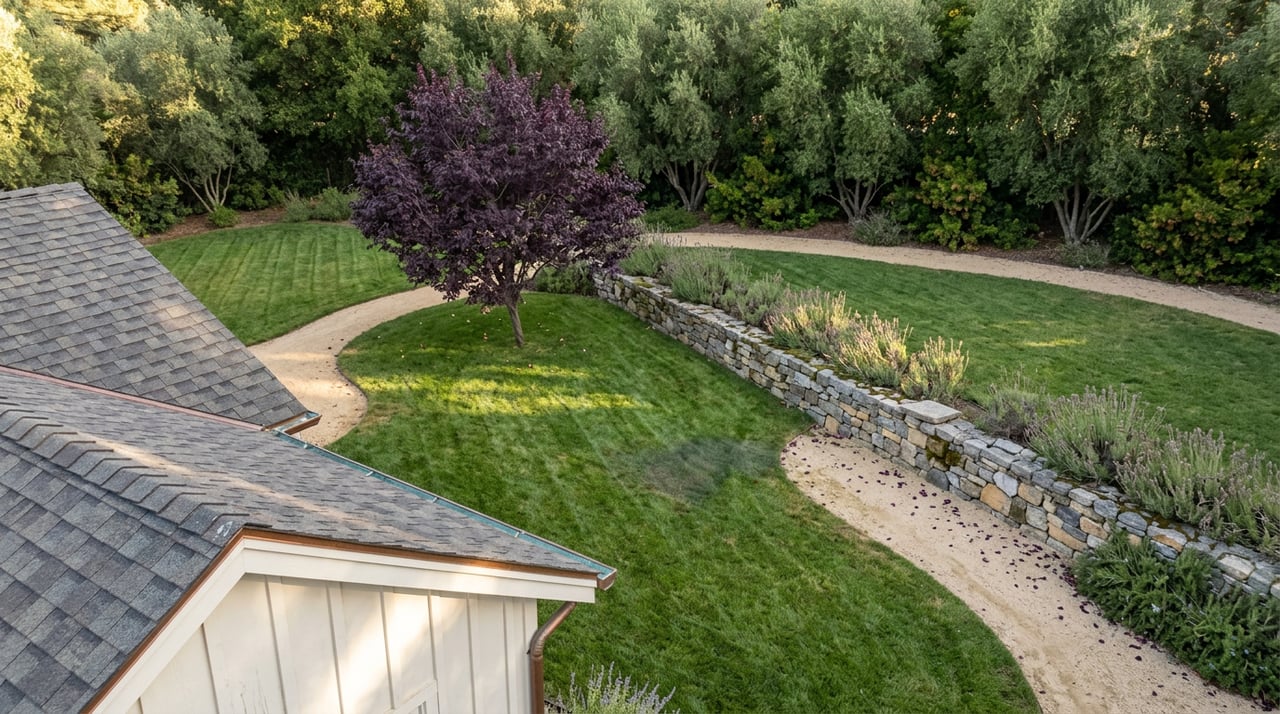
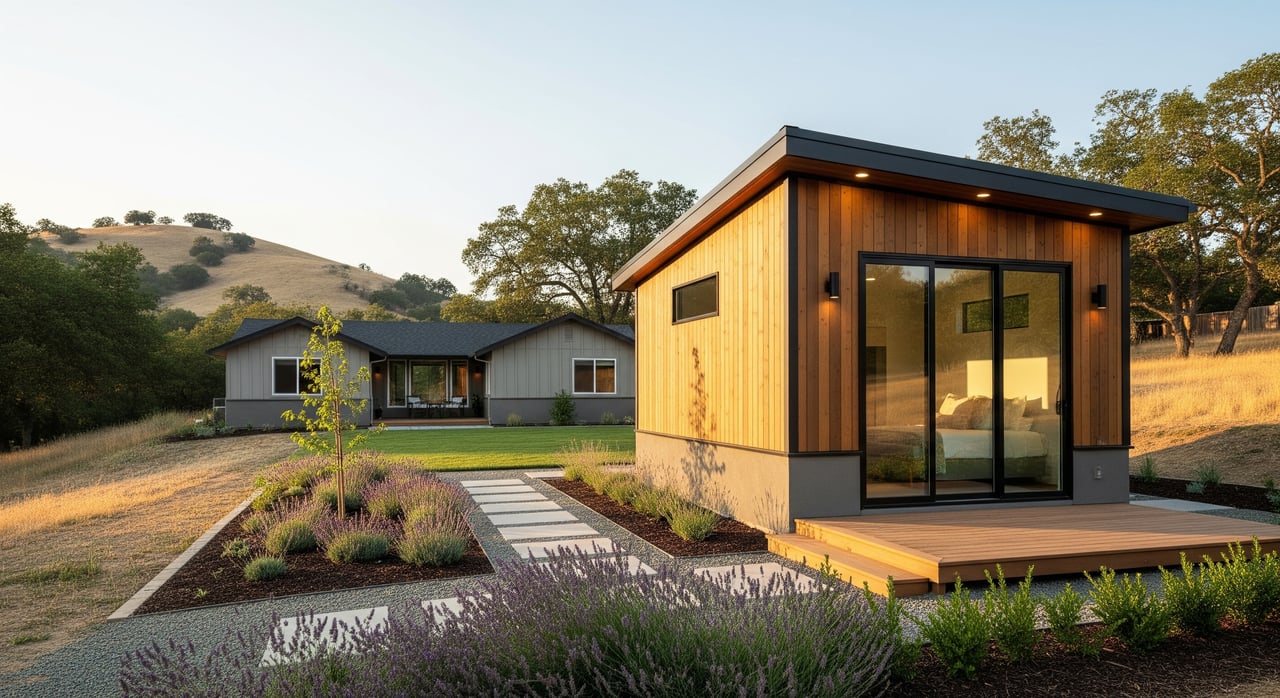
If you have a large lawn, consider reducing it. Replace high-water areas with drought-tolerant groundcovers, decomposed granite, or gravel beds. If your neighborhood expects some lawn, maintain a small, healthy area near the entry and remove turf where it is less visible.
Focal points and color timing
Select one or two specimen trees or shrubs to anchor the entry. Time plantings so blooms align with your listing window. Long-blooming options like ceanothus, salvias, and lavender create color that lasts through showings and photos.
Hardscape, edges, and lighting
Fresh mulch, clean borders, and defined edges make the space feel finished. Repair pathways and consider simple lighting for evening showings and photos. Conceal visible irrigation tubing where possible.
Quick photo prep checklist
- Mow and edge any remaining lawn.
- Prune to neat shapes and remove dead growth.
- Top-dress beds with 1 to 2 inches of fresh mulch, if allowed by fire code.
- Place one or two containers with seasonal color near the door.
- Repaint or refresh the front door and address numbers if needed.
Fire-wise basics for Shasta County
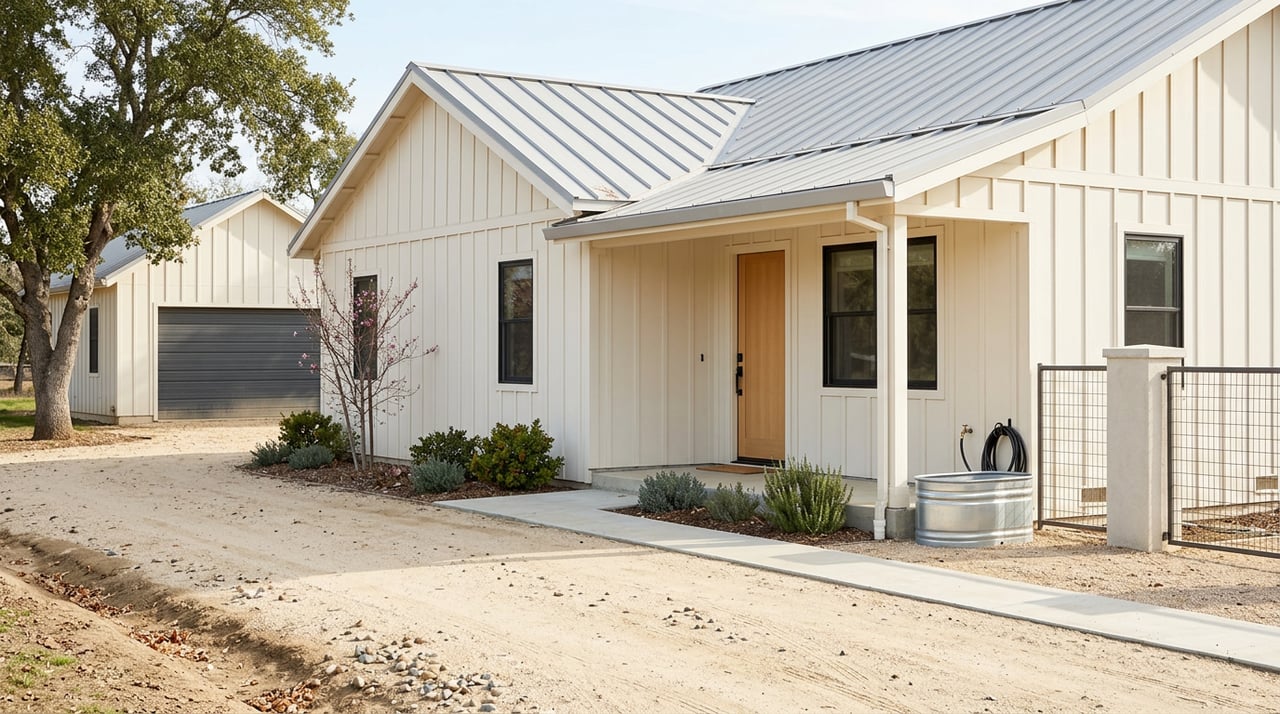
Keep the first zone around your home lean and clean. Space plants to prevent continuous fuel near structures, and choose lower-fuel species closest to the house. Remove dead material, keep gutters clear, and maintain irrigation systems so plants are hydrated before peak fire season.
Use gravel, DG, or well-maintained low-fuel groundcovers near structures where appropriate. Confirm defensible space requirements with Cal Fire or your local fire district before major changes.
Costs, timelines, and permits
Expect shrubs and perennials to establish in about 1 to 2 years. Trees often need 1 to 3 years before you can reduce watering further. After establishment, a low-water yard usually needs less weekly upkeep than traditional turf.
For budgeting, a basic drip retrofit in a small front yard can run in the low thousands depending on complexity. Planting a mix of drought-tolerant shrubs and trees with mulch ranges from modest to mid-level costs based on plant size and quantity. Hardscape, such as paths or retaining walls, adds more cost, so plan that portion carefully.
Check local rules on backflow prevention and any permits for irrigation installation. If you plan grading, walls, or substantial hardscape, a county permit may be required. Ask your water provider about current restrictions and any rebate programs for high-efficiency irrigation or turf removal.
Seller and buyer priorities
A tidy, drought-smart landscape is often a selling point in California. Many buyers want low maintenance and lower water bills. Highlight low-water features in your listing, including a brief note about drip irrigation, smart controls, and plant choices.
If you are selling, consider offering documentation such as an irrigation map, controller manual, and seasonal maintenance notes. Buyers appreciate a clear handoff. If you are buying, plan your first-year watering and pruning schedule so your new plants establish well.
Weekend projects with big impact
- Add fresh mulch to beds, keeping it off trunks and stems.
- Swap out high-flow spray heads for drip lines in planting areas.
- Install a simple smart controller to adjust watering by weather.
- Define edges with a clean trench or metal edging.
- Group containers with drought-tolerant perennials near the entry for color.
Local resources to explore
- UC Cooperative Extension and UC Master Gardener program for plant guidance and irrigation basics.
- California Native Plant Society and local native plant nurseries for region-appropriate stock.
- Your water provider and Shasta County offices for current restrictions, rebates, and any required permits.
- Cal Fire or your local fire district for defensible space standards.
Ready to plan your next step?
Whether you are prepping to sell or making a new house your own, a drought-smart plan will pay off in curb appeal, photos, and long-term savings. If you want a practical, market-savvy approach tailored to Cottonwood and the greater Shasta County area, connect with Monet Templeton for a conversation about timing, budget, and the best improvements for your goals.
FAQs
How much water can a Cottonwood yard save with drip and low-water plants?
- Converting lawn to drought-tolerant planting with drip irrigation commonly reduces outdoor use by about 30 to 60 percent, depending on your starting point and site.
Will a drought-smart front yard hurt resale value in Shasta County?
- Generally no. Clean, well-designed low-water landscapes are increasingly desirable, especially when they frame the house and look tidy in photos.
Do I need to remove all my existing lawn to be drought smart?
- Not necessarily. Keep a small, healthy lawn if it suits the neighborhood, and replace hard-to-maintain or less visible lawn areas with low-water options.
Are native plants messy or high maintenance in Northern California?
- Most natives are low maintenance once established. Some have seasonal dieback, so place those where it will not impact key views of your home.
What fire-wise steps should I take when landscaping near my Cottonwood home?
- Maintain defensible space, choose lower-fuel plants near structures, remove dead material, and keep irrigation functioning to maintain plant moisture during fire season.