What if your Bay Area rent could cover a mortgage on a larger home in Redding? If you are weighing space, budget, and lifestyle, you are not alone. Many remote workers and families are exploring a move north to stretch their income while staying connected to California. In this guide, you will see how costs really compare, what tradeoffs to expect, and how to plan a smart transition to Shasta County. Let’s dive in.
Housing costs at a glance
Housing is the biggest cost difference between Redding and the Bay Area. Recent market data shows Redding median sale prices in the low to mid hundreds of thousands, commonly reported around the low $300,000s in recent years. In contrast, many Bay Area counties often see medians well above $1 million. That means Redding’s median is roughly one third to one quarter of the most expensive Bay Area counties, with smaller gaps in some outer East Bay areas. You can review current trends through resources like Zillow Research and the Redfin Data Center.
Home prices
- Redding and Shasta County typically record median sale prices in the low to mid hundreds of thousands.
- Higher cost Bay Area counties such as San Francisco, San Mateo, and Santa Clara commonly exceed $1 million.
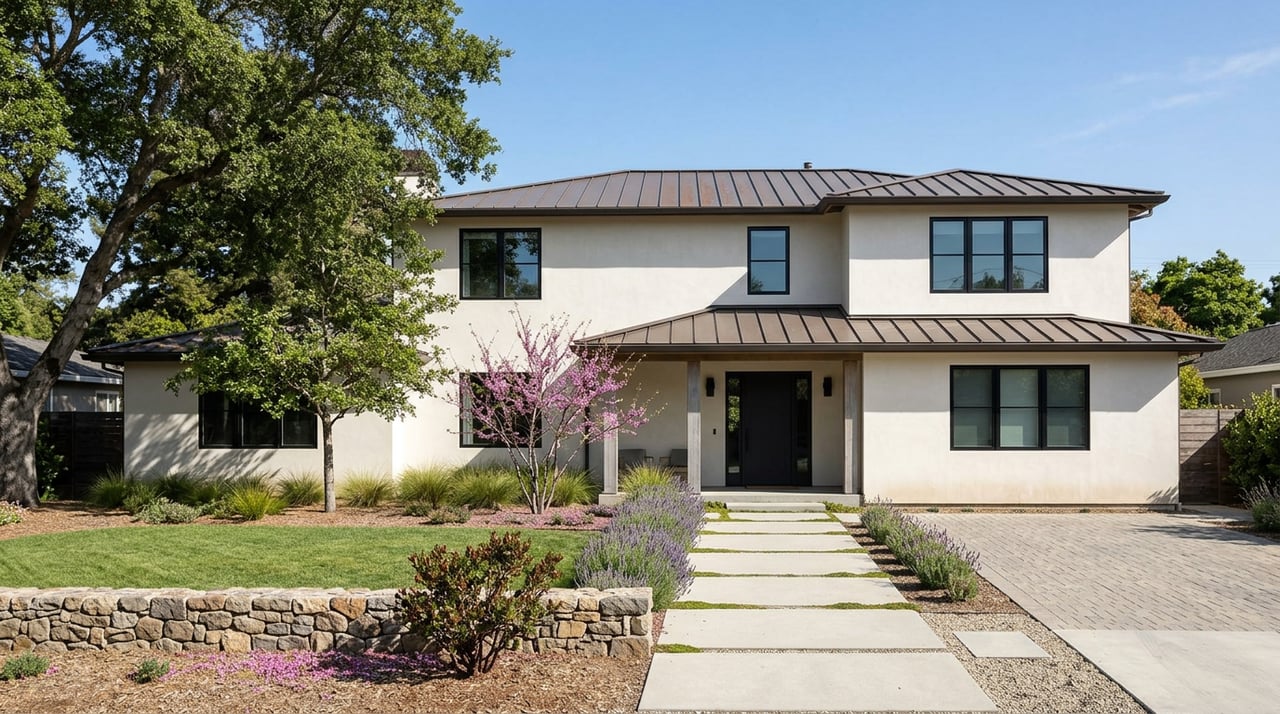
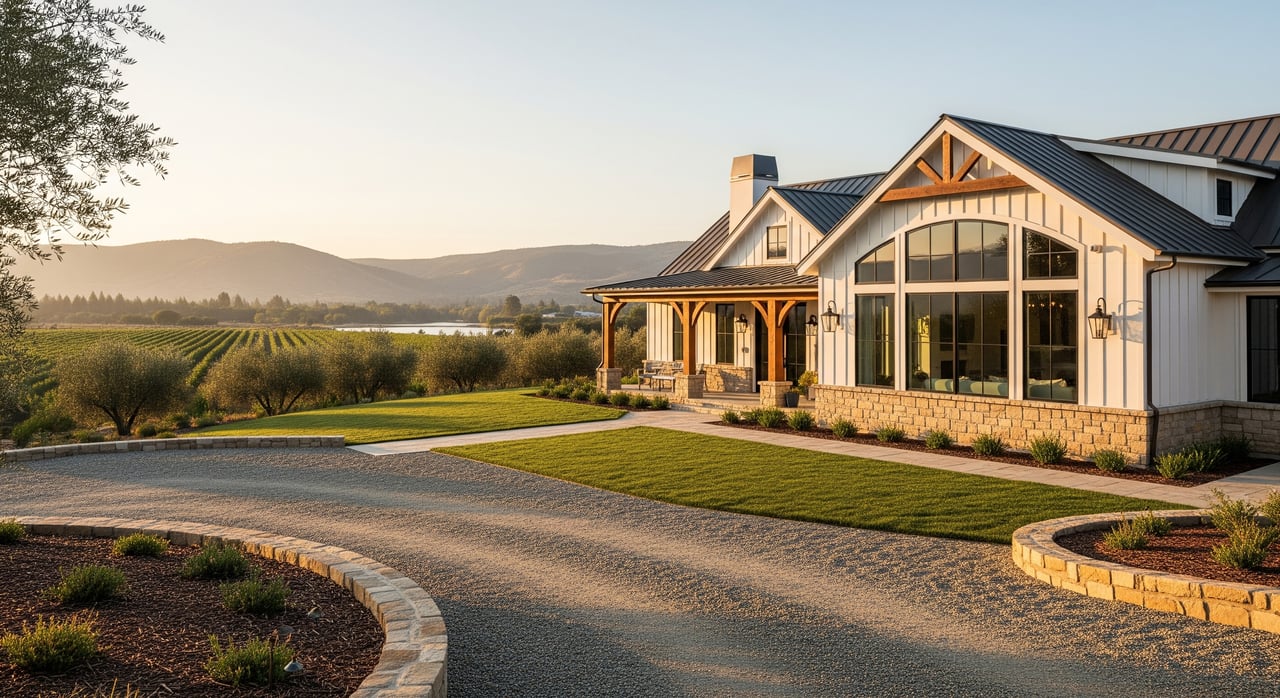
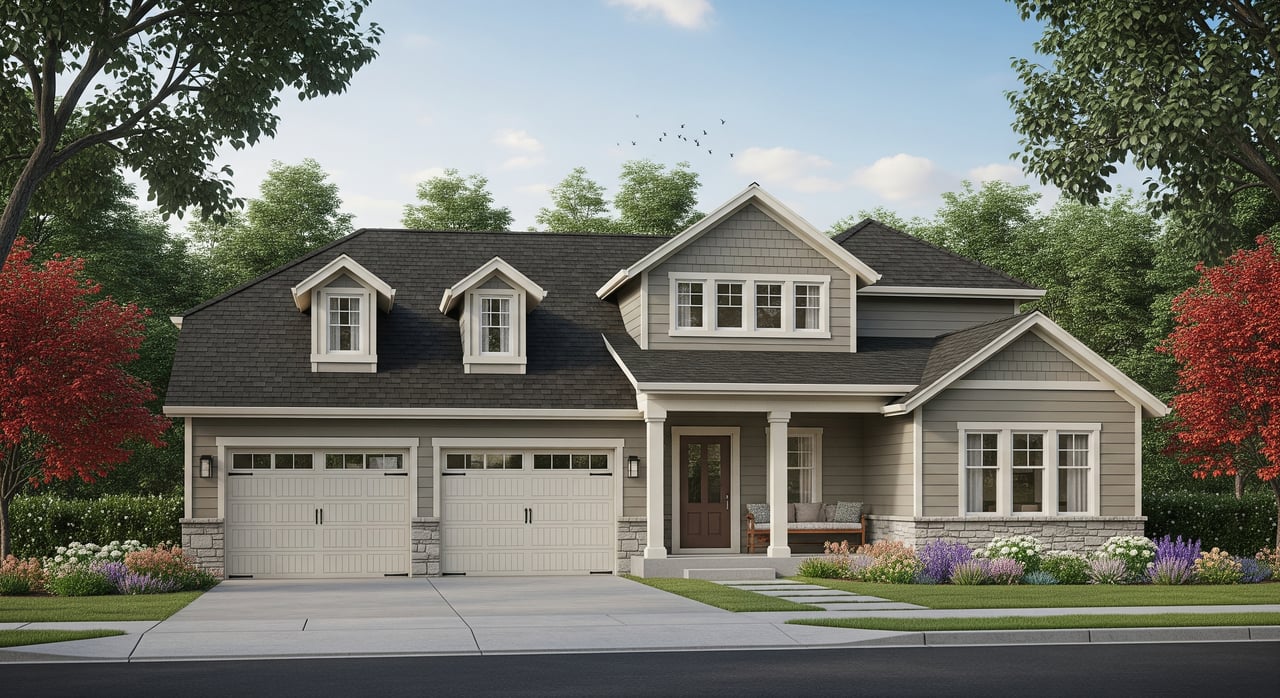
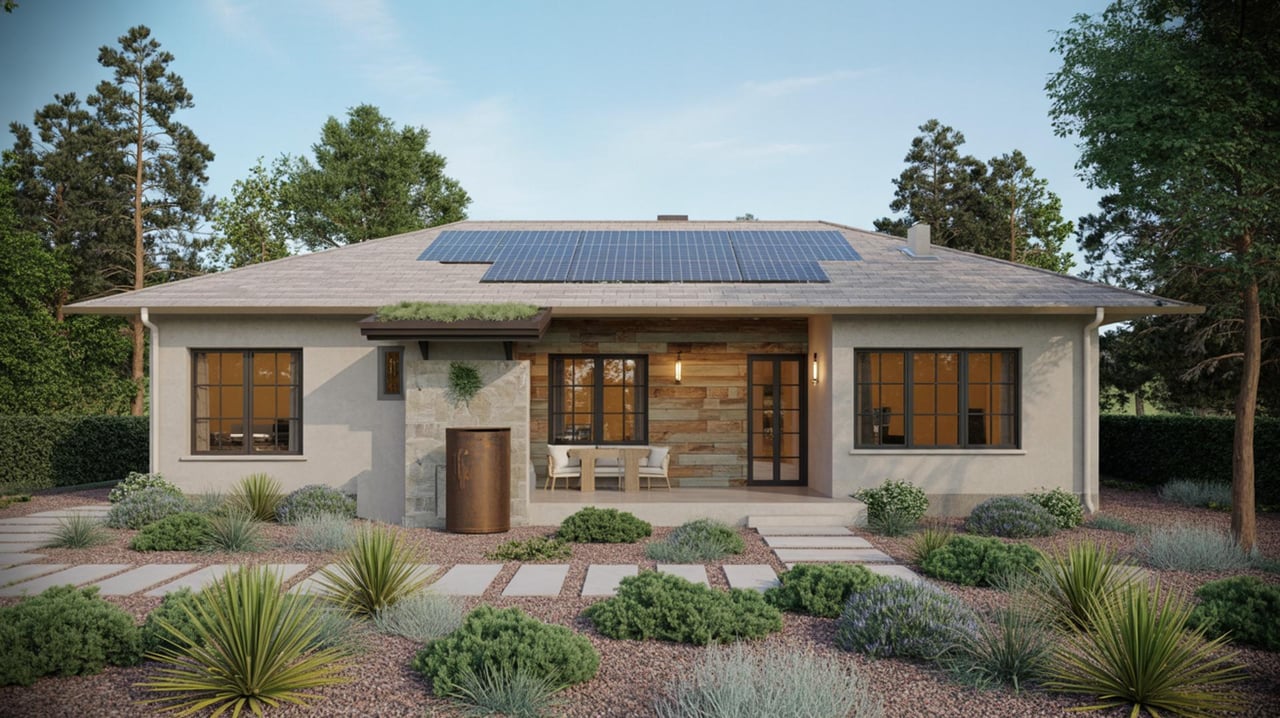
- In practical terms, the same budget can often buy a larger or newer home in Redding, or reduce your monthly housing payment.
Rents
- Redding 1- and 2-bedroom rents typically fall below Bay Area averages, often in the mid $800s to low $1,400s depending on size and condition.
- Bay Area 1-bedroom rents in core cities often exceed $2,000 to $3,000, with suburban markets varying by city.
- If you want to “test drive” Redding before buying, renting first can reduce costs while you learn neighborhoods.
What your salary buys
A Bay Area salary often goes significantly further in Redding. Buyers commonly find they can afford more space, a yard, or a home office while keeping monthly costs manageable. Keep in mind that incomes in Shasta County are lower on average than Bay Area counties, so the price-to-income ratio for local buyers still matters. If you are relocating with a Bay Area income, you may find the price-to-income balance especially favorable.
Beyond the sticker price
Upfront purchase price tells only part of the story. Plan for property taxes, insurance, utilities, and maintenance so you get a complete monthly picture.
Property taxes
California’s Prop 13 limits annual increases in assessed value, and the base rate is roughly 1 percent of assessed value plus local assessments. Effective rates vary by parcel, so it is smart to estimate using the specific property’s assessed value. For local details, see the Shasta County Assessor.
Insurance and wildfire
Homeowners insurance costs have risen in many fire-prone parts of California. Some insurers limit new policies in higher hazard areas or add wildfire deductibles. If you are shopping in Redding or nearby communities, get quotes early and review hazard maps. CAL FIRE publishes Fire Hazard Severity Zone information that can help you understand risk. It is also smart to check the FEMA Flood Map Service Center for flood risk.
Utilities and energy
Many households find overall housing-related utilities lower than in the Bay Area, though summer cooling can be a larger seasonal expense due to hotter weather. Energy efficiency, shade, and solar options can offset costs. Ask sellers for recent utility histories when available.
Commute, travel, and remote work
Driving and flying
Redding sits about 200 to 250 miles north of Bay Area job centers. The drive typically runs 3.5 to 5 or more hours one way, depending on destination and traffic, which makes daily commuting unrealistic. Occasional in-person work is possible. Some residents do block trips, fly when schedules allow, or rely on fully remote roles. Redding Municipal Airport offers limited commercial service, and many travelers use Sacramento International for wider options.
Broadband and workspace
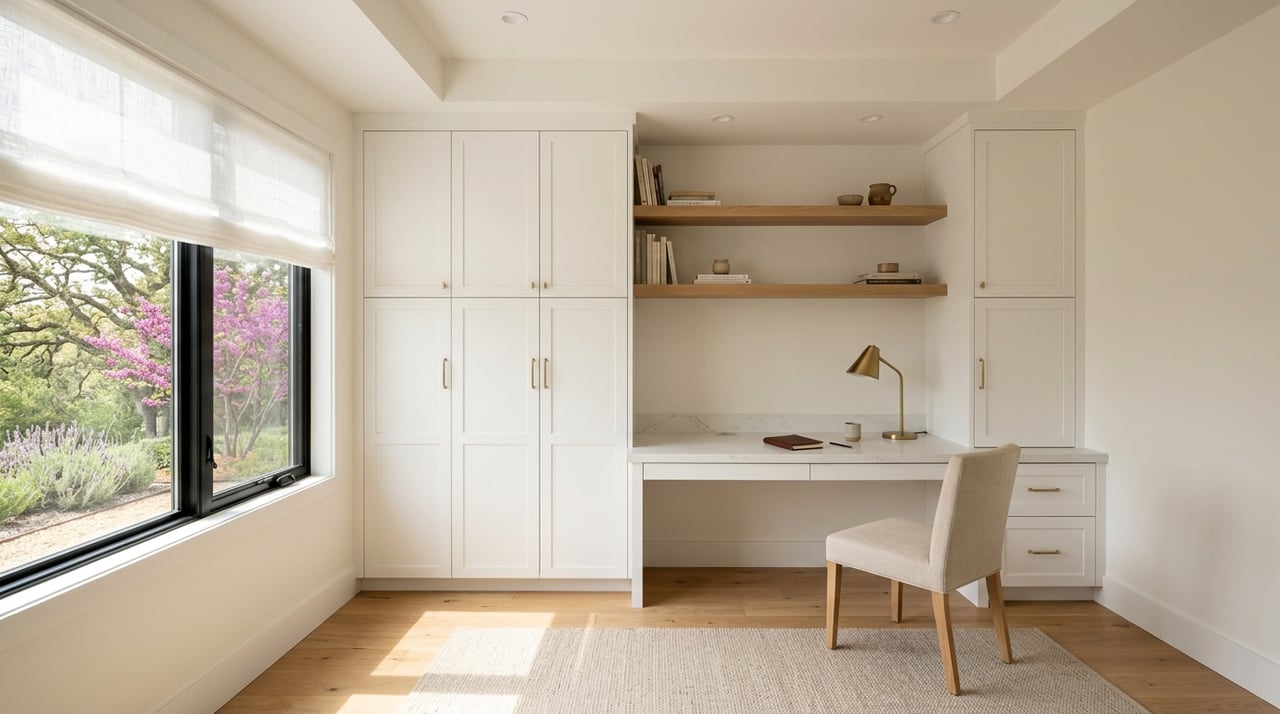
For remote work, verify upload and download speeds at the specific address. FCC maps can overstate coverage, so test speeds and contact local providers before you sign a lease or open escrow. Start with the FCC Broadband Map to check providers by address. Redding has a smaller selection of co-working options than major metros, and public libraries can be a helpful backup. Also consider cell coverage and backup power options if you rely on video calls.
Lifestyle tradeoffs and amenities
Climate and environment
Redding has a Mediterranean interior climate with hot, dry summers and mild winters. Summer highs often exceed typical Bay Area temperatures, and wildfire smoke can affect air quality in season. Review CAL FIRE’s hazard maps and planning guidance and track local emergency resources.
Healthcare and services
Redding functions as a regional healthcare hub for far Northern California, with hospitals and specialists serving the area. For some highly specialized care, you may need to travel to larger metros. Plan your routes and timing for regular appointments, and consider proximity to your preferred providers when choosing a neighborhood.
Schools
School performance varies by district and campus. Use neutral, data-focused sources like the California Department of Education and GreatSchools to compare programs, graduation rates, and enrollment. Visit campuses, review transportation options, and talk with administrators to understand fit.
Taxes and overall cost of living
You will pay the same California state income tax whether you live in Redding or the Bay Area. Local sales taxes and parcel assessments vary by city and county. Broader cost-of-living measures, such as the Bureau of Economic Analysis Regional Price Parities, typically show lower overall living costs in places like Redding compared with Bay Area metros. Housing remains the biggest driver of the gap.
Neighborhood starting points in and around Redding
Each area offers different housing stock, access to services, and risk profiles. Use this short list as a starting point for your research.
- Downtown Redding: Mix of older homes and walkable conveniences near services and events.
- Cypress corridor: Established neighborhoods with access to shopping and main roads.
- North Redding: Newer subdivisions in some pockets, convenient access to outdoor recreation.
- Palo Cedro: Semi-rural feel east of Redding with larger lots in many areas.
- Anderson: South of Redding with a range of prices and easy I‑5 access.
- Shasta Lake: Town north of Redding, proximity to lake recreation and trails.
- Ball’s Ferry corridor: Rural and semi-rural properties with varying acreage and river access in places.
Evaluate commute times to your must-haves, check broadband availability at specific addresses, and review wildfire and flood risk for each area.
Your decision checklist
- Compare real numbers. List your Bay Area take-home pay, target Redding budget, down payment, and run mortgage scenarios. Include taxes, insurance, and HOA if applicable.
- Check price-to-income. For context, calculate median home price divided by your household income.
- Rent or buy first. Compare a Redding rental plus occasional travel against your current Bay Area housing costs.
- Verify internet and cell service. Use the FCC Broadband Map, then do on-site speed tests.
- Get insurance quotes early. Ask carriers about wildfire coverage, deductibles, and any restrictions. Review CAL FIRE hazard zones and the FEMA flood maps.
- Map healthcare and schools. Note travel times to hospitals, clinics, and schools that fit your needs. Use the California Department of Education and GreatSchools for data.
- Visit and stay. Spend time in several neighborhoods during weekdays and weekends to see traffic patterns, noise, and conveniences.
- Shortlist neighborhoods. Compare housing types, lot sizes, internet options, and risk exposure for each area of interest.
- Plan logistics. Estimate moving costs, car expenses for occasional Bay Area trips, and any storage or secondary housing you might need.
- Meet local pros. Connect with a Shasta County agent, a California-licensed lender, and an insurance broker familiar with wildfire coverage.
How a local advisor helps
A move is more than a price comparison. You want clarity on neighborhoods, property condition, insurance, broadband, and resale potential. A seasoned local broker can streamline that process, preview properties with your criteria, and negotiate with confidence in a market that moves at a different pace than the Bay Area. If you are planning a sale, premium marketing and broad syndication help capture out-of-area demand and protect your price.
If you are curious about next steps, reach out to Monet Templeton for local guidance. With deep Northern California roots and modern marketing reach, Monet provides patient, high-touch buyer representation and full-service listing strategy. Book an appointment or request a home valuation.
FAQs
How much farther will my Bay Area salary go in Redding?
- Redding median home prices are often about one third to one quarter of the priciest Bay Area counties, and rents are substantially lower, so a Bay Area income typically buys more space and lowers monthly costs; check current trends on Zillow Research and the Redfin Data Center.
Can I commute from Redding to the Bay Area for work?
- Daily commuting is impractical given the 3.5 to 5 or more hour one-way drive, so most people rely on remote roles, occasional block trips, or flights when needed.
What are the wildfire and insurance considerations in Redding?
- Insurance premiums and availability can vary by hazard level, so get quotes early and review CAL FIRE’s Fire Hazard Severity Zones along with the FEMA Flood Map Service Center.
Which Redding-area neighborhoods should I consider as a remote worker?
- Shortlist areas like Downtown Redding, North Redding, Palo Cedro, Anderson, Shasta Lake, and the Ball’s Ferry corridor, then verify broadband at specific addresses using the FCC Broadband Map.
What is the resale outlook if I buy in Redding?
- Resale depends on local demand drivers such as in-migration, retirees, healthcare and education employment, and climate risk, with price trends available through Zillow Research and the Redfin Data Center.