Want to cut your monthly housing cost in Redding while building long‑term wealth? House hacking can help you live for less, learn the basics of landlording, and position yourself for your next property. If you’re a first‑time buyer or value‑minded investor, you have several practical ways to do this in Shasta County. In this guide, you’ll learn the core strategies that work locally, what rules to check, financing paths, simple cashflow math, and a step‑by‑step plan to get started. Let’s dive in.
What house hacking means
House hacking is when you live in a property and rent part of it to offset your payment. You can do this by owning a duplex and renting the second unit, renting bedrooms in your home, or adding an accessory dwelling unit (ADU) and renting it out. Your goal is simple: lower your cost of living while building equity.
Best Redding strategies
Duplex, triplex, or four‑plex
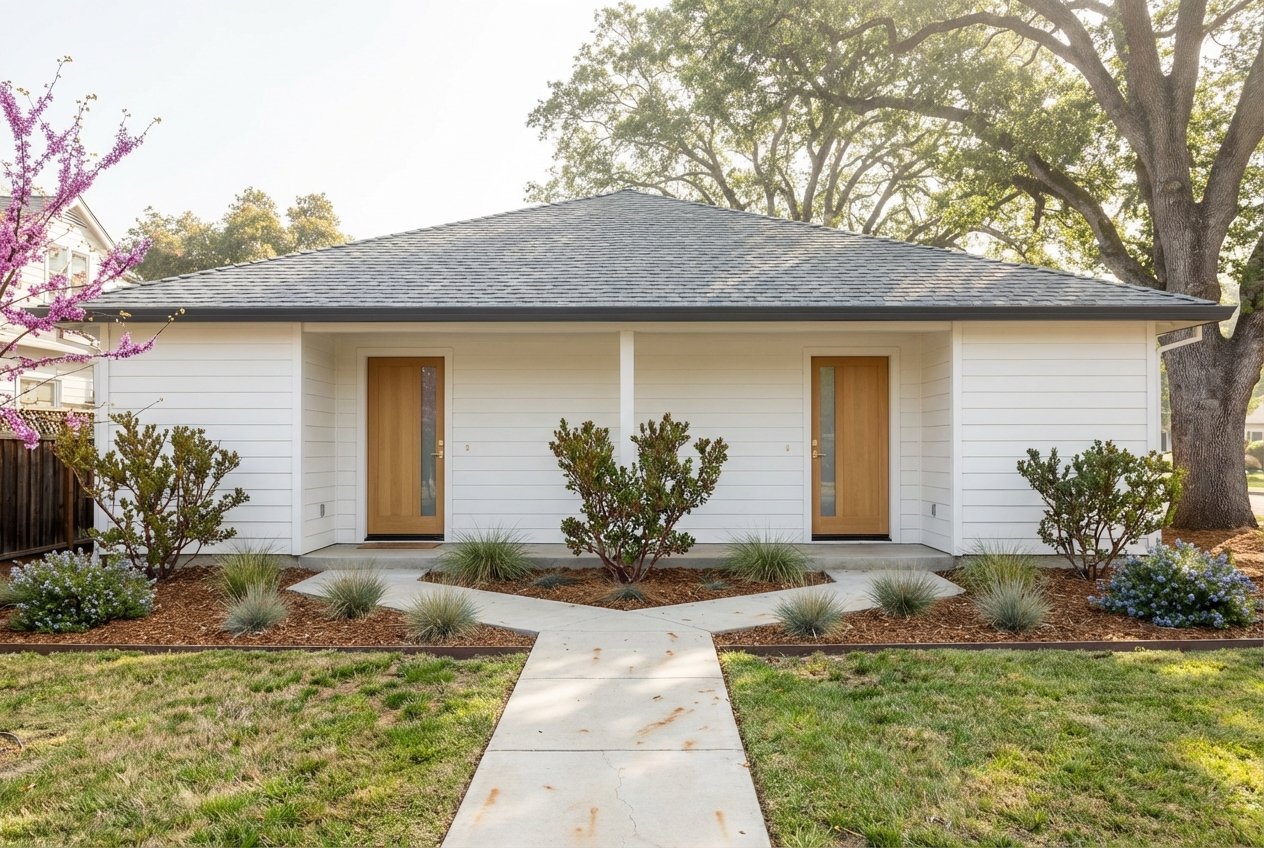
Buying a small multi‑unit near central Redding can let you live in one unit and rent the others. Properties with separate meters and entrances are easier to manage and to allocate utilities. You can use owner‑occupant financing on 2–4 units, which often means lower down payments than typical investment loans.
Pros:
- Rental income offsets your payment.
- Separate units simplify management.
- Eligible for common owner‑occupant loan programs.
Considerations:
- Lenders may require cash reserves for multi‑units.
- Shared utilities make billing more complex.
- Fewer listings than single‑family homes, so search can take time.
Roommate or house‑share model
If a multi‑unit is out of reach, buy a single‑family home and rent out bedrooms. This often produces more rent per square foot than renting the entire home. You live on site, set house rules, and use written roommate agreements.
Pros:
- Lower purchase price than multi‑units.
- Flexible. You can adjust room counts and lease terms.
Considerations:
- More turnover and hands‑on management.
- Privacy and wear‑and‑tear concerns.
- Check HOA rules and local codes before you start.
Build or convert an ADU
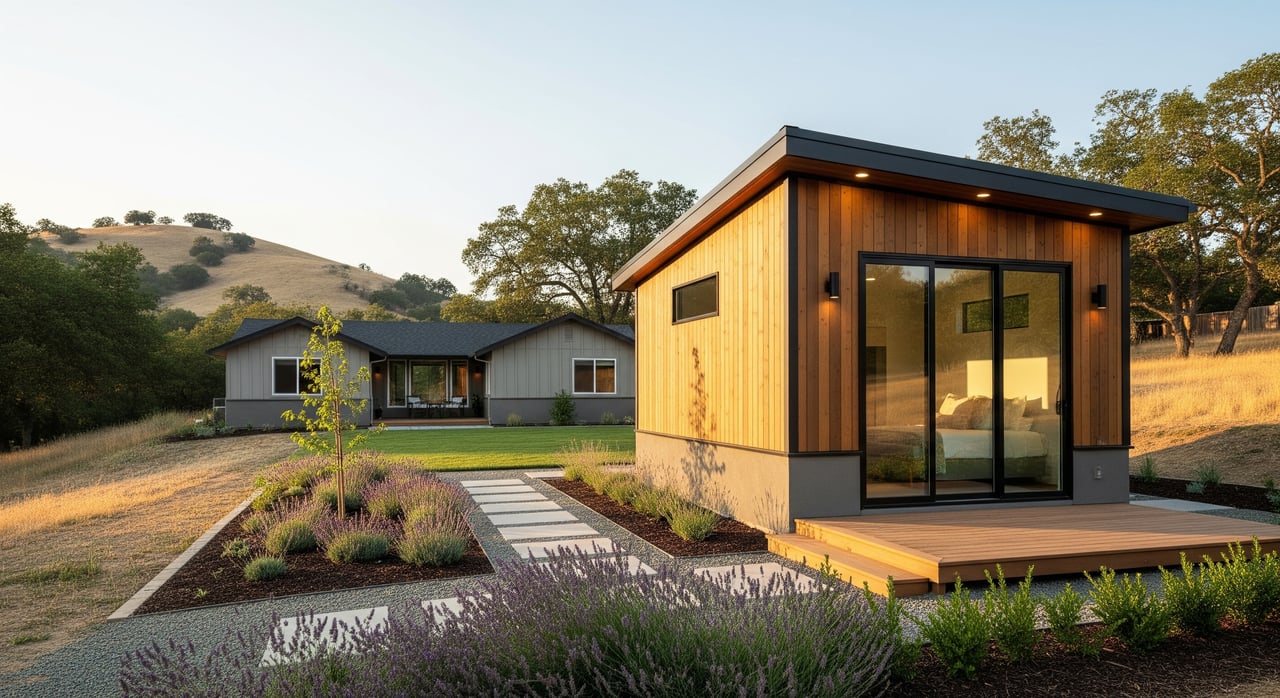
California has streamlined ADUs statewide, making them a strong option for owner‑occupants. You can build a detached unit, convert a garage, add an attached unit, or create a junior ADU inside the home. For state‑level guidance on what local governments must allow, review the California Department of Housing and Community Development’s Accessory Dwelling Unit resources.
Pros:
- Adds a self‑contained rental that can command strong rent per square foot.
- Supports long‑term property value.
Considerations:
- Upfront construction and permitting costs.
- Objective local standards apply to setbacks, parking, and utilities.
- Some HOAs impose reasonable restrictions.
Hybrid ideas
If you are handy, consider a live‑in renovation plan where you improve the home and add rentable space over time. Some owners also rent a room or ADU as a short‑term rental if local rules allow it. Always check current short‑term rental rules with the city or county before you rely on that income.
Redding rules to check
State law favors ADUs, and statewide tenant protections apply across California. Local details still matter. Before you buy or build, confirm the following:
- ADU feasibility: required setbacks, maximum size, parking, and utility rules.
- Whether any owner‑occupancy requirements apply for your plan.
- Permit fees and timelines for ADUs or conversions.
- Short‑term rental rules for your zone.
- Whether a property is a legal multi‑unit or an unpermitted conversion.
Where to start:
- City of Redding Community Development (inside city limits).
- Shasta County Planning & Building (unincorporated areas).
- Shasta County Assessor for property tax and reassessment questions.
- State ADU guidance from California HCD.
For rent benchmarks as you underwrite a deal, you can review HUD’s Fair Market Rents for Shasta County via HUD FMR and pair that with your own rent comps.
Financing paths that work
FHA loans (2–4 units allowed)
FHA loans are popular with house hackers. You can buy a duplex, triplex, or four‑plex as an owner‑occupant with a low down payment if you qualify. Expect mortgage insurance. Lenders may count a portion of market rent from other units to help you qualify. Policies vary, so ask how they treat projected rent.
Conventional loans
You can use conventional financing for 2–4 unit owner‑occupied purchases. Down payment and reserve requirements are often higher than for a single‑family home. Underwriting for rental income can be more conservative.
VA loans (for eligible veterans)
VA financing allows eligible buyers to purchase 2–4 units as an owner‑occupant, often with no down payment. The property must meet VA appraisal and occupancy standards.
Renovation loans
If you plan to add an ADU or complete significant repairs, ask about FHA 203(k) or conventional renovation products. These can finance purchase and improvements in a single loan, though they come with extra documentation and contractor requirements.
Local banks and credit unions
Some community lenders offer portfolio loans with more flexibility for unique properties or mixed income scenarios. Terms and underwriting vary.
What to ask lenders:
- Will you count projected rent, and how much?
- How many months of reserves are required for 2–4 units?
- What are current mortgage insurance costs?
- Can I use a renovation loan for an ADU or conversion?
Taxes and insurance basics
Rental income is taxable. You can usually deduct expenses tied to the rented portion, including mortgage interest, property taxes, repairs, utilities you pay, management fees, and insurance. For federal rules on depreciation, see the IRS guide to residential rentals, Publication 527. Residential rental property is typically depreciated over 27.5 years. When you sell, there are allocation rules if you lived in part of the property and rented part. A tax professional can help you plan.
Insurance matters too. Once you rent rooms or a unit, you may need a landlord policy instead of a standard homeowner policy. Ask about a dwelling (DP3) policy and consider an umbrella policy for extra liability protection. If you build an ADU, you may need builder’s risk during construction and a policy update when it is occupied.
Hypothetical examples
These illustrations show the method. They are not current Redding prices. Always check today’s numbers.
Example 1: Single‑family with roommates
Assumptions (hypothetical):
- Purchase price: $350,000
- Down payment: 20% ($70,000)
- Loan: $280,000 at 5.0% for 30 years
- Monthly principal and interest: about $1,502
- Property tax estimate: about $320 per month
- Insurance: about $100 per month
- Total monthly housing cost: about $1,922
- Rents: two bedrooms at $800 each = $1,600 per month
Outcome:
- Estimated out‑of‑pocket: $1,922 minus $1,600 = $322 per month before utilities, maintenance, vacancy, and management.
- Notes: higher rent per square foot than renting the whole house; more hands‑on management.
Example 2: Duplex with owner occupancy (FHA style)
Assumptions (hypothetical):
- Purchase price: $400,000
- Down payment: 3.5% ($14,000)
- Loan: $386,000 at 5.0% for 30 years
- Monthly principal and interest: about $2,071
- Taxes and insurance: about $450 per month
- Total monthly housing cost: about $2,521
- Rent from second unit: $1,600 per month
Outcome:
- Estimated out‑of‑pocket: $2,521 minus $1,600 = $921 per month before vacancy, maintenance, mortgage insurance, and utilities.
- Notes: low down payment, but mortgage insurance increases cost.
Example 3: Add an ADU to your home
Assumptions (hypothetical):
- ADU build cost: $120,000
- Financing: cash, HELOC, or renovation loan
- Expected rent: $1,200 per month
What to model:
- Permit and utility fees.
- Timeline from design through construction.
- Vacancy allowance (8–10%), maintenance (5–10% of rent), and management if you hire it.
How to compute basics:
- Monthly net cashflow = gross rent minus vacancy minus operating costs minus debt service.
- Cash‑on‑cash return = annual net cashflow divided by your cash invested.
- Debt coverage ratio = net operating income divided by debt service. Over 1.0 means the rent covers the loan payment.
Due diligence checklist
Market checks:
- Pull current median home prices and rent comps for your target neighborhoods.
- Review HUD’s Shasta County rent benchmarks via HUD FMR.
- Look at renter versus owner share using the U.S. Census ACS for context.
Property checks:
- Confirm zoning and permitted use with the city or county.
- Verify separate meters, safe egress, parking, and access.
- Inspect for roof, foundation, plumbing, electrical, and any deferred maintenance.
- Make sure any multi‑unit layout is legally permitted.
Finance and underwriting:
- Get pre‑approved and ask how projected rents affect your qualification.
- Confirm reserve requirements and mortgage insurance impacts.
- If you plan an ADU or upgrades, get written contractor bids and discuss a renovation loan option.
Legal and insurance:
- Review HOA rules and CC&Rs for rental restrictions.
- Talk to your insurance agent about landlord and umbrella coverage.
- Understand California notices, habitability, and disclosure requirements.
Operations:
- Decide on self‑management or a property manager.
- Set written screening criteria and lease templates.
- Plan for deposits, move‑in checklists, and periodic inspections.
Risks and rewards
Benefits:
- Reduce or even eliminate your housing cost.
- Build equity faster with a tenant helping pay the mortgage.
- Learn property operations on a small, manageable scale.
Risks:
- Vacancy and rent dips can hurt cashflow.
- Tenant issues, repairs, and wear and tear.
- Permit delays, cost overruns, and changing rules.
- Financing complexity for 2–4 units or renovations.
Plan for these risks with conservative numbers and a solid cash reserve.
Getting started in Redding
- Clarify your model. Duplex, roommates, or ADU? Choose the path that fits your budget and timeline.
- Run the numbers. Use conservative rents and include vacancy, maintenance, and insurance. HUD’s Fair Market Rents are a helpful reference point.
- Get pre‑approved. Ask lenders how they treat projected rent and what reserves you will need.
- Tour properties. Focus on legal multi‑units or single‑family homes with ADU potential. Look for separate entries and safe layouts.
- Verify permits. Speak with the city or county early about ADU standards, parking, and utilities. Review state‑level ADU rules via California HCD.
- Set your operations. Decide on lease templates, screening, and basic house rules if renting rooms.
Ready to map a plan and see live opportunities? Connect with Monet Templeton for local guidance, a tailored search, and introductions to trusted lenders and contractors.
FAQs
Can I buy a duplex in Redding with 3.5% down?
- FHA allows owner‑occupants to purchase 2–4 unit properties with a low down payment if you qualify. Lender overlays and property condition standards apply.
Will Redding let me build an ADU on my lot?
- California law supports ADUs statewide, but local objective standards govern size, setbacks, parking, and utilities. Start with city or county staff and review California HCD’s ADU guidance.
Can I rent out rooms in my single‑family home?
- Often yes. Verify zoning, HOA rules, and any short‑term rental limits. Follow California habitability, disclosure, and lease rules.
How should I estimate rent when I apply for a loan?
- Lenders may allow a portion of projected market rent or use signed leases. Policies vary, so ask how your lender handles rent credits and what documentation they need.
What tax benefits should I know about?
- You can usually deduct rental expenses and depreciate the rental portion over 27.5 years. See IRS Publication 527 and consult a tax professional for allocations and sale planning.