Too hot to enjoy your backyard by mid‑afternoon? In Red Bluff, summer highs regularly climb into the 90s, so a patio without smart shade and airflow can feel off limits. You want comfort that also respects local water rules and wildfire safety. This guide gives you a simple, layered plan to keep your outdoor spaces cooler, water‑wise, and compliant in Red Bluff. Let’s dive in.
Start with shade
Trees that do the heavy lifting
Planting the right shade trees is your best long‑term cooling solution. Mature canopies block direct sun, lower surface temperatures, and create comfortable microclimates over patios and windows. Place trees to shade west and south exposures first, and water deeply while roots establish. For guidance on planting benefits and timing, see this practical overview from UC ANR’s experts on why to plant for summer shade (UC ANR).
Keep fire safety in mind as you plant. Follow defensible space and home‑hardening practices such as pruning for vertical and horizontal clearance, and keep low‑fuel zones close to structures. Cal Fire’s home hardening guidance outlines ember‑resistant strategies for yards and attachments (Cal Fire home hardening).
Built shade for instant relief
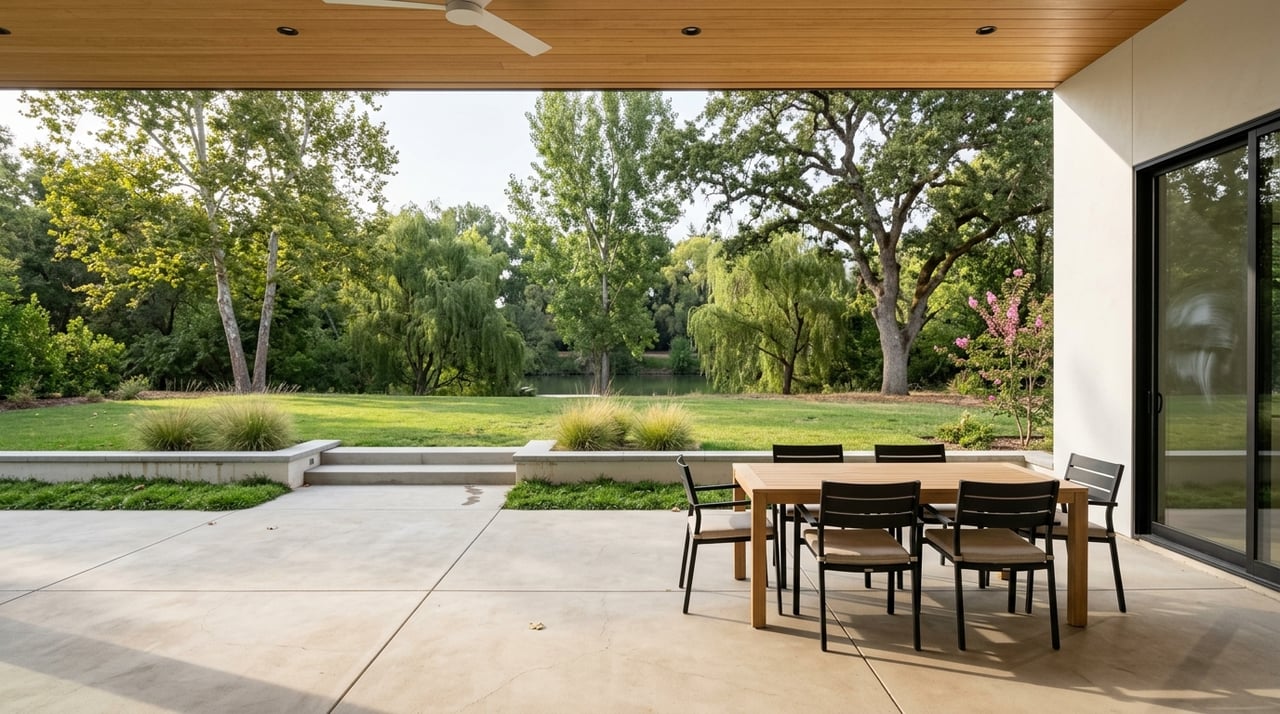
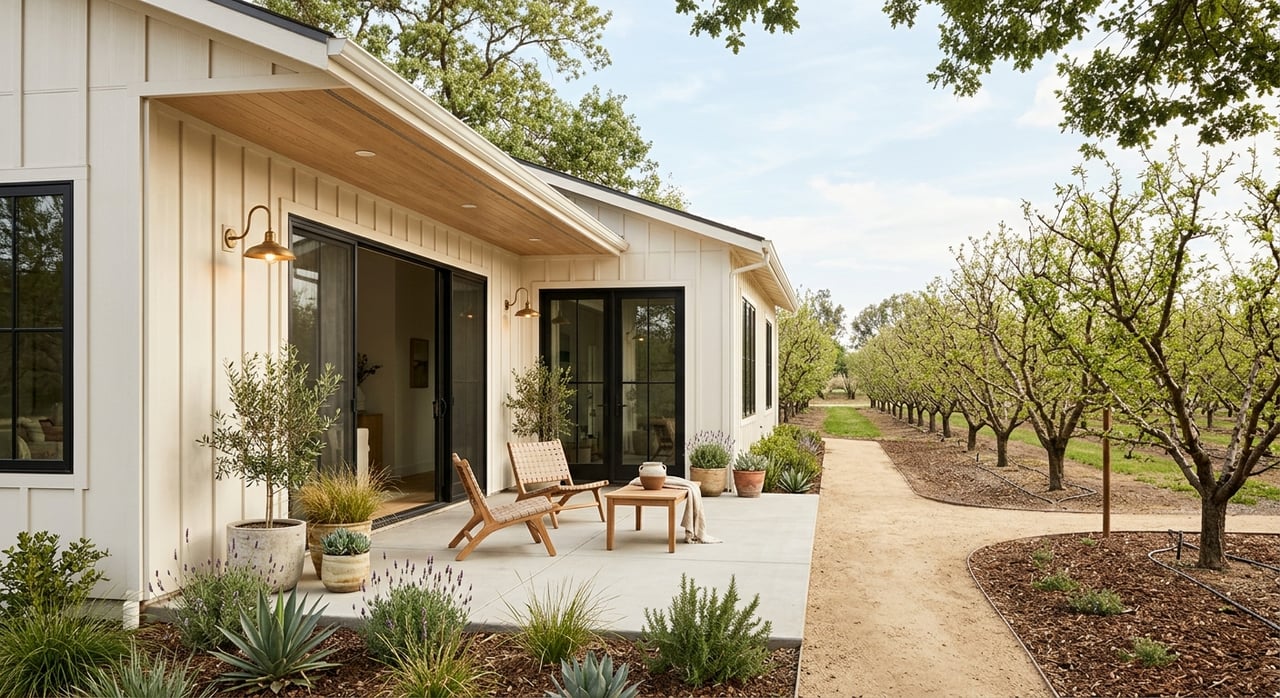
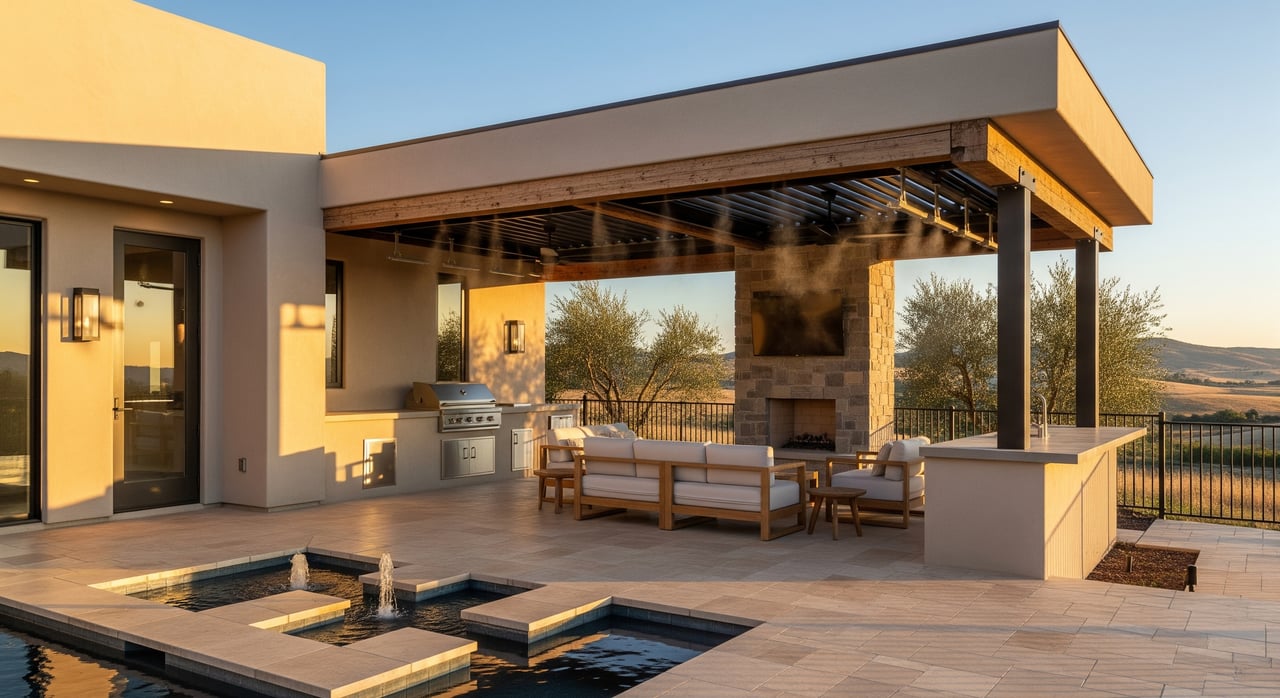
Awnings, pergolas, covered patios, and shade sails deliver comfort right away. Size and orient them to block the strong afternoon sun on west or southwest exposures. If you want winter sun, choose retractable options. For fabric sails, look for published UV‑block or UPF ratings so your shade actually performs in peak heat (shade fabric ratings).
Cool the surfaces
Light, high‑albedo paving and “cool pavement” strategies can lower surface temperatures and reduce radiant heat around seating areas. Pair lighter materials with shade and vegetated edges for the biggest effect. The EPA offers clear guidance on how cool pavements help reduce heat buildup (EPA cool pavements). For decks and furniture, avoid metal seating surfaces that heat up quickly, and favor composites, finished woods, and pale, breathable textiles.
Plant smart and save water
Climate‑ready plants and grouping
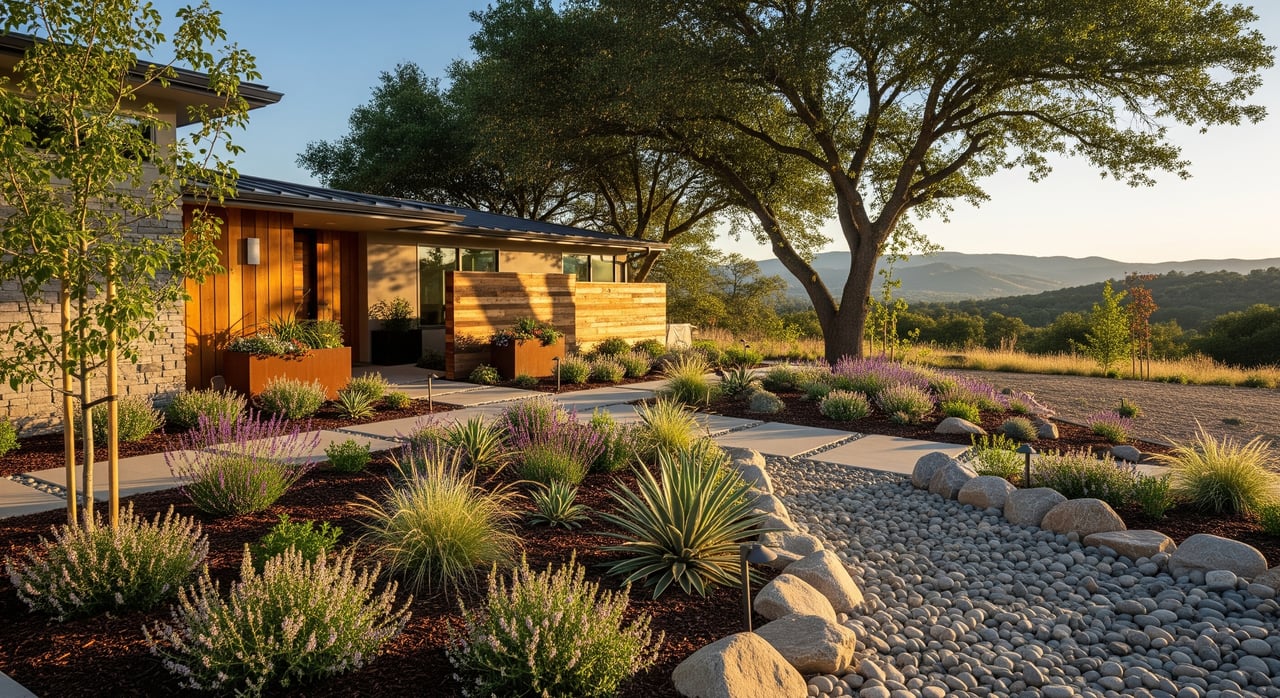
Choose low to moderate water use plants and group by water need so you do not over‑irrigate. California natives and climate‑ready options can provide color and shade with less water once established. The state’s plant water‑use database, built with UC Davis, is a helpful starting point for species selection that fits Red Bluff conditions (WUCOLS overview).
Efficient irrigation, local programs
Use drip irrigation or micro‑emitters with a smart controller that adjusts to weather or soil moisture. This targets the root zone and reduces waste, which is important under local conservation rules. Tehama County’s water resources page offers conservation tips and program links to help you plan your landscape and irrigation upgrades (Tehama County water conservation).
Add airflow and targeted cooling
Fans make shade feel cooler
Ceiling and patio fans move air across your skin, which boosts evaporative cooling and comfort even when the air temperature stays the same. Fans use little energy and pair well with tree or structure shade.
Evaporative options for dry heat
When humidity is low, evaporative coolers and targeted misting can drop perceived temperature in seating zones at relatively low energy cost. Balance the water use and maintenance with your comfort goals, and consider two‑stage or spot‑cooling setups for better efficiency. The U.S. Department of Energy explains when and how evaporative systems work best in dry climates (DOE guide).
Design for wildfire safety
Wildfire safety is part of outdoor comfort in Red Bluff. Create and maintain an ember‑resistant zone from 0 to 5 feet around your home with noncombustible hardscape and minimal combustibles like cushions or firewood. Choose ignition‑resistant materials for decks and attachments, and keep plants well maintained with proper spacing. For a clear checklist of measures that apply to yards, decks, and fences, review Cal Fire’s home hardening recommendations (Cal Fire home hardening).
Permits and local rules
Before you build or attach structures, confirm permit requirements. In the Red Bluff area, Tehama County Building and Safety handles most structural permits, inspections, and code questions for patio covers, pergolas, and decks (Tehama County Building & Safety). The City of Red Bluff can enact staged water restrictions during drought; plan irrigation and plant choices that meet those rules (Red Bluff water conservation code). If your property is in a higher wildfire hazard area, you may face stricter requirements for defensible space, materials, and vegetation management, so verify your parcel’s status and design accordingly.
A simple 1, 3, and 10‑year plan
This season: quick wins
- Add a shade sail or freestanding umbrella over your main seating area, oriented to block afternoon sun.
- Install one or two outdoor fans to move air where you sit.
- Refresh high‑use surfaces with light‑colored rugs or cushions to reduce heat absorption.
- Set mulch and combustibles away from the house to maintain an ember‑resistant zone.
Next 3 to 12 months: lasting comfort
- Plant two to three well‑placed shade trees to cover patios and west or south walls as they mature.
- Upgrade irrigation to drip or micro‑emitters with a smart controller and group plants by water need.
- Resurface or lighten key paving zones, or add permeable pavers with shaded, vegetated edges.
- Confirm local permits for any attached patio covers or larger pergolas.
Three to ten years: long‑term value
- Grow canopy shade to reduce heat and energy use across your outdoor living areas.
- Replace combustible deck elements with ignition‑resistant materials and maintain defensible space.
- Adjust planting palettes over time toward drought‑adapted species to stay resilient through dry cycles.
Thoughtful outdoor design can make Red Bluff summers far more enjoyable while protecting your home and conserving resources. If you are weighing improvements with an eye on resale, or planning a move, connect with a local advisor who understands both comfort and value. For neighborhood context and a smart plan to prep your property, reach out to Monet Templeton.
FAQs
How hot do Red Bluff summers get, and why does it matter for design?
- Red Bluff often registers many days at or above 90 degrees in summer, so you need layered shade and airflow to control radiant and surface heat near seating areas.
Will a pergola or shade sail really make my patio feel cooler?
- Yes. A well‑placed structure that blocks afternoon sun reduces radiant heat on your skin and surfaces, and a high UPF fabric boosts protection. Add fans for even better comfort.
Are evaporative coolers or misting a good idea for a Red Bluff patio?
- In dry conditions they can be effective and energy‑efficient, especially when targeted over seating zones, but they add humidity, use water, and require maintenance.
Do I need a permit to add a patio cover or pergola in the Red Bluff area?
- Often yes. Tehama County Building and Safety can confirm what needs a permit, typical inspections, and any code limits before you build.
How do I keep my yard fire‑smart when adding plants and decks?
- Maintain an ember‑resistant zone close to the house, choose ignition‑resistant materials, prune and space plantings correctly, and keep combustibles like wood piles away from structures.