Moving to Redding and wondering where to live? You have plenty of choices, from downtown bungalows near the Sundial Bridge to larger lots on the east side and lake‑adjacent cabins. Each area offers a different mix of home styles, commute patterns, outdoor access, and everyday conveniences. In this guide, you’ll compare Redding’s core neighborhoods and nearby communities so you can match your lifestyle with the right location. Let’s dive in.
How to read this guide
Redding is best understood by areas: downtown and central neighborhoods, plus north, south, east, and west sides of town. You’ll also find nearby communities like Palo Cedro, Shasta Lake, and Anderson that expand your options. For each area, look at home style, lot types, lifestyle tradeoffs, and the kind of buyer the area tends to fit. Use the quick checklist near the end to confirm details for a specific address.
Downtown and Central Redding
Home styles and lots
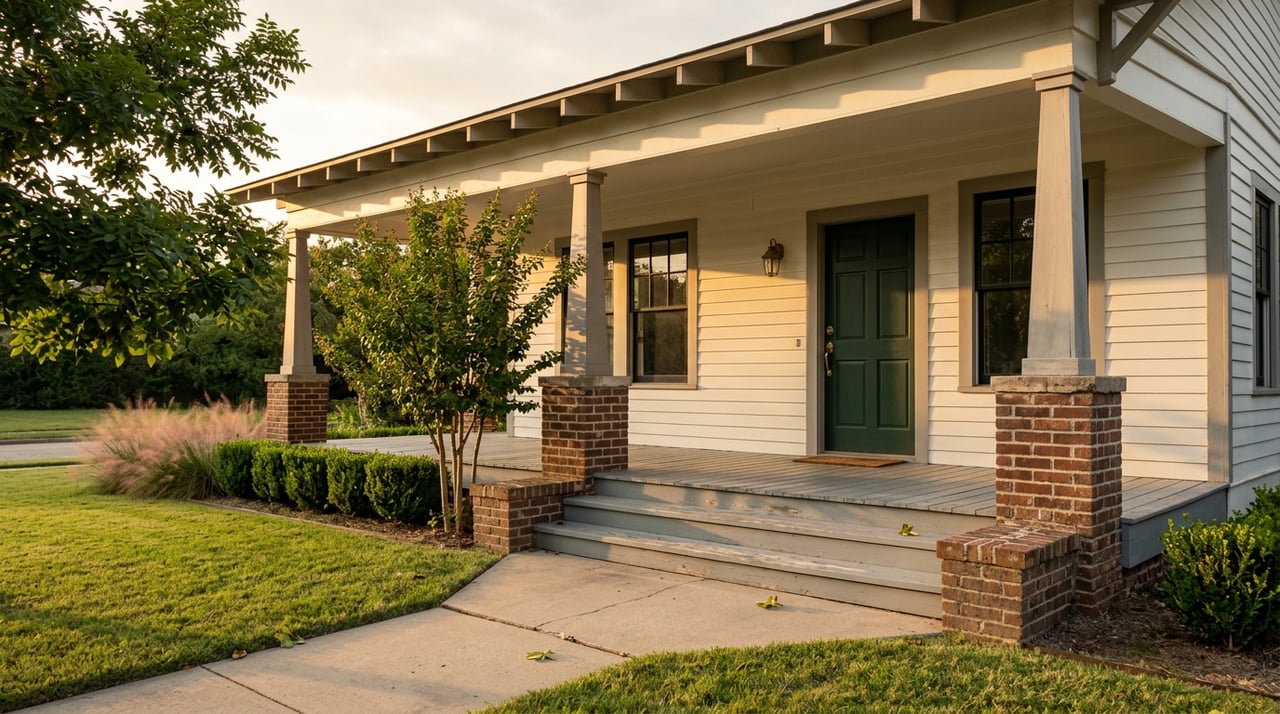
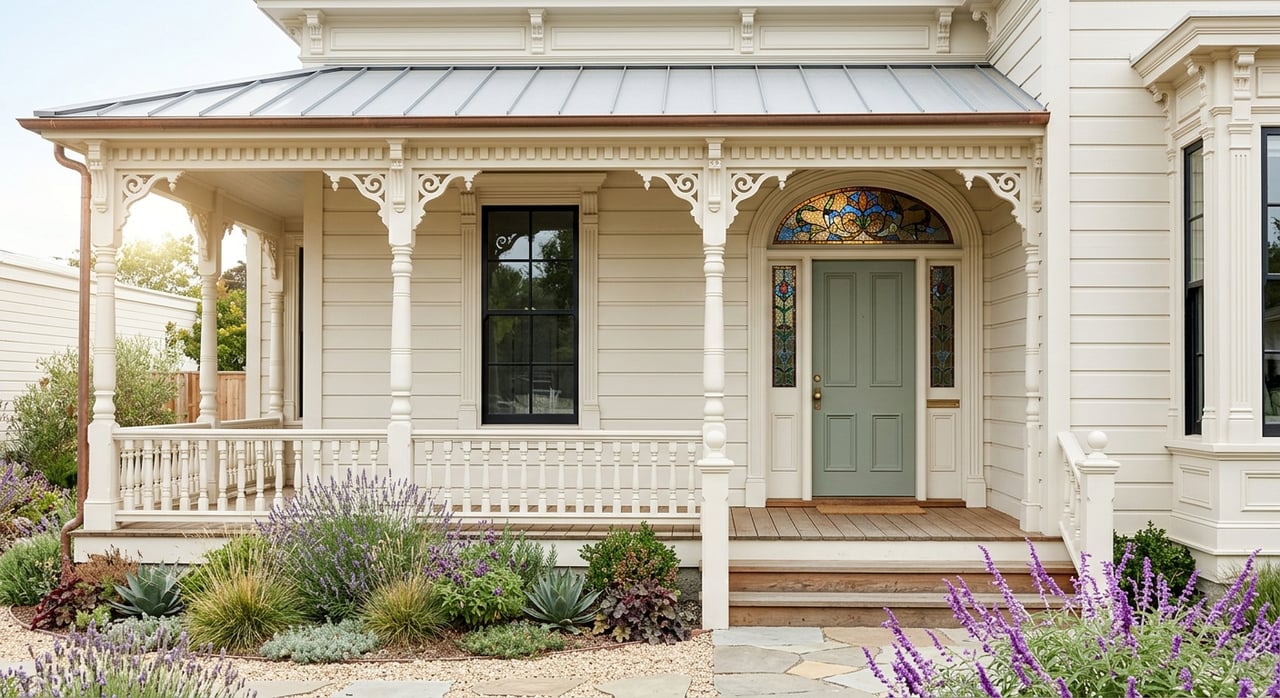
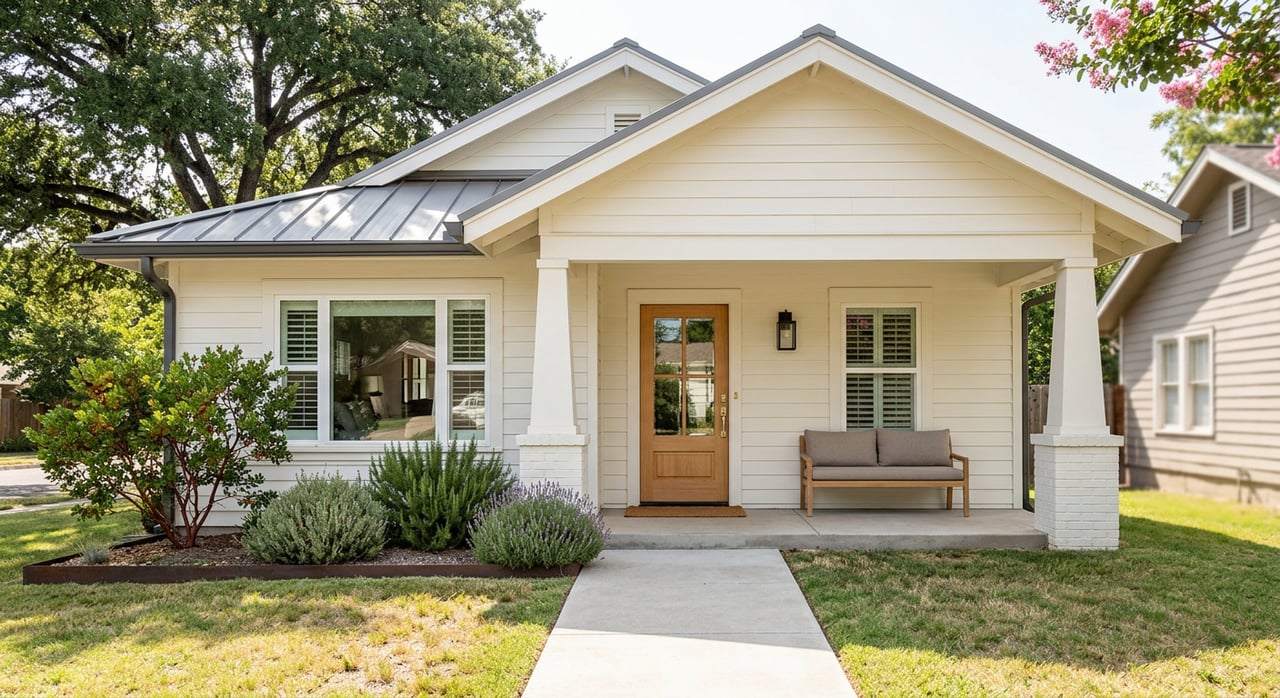
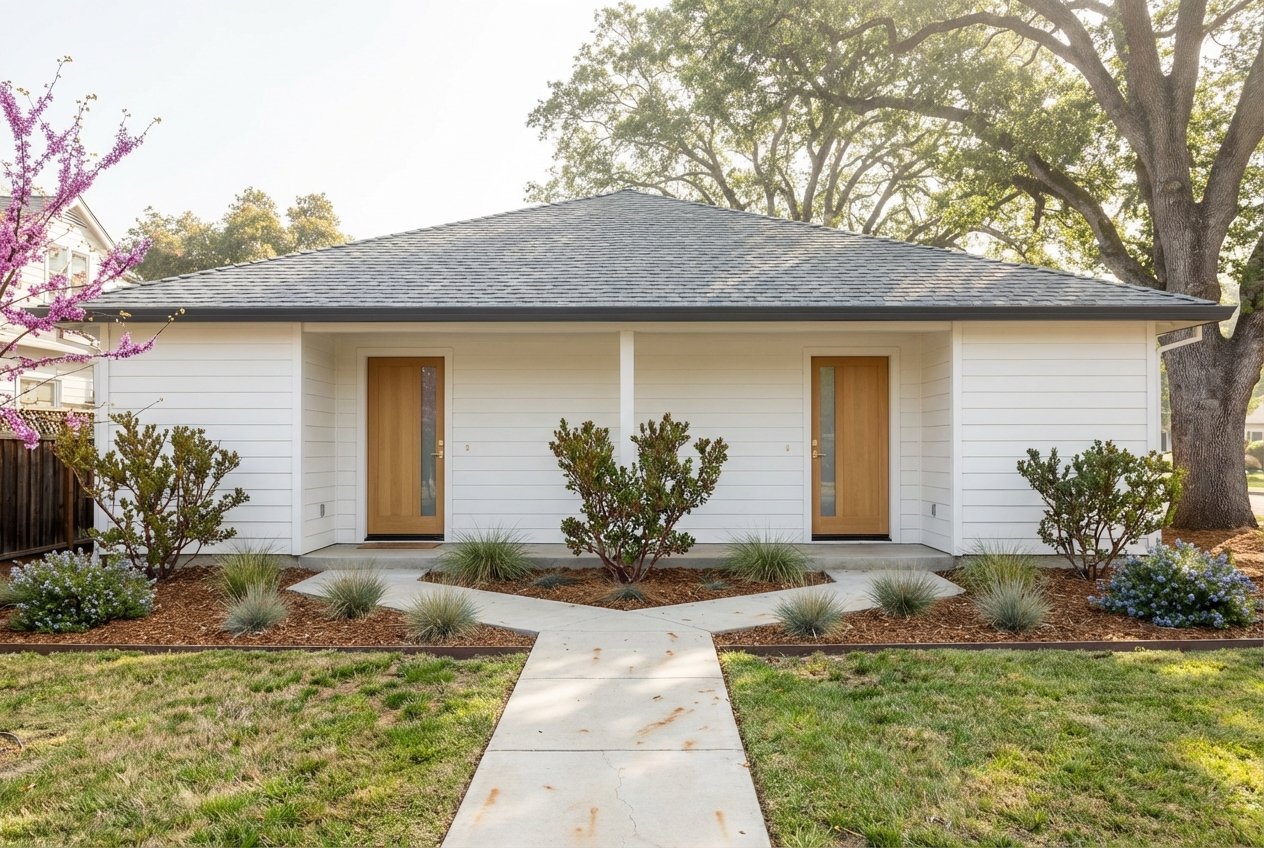
You’ll see older single‑family homes from the early to mid‑20th century, along with some small condo and townhome conversions near the river. Lots are smaller but have character, including some historic bungalows. Newer infill projects appear in select pockets.
Lifestyle and tradeoffs
Central locations place you close to downtown retail, restaurants, and cultural spots like the Turtle Bay Exploration Park and Sundial Bridge. Walkability and riverfront access are the draw. In return, you accept smaller yards, varied home condition, and a more urban feel than outlying neighborhoods.
Good fit for
Buyers who want short drives to downtown jobs, culture, and the river. You should be comfortable with older homes or urban infill living.
South Redding
Home styles and lots
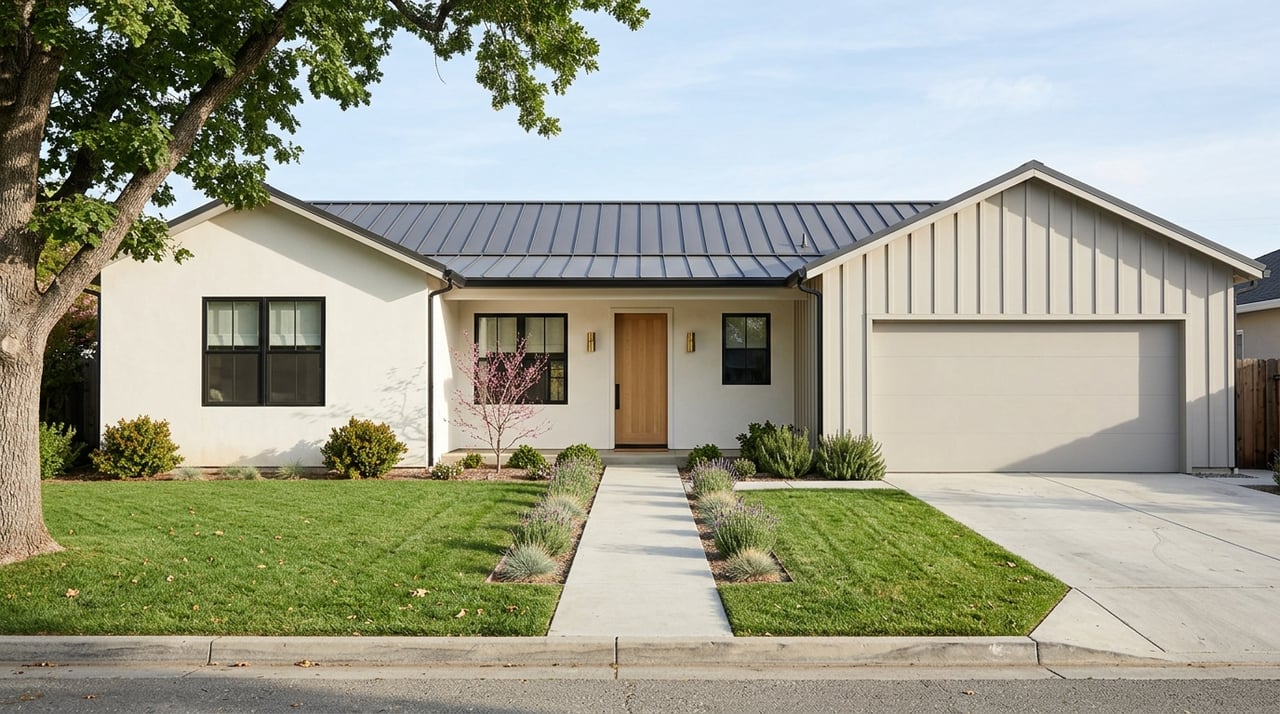
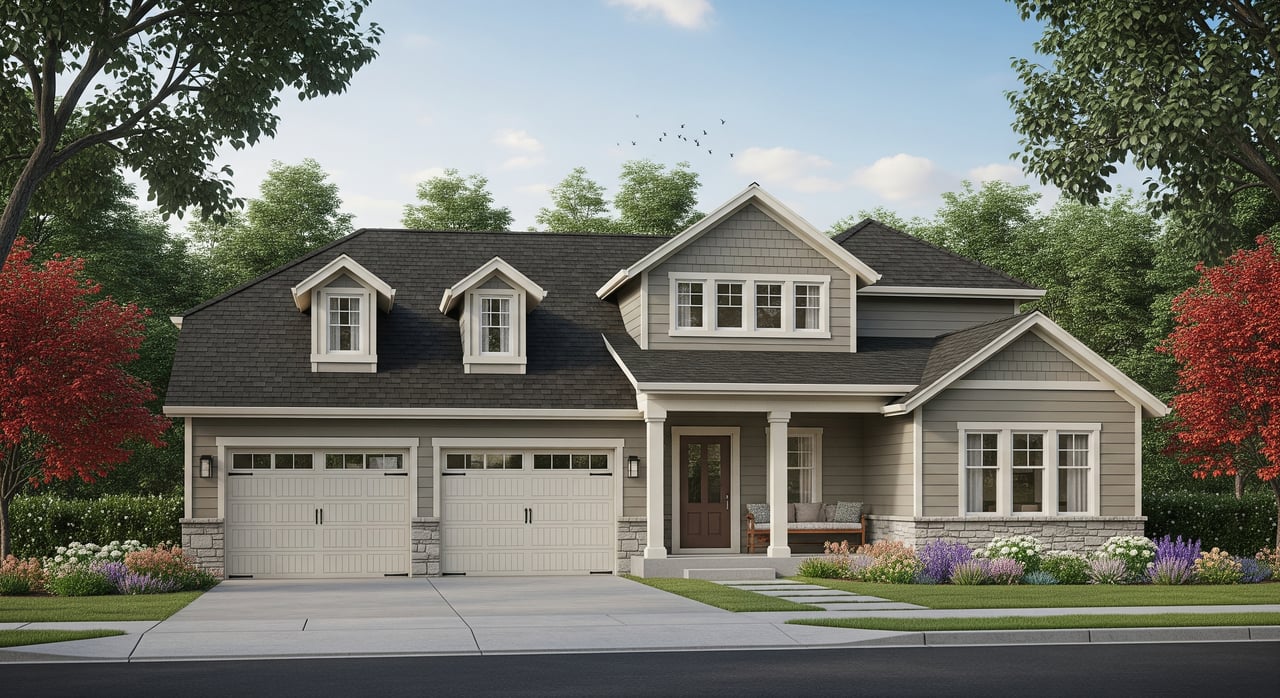
South Redding offers many suburban ranch and tract homes from the 1970s through the 2000s, plus newer infill subdivisions on former orchards and ranch land. Lots are medium‑sized suburban parcels, with some larger‑lot developments near the edges.
Lifestyle and tradeoffs
You get convenience to shopping centers, schools, and healthcare providers. Most errands are easy. The tradeoff is fewer river or mountain views and a mix of home ages and styles from different decades.
Good fit for
Buyers seeking an established suburban setting with close access to daily needs and schools.
West Redding and hillier areas
Home styles and lots
West of downtown, you’ll find a mix of mid‑century and newer homes. Properties often sit on hilly terrain, with some lots offering views across the valley. Lots range from smaller suburban parcels to larger, wooded sites closer to the slopes.
Lifestyle and tradeoffs
This area gives you quick access to westside trails and the Whiskeytown corridor for boating, swimming, and hiking. The terrain can be steep, and wildfire exposure is typically higher on wooded slopes compared with denser, irrigated parts of the city.
Good fit for
Outdoor enthusiasts who want proximity to trail systems and recreation while staying close to city services.
North Redding
Home styles and lots
North of downtown, you’ll see older established neighborhoods plus some newer subdivisions. There are also light industrial pockets near the airport corridor. Lots are mostly medium suburban parcels, with some rural properties farther north.
Lifestyle and tradeoffs
You are positioned near Shasta College, the regional airport, and employment nodes on the north side. It balances convenience and mid‑range housing choices without the central city bustle.
Good fit for
Buyers who work near the north side or want balanced access to schools, the airport, and suburban amenities.
East Redding, Palo Cedro, and Millville
Home styles and lots
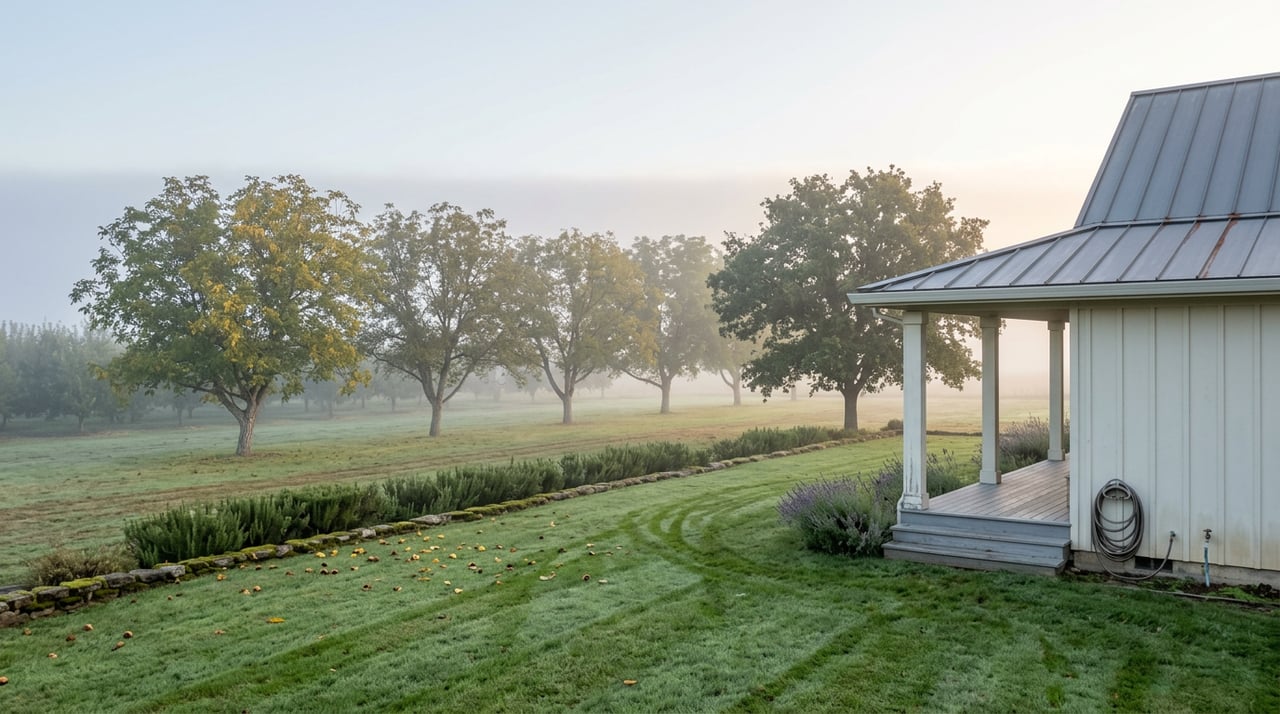
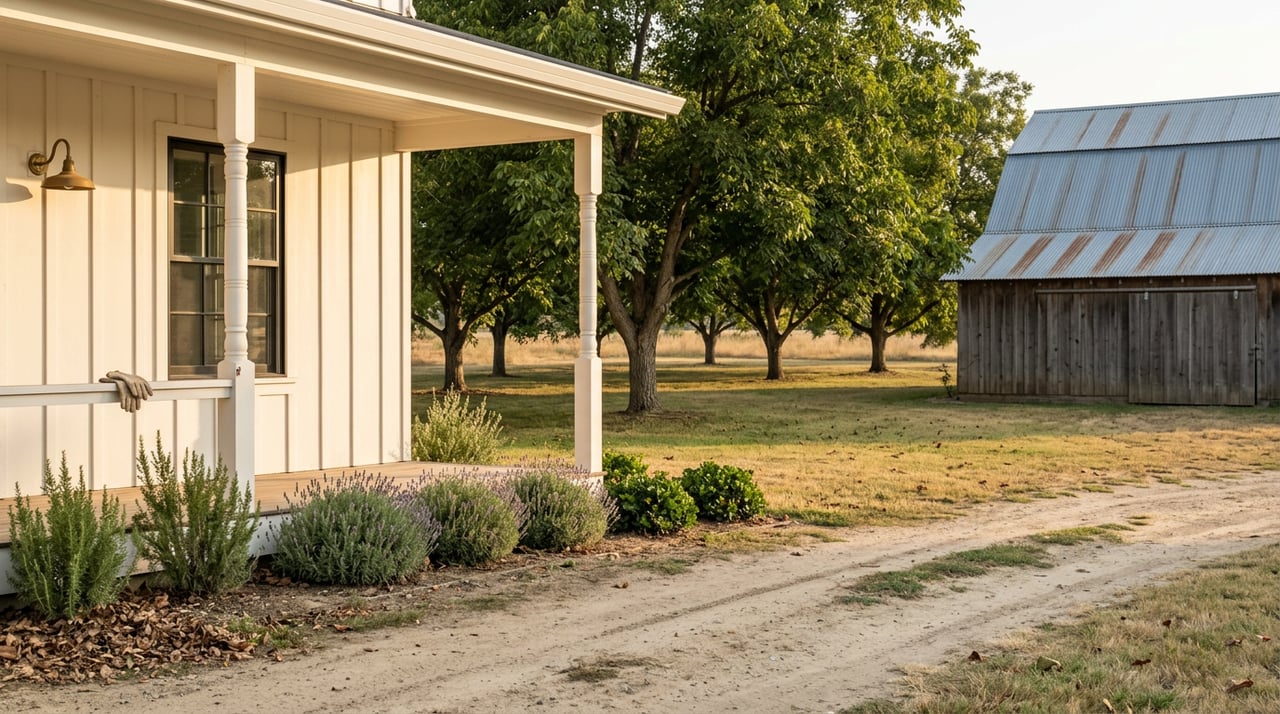
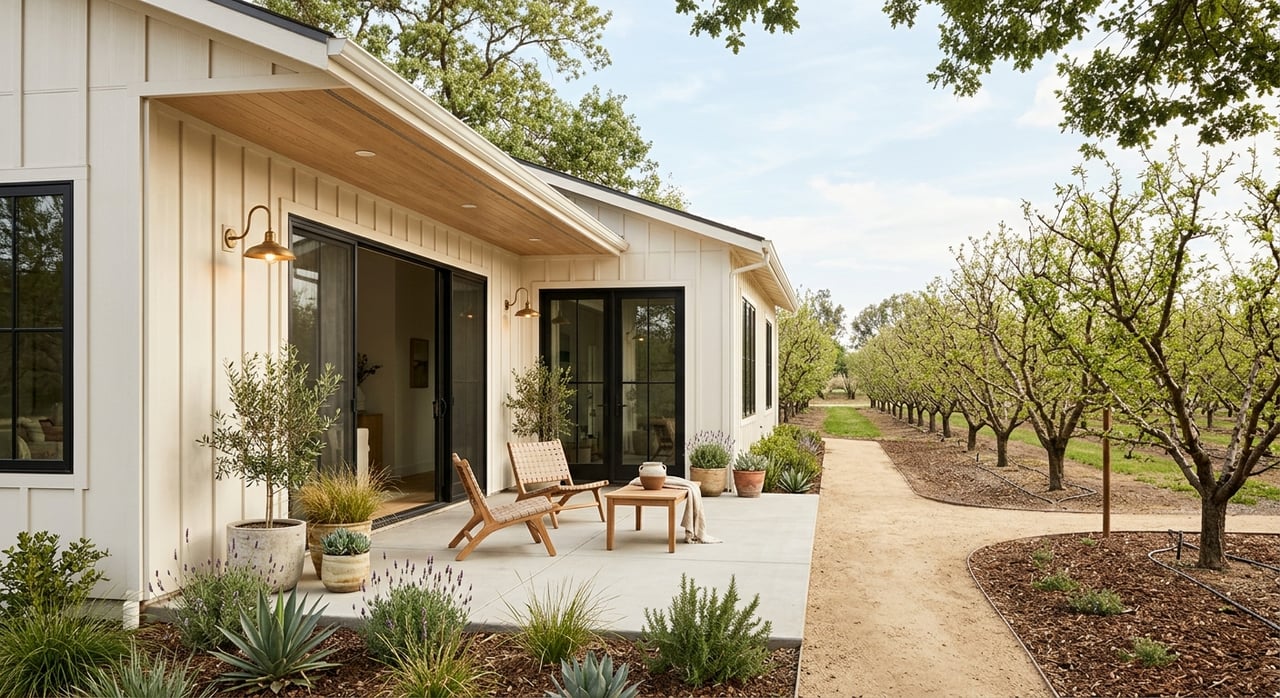
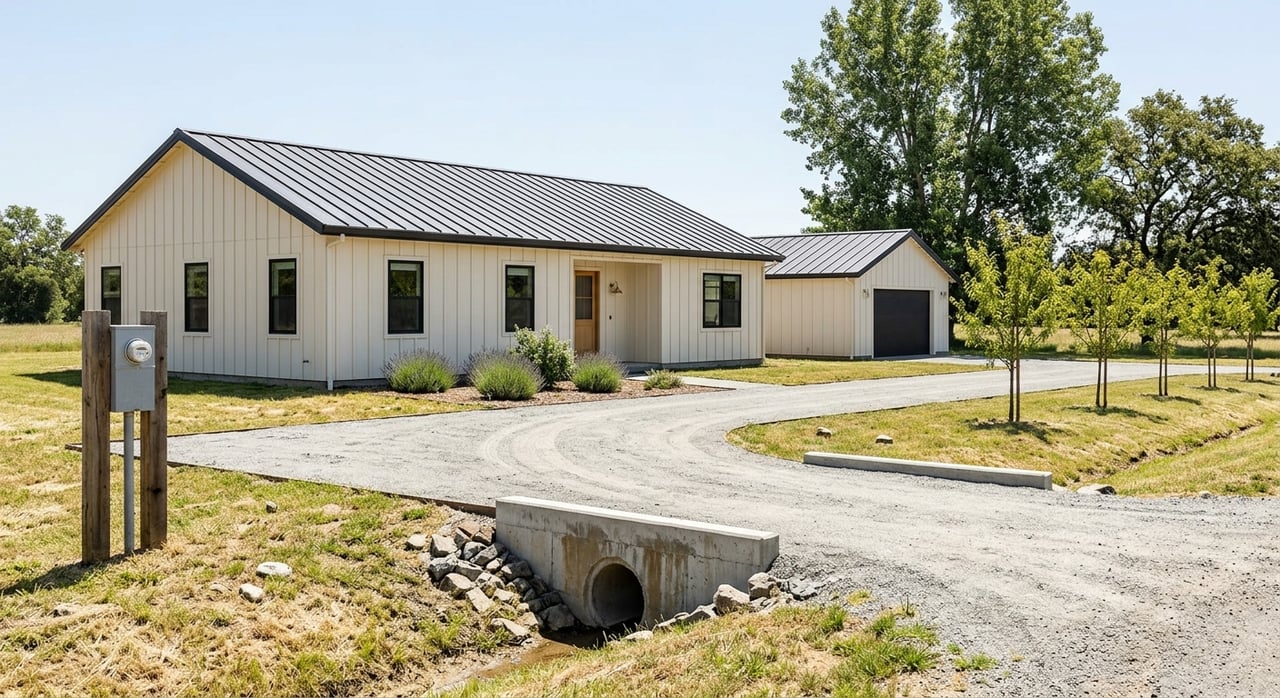
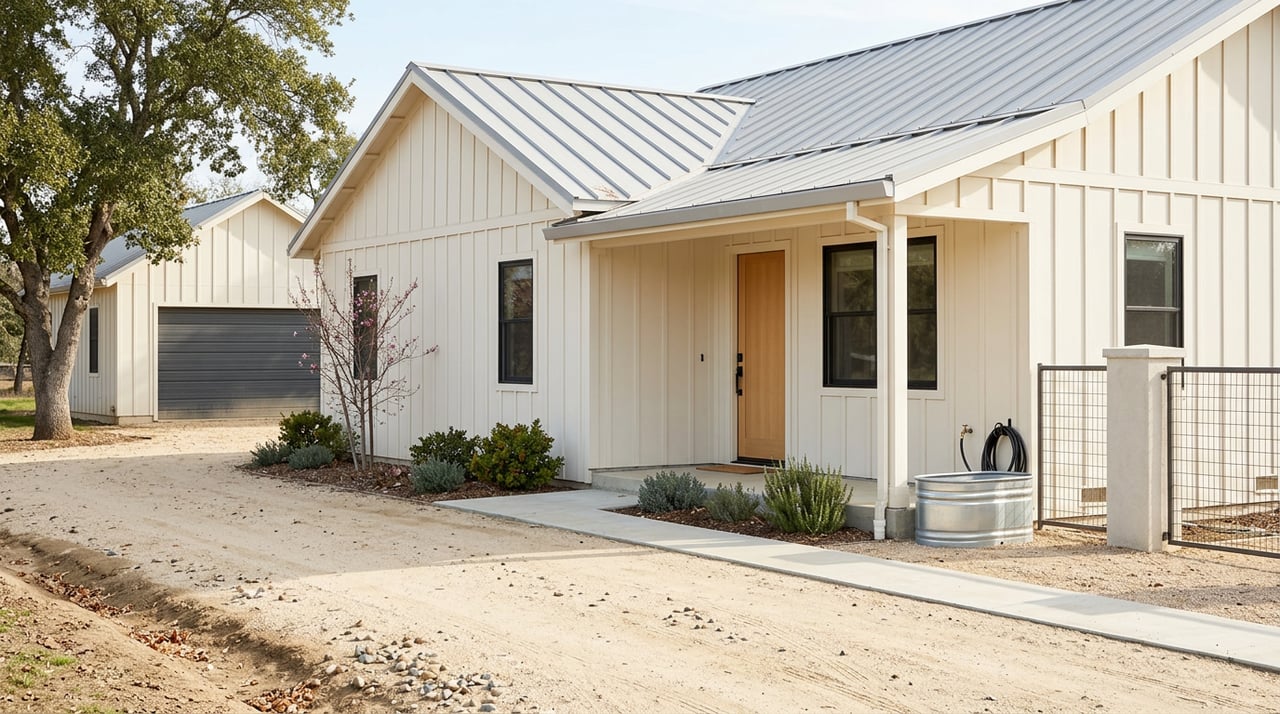
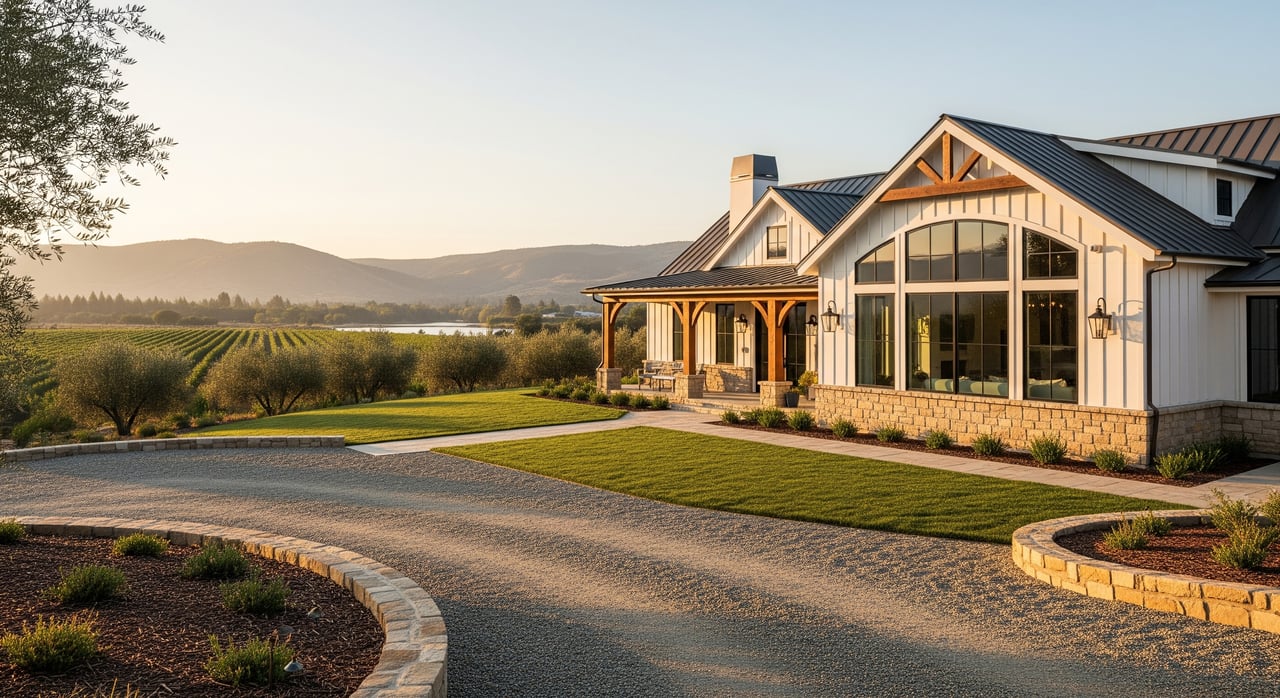
Heading east, housing shifts to semi‑rural and rural properties, including ranchettes, newer single‑family subdivisions spreading outward, and a few older farmhouses. Larger lots and acreage are common, and even newer subdivisions often feature bigger parcels.
Lifestyle and tradeoffs
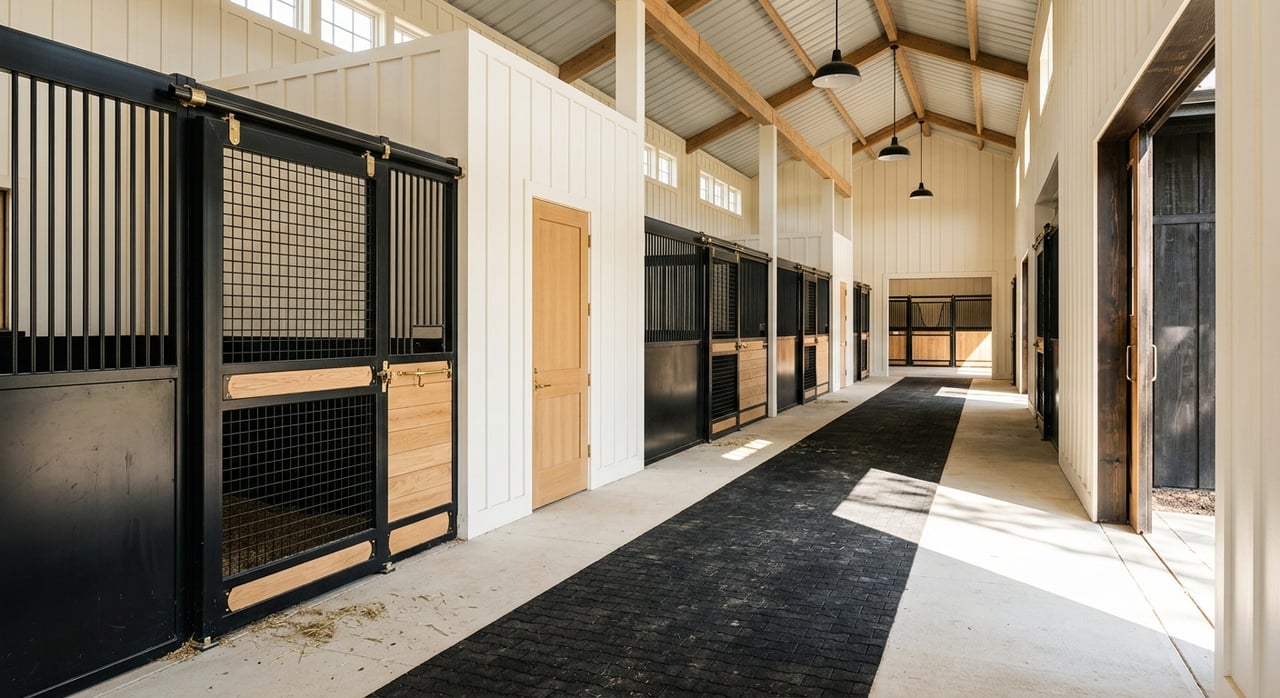
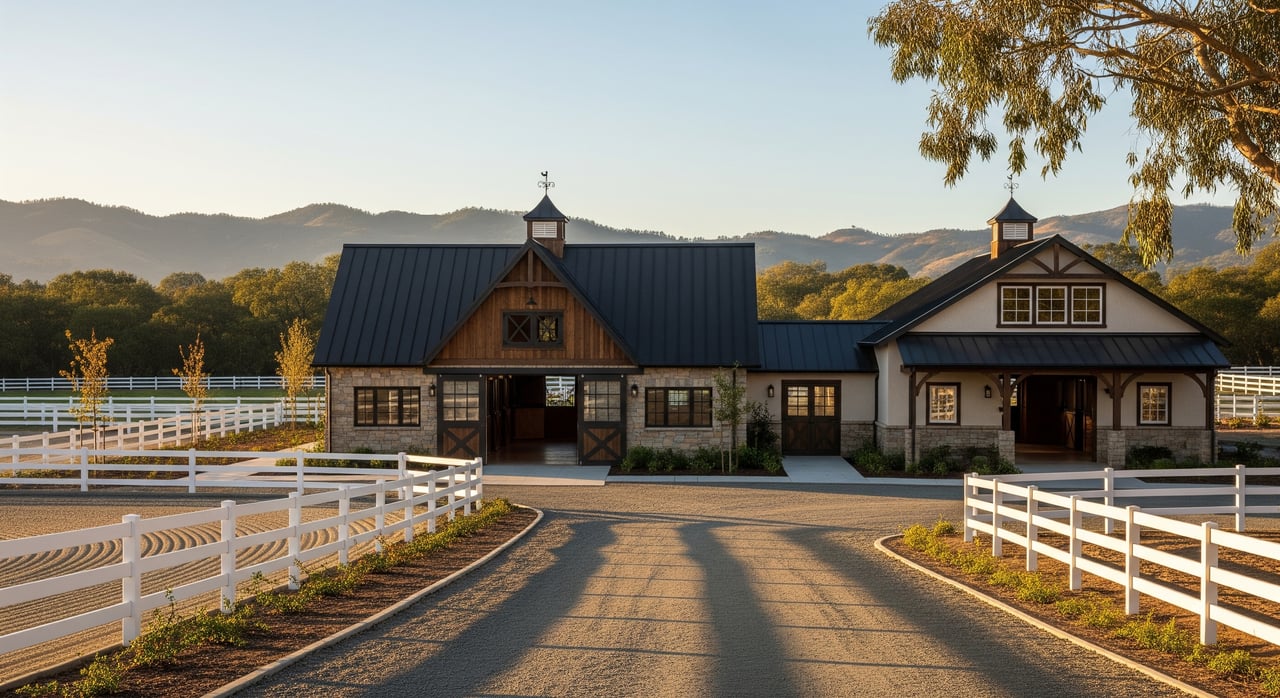
You get a quieter, country feel and room for hobbies like horses or gardening. Many properties rely on wells and septic outside city limits. Commutes are longer to downtown, and you’ll plan trips for shopping and services.
Good fit for
Buyers who want acreage, privacy, and room to grow, or those seeking a newer home on a larger lot with a rural vibe.
Shasta Lake and lake‑adjacent areas
Home styles and lots
In the city of Shasta Lake and around the lake, homes range from modest older houses to seasonal cabins and some newer builds. Lots vary widely, including steep‑slope parcels and rare waterfront locations.
Lifestyle and tradeoffs
Direct access to lake recreation is the headline. Summer crowds and traffic are common, and lakefront or slope properties can carry different maintenance and insurance considerations.
Good fit for
Boating and fishing enthusiasts, second‑home buyers, or anyone who prioritizes frequent lake time.
Anderson and nearby towns
Home styles and lots
Anderson, south of Redding, offers small‑town housing with older single‑family homes, mobile homes, and single‑story properties. You can also find small acreage.
Lifestyle and tradeoffs
The appeal is relative affordability and a smaller‑town pace. Commutes into central Redding vary by location, and there are fewer city‑scale amenities.
Good fit for
Buyers prioritizing value or a quieter, small‑town lifestyle with access to I‑5.
Mountain and rural communities
Home styles and lots
Farther west and north toward Shasta Dam, Burney, and other mountain areas, you’ll see cabins, vacation homes, older ranch properties, and remote single‑family houses. Large acreage and forested or steep parcels are common.
Lifestyle and tradeoffs
You get privacy, scenery, and direct access to recreation. The tradeoffs are distance from services, elevated wildfire risk, and potential seasonal access challenges.
Good fit for
Recreation‑focused buyers, full‑time rural residents, and seasonal investors who value land and solitude.
Outdoor access by area
- River and downtown corridor: Central neighborhoods give you the shortest walk and bike access to the Sacramento River, Turtle Bay, and the Sundial Bridge.
- Whiskeytown National Recreation Area: West Redding offers the quickest access for boating, swimming, and trails.
- Shasta Lake and Shasta Dam: Lake‑area neighborhoods and the city of Shasta Lake put you closest to marinas and boat ramps.
- Lassen and mountain recreation: East Redding and Shasta Lake can shorten the drive to some trailheads, but all of Redding sits within a few hours of high‑country options.
Commutes and daily life
Redding’s commute times are generally shorter than large metros, but your drive depends on your employer’s location. Major sectors include healthcare, government, education, retail, and some manufacturing and logistics. If you work at a hospital, downtown, or a north‑side employer, choose the side of town that aligns with your daily route.
Public transit exists but is limited compared with big cities, so most residents drive. Redding Regional Airport offers regional flights, while larger hubs like Sacramento International usually require a multi‑hour drive. Plan routes around state highways and the I‑5 corridor for intercity trips.
Schools and districts
Redding and Shasta County have multiple K‑12 districts with boundaries that vary by address. School performance can differ school‑to‑school. Always verify your assigned school with the district for the exact property address. Review the latest test scores, enrollment data, and program offerings through official state and local education sources.
Utilities, broadband, and services
Inside city limits, most homes connect to municipal water and sewer and have city trash service. Properties outside city limits often rely on wells and septic systems, with private trash service. Broadband coverage varies by neighborhood and rural address, so check availability and speeds for the specific parcel. For acreage, confirm well depth and yield, septic permits, and utility connections early in your process.
Wildfire, flood, and insurance
Shasta County is wildfire‑prone, especially in wooded hills, foothills, and semi‑rural areas. In denser and irrigated city neighborhoods, exposure tends to be lower. Review CAL FIRE Fire Hazard Severity Zone maps and local defensible‑space rules, and understand evacuation planning resources from Shasta County OES.
Riverfront and low‑lying areas along the Sacramento River and certain creeks may fall within FEMA flood zones. Check official flood maps and local floodplain information. Because wildfire and water risks can affect insurance availability and cost, request homeowner and wildfire insurance quotes early, and ask about mitigation steps your property may need.
Newer builds and growth areas
Recent development has occurred on the edges of south and north Redding, as well as through the east Redding and Palo Cedro corridors. If you want newer construction, focus your search in these areas and confirm active subdivisions or permits with city or county planning. In established neighborhoods, look for infill projects and small subdivisions.
Quick buyer checklist
- Confirm assigned schools by exact address and review recent performance data.
- Verify utilities: city water/sewer or well/septic, and broadband availability.
- Run a wildfire and flood map check for the parcel.
- Request full seller disclosures and any past insurance claims.
- Get homeowner and wildfire insurance quotes before finalizing your offer.
- Check current property taxes and any parcel assessments with the county.
- Visit the neighborhood at different times, including weekday commutes and weekends.
- If planning additions, ADUs, or agricultural uses, confirm zoning, permits, water rights, and septic or sewer capacity.
Which area fits your goals
- Want a short city commute and culture: Downtown and central Redding.
- Prefer move‑in convenience and retail access: South Redding or north Redding suburbs.
- Crave trails, views, and quick outdoor access: West Redding and hill areas near the Whiskeytown corridor.
- Need acreage or a rural feel: East Redding, Palo Cedro, and Millville.
- Love the lake lifestyle: City of Shasta Lake and lake‑adjacent neighborhoods.
- Prioritize value and small‑town pace: Anderson and nearby towns.
- Seek privacy and recreation on large parcels: Mountain and rural communities.
Next steps
Choosing the right Redding area comes down to your daily routine, the kind of home and lot you want, and how you plan to use the region’s outdoor amenities. Once you have a short list, tour at different times of day, check utilities and hazards for each address, and line up insurance quotes early. If you want a local perspective and a clear plan from search to closing, connect with Monet Templeton for neighborhood guidance and a tailored strategy.
FAQs
What are the main differences between Redding areas?
- Central neighborhoods prioritize walkability and culture, south and north areas offer suburban convenience, west favors trails and views, east delivers acreage, and nearby towns add lake access or affordability.
Where should I live for a short commute to major employers?
- Choose the side of town that matches your workplace. Central, south, and north Redding generally provide shorter drives to downtown, hospitals, or north‑side employers.
Which Redding neighborhoods have the best outdoor access?
- West Redding is closest to Whiskeytown trails, central areas hug the river and Sundial Bridge, and lake‑area communities provide direct Shasta Lake access.
What should I know about wildfire risk when buying?
- Risk is typically higher in wooded hills, foothills, and rural parcels. Review CAL FIRE maps, follow defensible‑space rules, and get early insurance quotes with mitigation steps.
How do utilities differ inside and outside city limits?
- City addresses usually have municipal water, sewer, and trash service. Rural and semi‑rural parcels often rely on wells, septic systems, and private trash pickup.
Where can I find newer construction around Redding?
- Look to edges of south and north Redding and the east Redding–Palo Cedro corridor, plus small infill projects in established areas. Confirm current projects with planning departments.