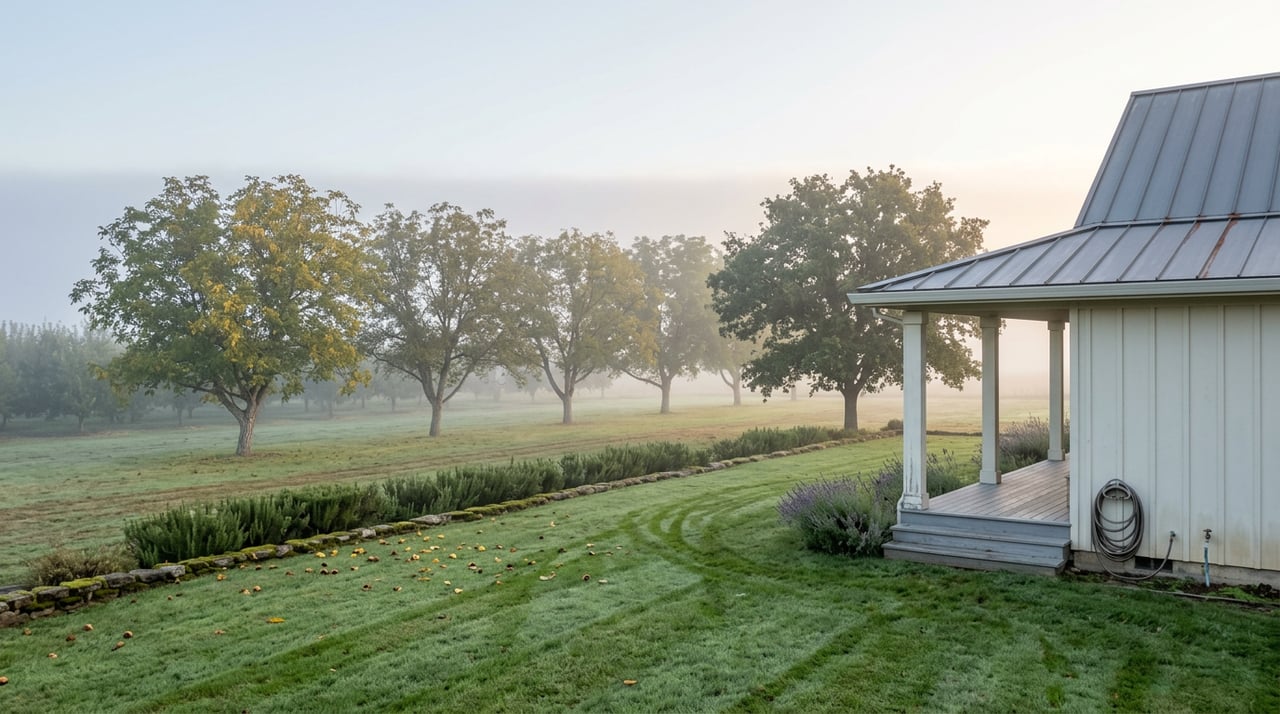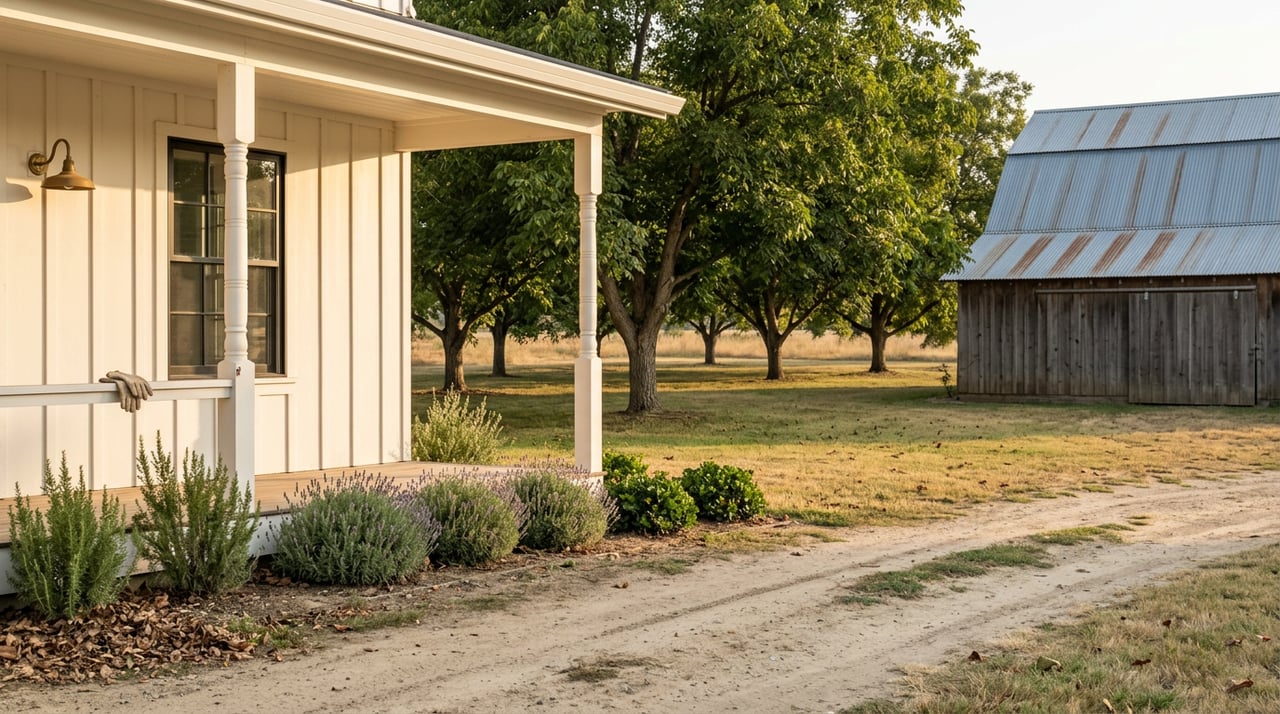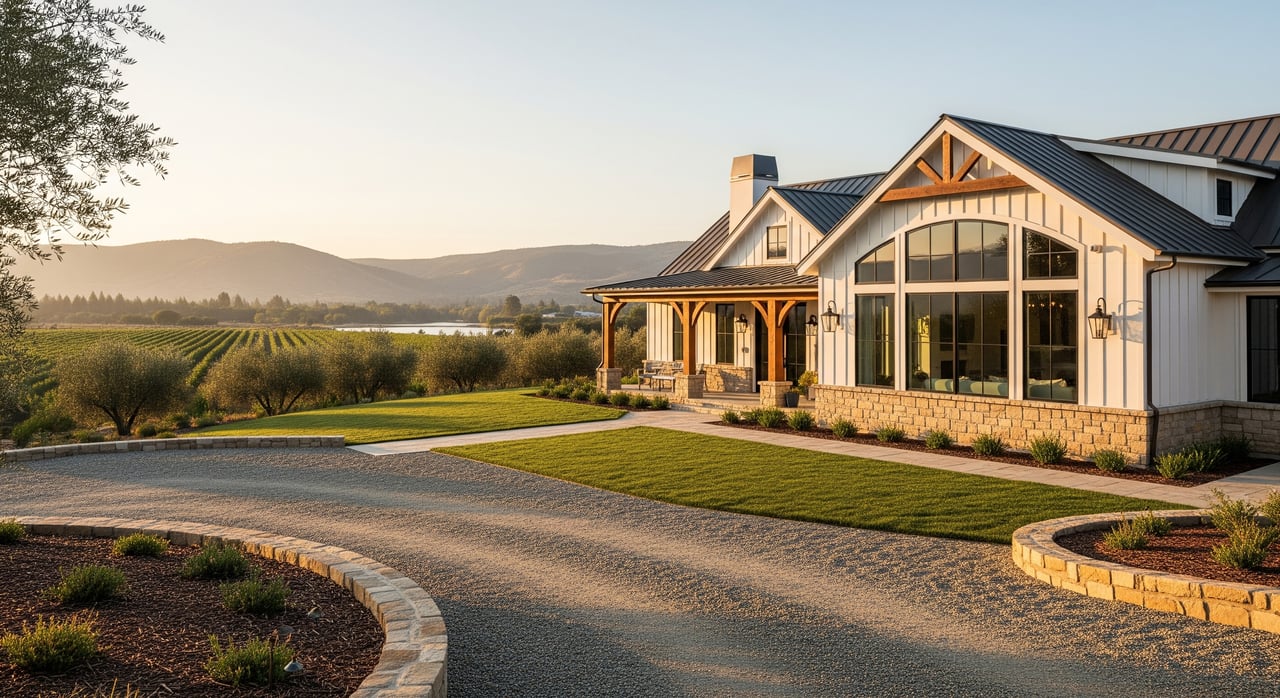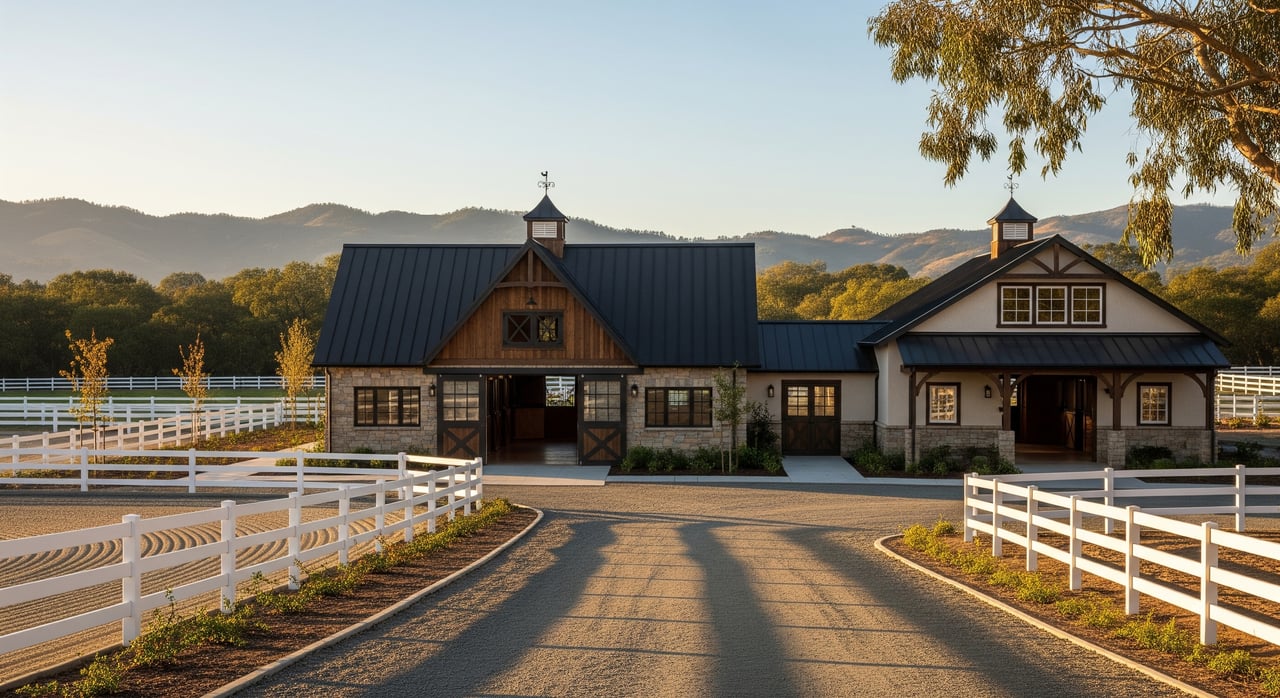
Is wide-open space, room for horses, and a working barn calling your name? Buying ranch or acreage property around Red Bluff takes a different kind of homework than a typical in-town home. You want land that works for your goals, from reliable water to the right permits and access. This guide walks you through what to check, where to verify it, and how to build a smart offer with strong contingencies. Let’s dive in.
Why rural due diligence is different
Around Red Bluff, land uses range from irrigated cropland to rangeland and rural residential. Many buyers rely on wells, septic systems, and private roads rather than city services. That means your deal hinges on practical factors like water, access, soils, wildfire exposure, and flood risk.
Local rules are county-centered. Zoning, land divisions, building permits, wells, and septic are governed by Tehama County. Treat county departments as your primary authority for what is allowed and what permits are required. Start with the county’s official resources, such as the Tehama County zoning information.
Start with water: wells, irrigation, and rights
Water availability often makes or breaks a ranch purchase. Properties may have municipal connections in limited areas, irrigation district or Central Valley Project service in defined footprints, or private groundwater wells. District or surface water entitlements can be separate from the land. Do not assume they transfer without verification.
- Review the Red Bluff Subbasin Groundwater Sustainability Plan if you plan to irrigate. It outlines how groundwater will be managed over time and may influence monitoring or future restrictions.
- For surface water or irrigation deliveries, verify any contract or allocation with the serving entity during contingencies.
- For wells, ask for the seller’s well log, pump test, static water level, and any service records. Plan an independent pump test if you need irrigation capacity.
- To research surface water rights, search the State Water Board’s eWRIMS database by owner name or location. Use this to confirm recorded claims or statements of diversion and use.
Tip: Budget for well maintenance. Pump repairs, pressure tanks, and power to the well can add up if systems are dated or undersized.
Septic, soils, and building potential
Most acreage parcels rely on septic. New or expanded systems require county review, and some sites need engineered solutions. Contact Tehama County Environmental Health early to learn permit steps and file availability for existing systems.
Soils drive both septic feasibility and pasture performance. Before you plan a new home site, barn, or arena, review the NRCS soils survey for Tehama County and consider a site-specific perc test and soils report. The right soils help avoid costly surprises like poor percolation, standing water, or erosion.
If you intend to build or legalize outbuildings, talk with Tehama County Building & Safety. Even smaller accessory structures can trigger permit, electrical, or plumbing requirements. Verifying past permits for barns, garages, and old mobile homes can save you from retrofit costs later.
Zoning, uses, and agricultural preserves
Confirm what you can do on the land before you fall in love with it. Use the Tehama County zoning information to check allowed agricultural uses, animal limits, setbacks, accessory structures, lot-split rules, and any discretionary permits that might apply to your plans.
Ask whether the parcel is under a Williamson Act contract. These agreements can lower property taxes but carry use and development restrictions. The county provides forms and procedures for non-renewal and related filings; request any recorded agreements during your title review.
Access, easements, and private roads
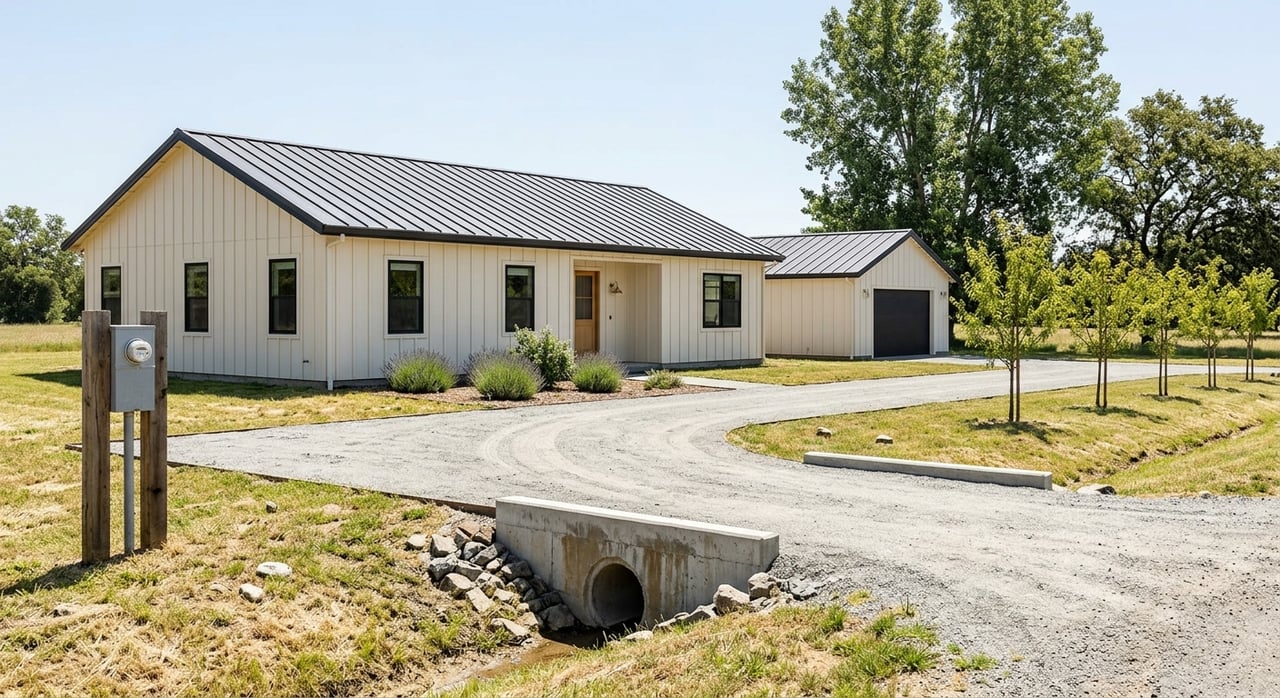
Year-round access matters. Find out if the property fronts a public county road or depends on a private road. If private, look for a recorded road maintenance agreement or an association that handles upkeep. Confirm the location of ingress and egress easements and any utility easements that cross the land.
Order a full title report and, when in doubt, a boundary survey. The Tehama County Clerk & Recorder maintains official records for easements, covenants, and agreements. Gaps in access or unclear easement language are common negotiation points.
Wildfire exposure and insurance
Many acreage properties sit in mapped wildfire hazard zones. Use the CAL FIRE Fire Hazard Severity Zone maps to see whether the property is in a High or Very High zone. This status can affect defensible space requirements, home hardening steps, and insurance availability and cost.
Before you remove contingencies, get an insurance pre-qualification. Ask carriers about required mitigation measures and estimated premiums so you can budget accurately.
Floodplains, wetlands, and environmental permits
Along the Sacramento River and in lower-lying areas, flood mapping can influence building placement, elevation, and insurance. Review FEMA’s preliminary flood map update notice for Tehama County and confirm the property’s status during your due diligence period.
Use the USFWS National Wetlands Inventory as a first screen for wetlands or stream channels. If present, additional state or federal permits may be needed for grading, crossings, or livestock infrastructure. Engage agencies and qualified consultants early if your plans could affect waterways or wetlands.
Livestock, fencing, and pasture planning
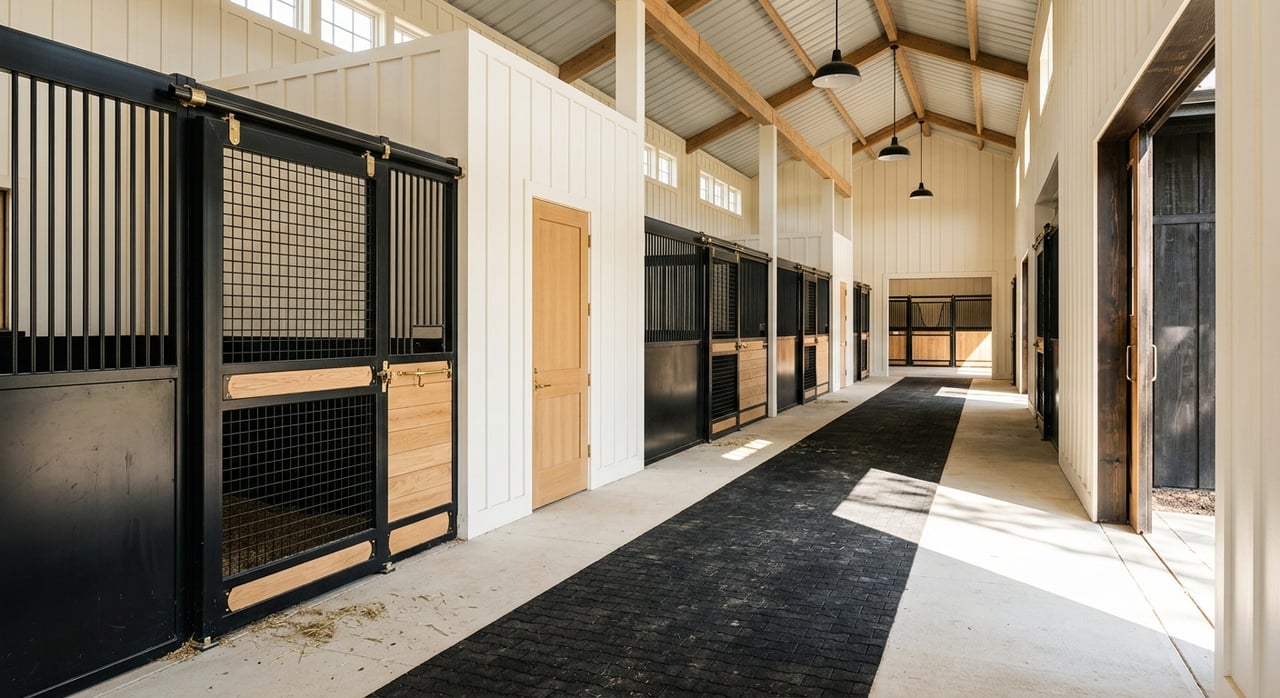
If you plan to run cattle or horses, walk the fences and count functional gates, water points, pens, and chutes. Request any recent survey to confirm fence lines match property lines. Stocking rates and forage vary by soil and drought patterns, so align your expectations with on-the-ground capacity rather than a seller’s estimate.
Small upgrades can make operations smoother, like adding a cross-fence for rotational grazing or improving a corral’s handling layout. Verify any work that involves utilities, waterlines, or structures with the county before starting.
Utilities, waste, and internet reality
Most of Tehama County is served by PG&E for electric. For remote parcels, ask about the distance to the nearest transformer or meter and get a line-extension estimate if needed. Some buyers choose off-grid solar with a generator and battery backup when extension costs run high.
Trash service varies by area and provider. Confirm pickup options and whether a commercial bin is required for agricultural waste. Internet speeds differ by address. Many rural buyers rely on fixed wireless or satellite. Run pre-qualification checks with local ISPs early if high-speed service is critical to your work.
What a local ranch specialist adds
An experienced rural agent will save you time and reduce risk by pre-screening listings for common deal killers like unclear access, weak wells, or severe fire zones. They also help you structure contingencies that protect you, coordinate with county staff and local contractors, and keep your offer competitive while you do the right homework.
Look for someone who knows Tehama County processes and has closed ranch or acreage deals. That local pattern recognition can help you value trade-offs, like the operational benefit of a strong well and usable outbuildings compared to more irrigated acres farther from town.
Your step-by-step due diligence plan
Use this checklist during your contingency period. Ask for documents up front and schedule inspections early so you can make confident decisions.
- Title, access, and boundaries
- Full title report with all easements and reservations.
- Any recorded road maintenance agreements or CC&Rs from the Tehama County Clerk & Recorder.
- Boundary survey or ALTA survey if fences or access are in doubt.
- Zoning, uses, and land division
- Written confirmation of zoning, permitted uses, animal allowances, and any conditional use needs from the Tehama County zoning information.
- Water supply and rights
- Seller’s well log, pump test, static water level, and well construction report. Independent pump test if irrigation is planned.
- If surface diversions or district deliveries are relevant, verify contract status and search the State Water Board’s eWRIMS database for recorded rights.
- Review the Red Bluff Subbasin Groundwater Sustainability Plan for monitoring and management actions that could affect long-term pumping.
- Septic, soils, and building
- County file review and site evaluation or perc testing with Tehama County Environmental Health.
- Soils mapping with the NRCS soils survey for Tehama County and, if needed, a site-specific report.
- Permit review for existing barns, shops, and planned improvements with Tehama County Building & Safety.
- Wildfire, flood, and environmental
- Fire zone status on the CAL FIRE Fire Hazard Severity Zone maps and insurance pre-qualification.
- Floodplain status via FEMA’s preliminary flood map update notice for Tehama County.
- Wetlands screen with the USFWS National Wetlands Inventory and early agency outreach if streams or wetlands are present.
- Operations and infrastructure
- Inventory of functional pens, chutes, water troughs, cross-fencing, and power availability to outbuildings.
- Utility checks for power extension needs, trash service, and internet availability.
Smart negotiation tips for acreage buyers
- Tie your offer timelines to key inspections. Give enough time to schedule well tests, perc tests, and surveys.
- Ask for seller disclosures and maintenance records early. A missing well log or a vague access history is a signal to slow down or adjust price.
- Price upgrades realistically. A new pump, fencing repairs, or defensible space work can change your budget. Use bids to support a credit request.
- Focus on function over flash. In this market, a strong well and sound outbuildings can beat a showy setting that lacks water or legal access.
Ready to explore ranch and acreage opportunities around Red Bluff with a local advocate at your side? Connect with Monet Templeton to map your goals, target the right properties, and move forward with confidence.
FAQs
How do I verify allowed uses on rural land near Red Bluff?
- Check the parcel’s designation and permitted uses through the county’s official zoning resources, then confirm specifics in writing with planning staff using the Tehama County zoning information.
How can I check water rights for a Red Bluff area property?
- Search owner or location details in the State Water Board’s eWRIMS database, and verify any irrigation district contracts directly during contingencies.
Who oversees wells and septic in Tehama County?
- Tehama County Environmental Health manages permits and file records for wells and septic systems; contact them early for site reviews and required forms.
How do I find wildfire risk for a ranch outside Red Bluff?
- Look up the address on the CAL FIRE Fire Hazard Severity Zone maps and request an insurance pre-qualification before removing contingencies.
Do flood maps affect where I can build on acreage?
- Yes. Check FEMA’s current and preliminary mapping updates for Tehama County using the official notice, then discuss elevation and insurance needs with your builder and insurer.
Where can I check if wetlands or streams limit grading or crossings?
- Use the USFWS National Wetlands Inventory as an initial screen and consult agencies early if mapped features appear on or near the parcel.