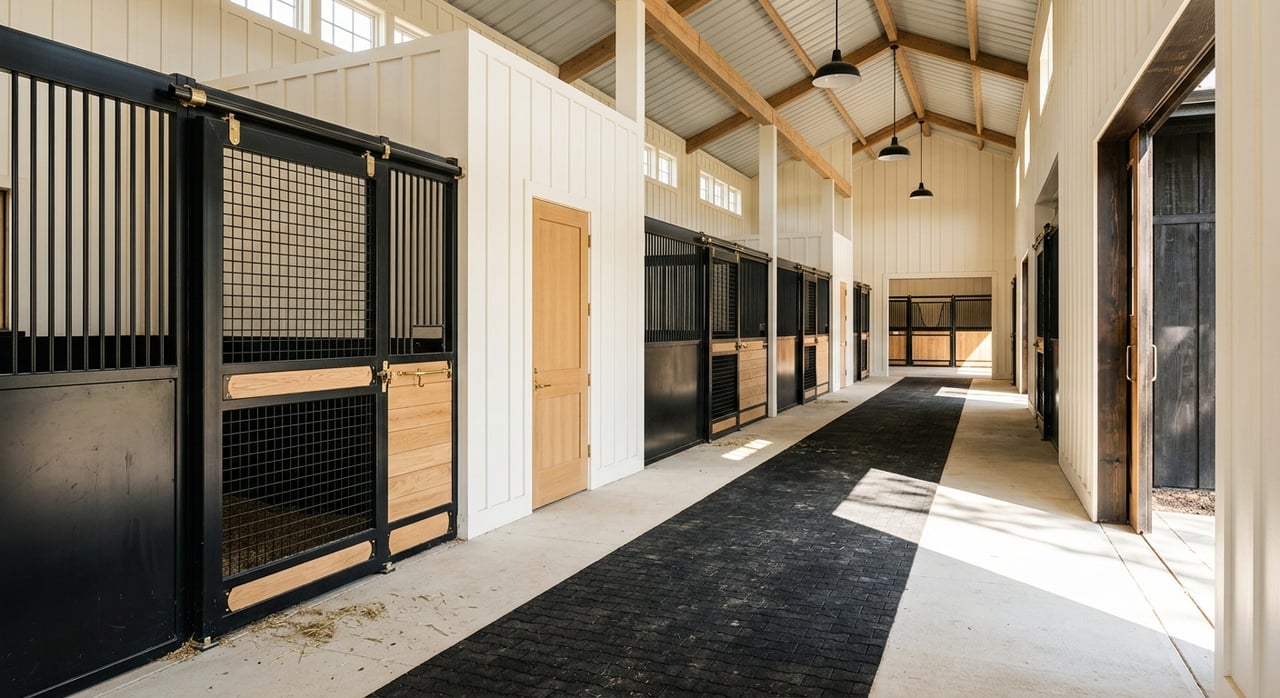
If you are selling a horse property in Cottonwood, you are not just selling a house with land. You are selling function, access, and confidence. Buyers want to know the property works for horses in real life, and they want proof before they schedule a showing. The good news is that with the right prep and marketing, you can make those strengths obvious from the start. Let’s dive in.
Start With What Buyers Need Most
Horse-property buyers in Cottonwood tend to look past surface-level features and focus on how the property performs day to day. They want to see whether the setup supports turnout, feeding, trailer movement, fencing, and safe horse handling.
That is especially important in a smaller rural market like Cottonwood, where online presentation carries a lot of weight. Census data shows strong household computer and broadband access locally, which means your digital listing has a major role in attracting serious buyers.
Verify Horse Use Before You Market
Before you invest in photos, video, or listing copy, confirm exactly what the property allows. In Shasta County, horse-keeping rules matter, and buyers will often ask detailed questions early in the process.
A county ordinance excerpt states that the minimum lot area for keeping a horse is one acre, with one horse allowed for each additional one-half acre. The same materials note that stables and paddocks must meet setback rules.
That same county guidance also says private stables and paddocks may not be offered, leased, or let for commercial purposes. If your property has ever been used for boarding, training, or similar activity, it is important to confirm whether the zoning and permits actually support that use.
County planning materials also note that commercial riding stable and academy uses in Unclassified zoning require a use permit. In other words, buyers need clarity on whether they are purchasing a private-use horse property or one with approved commercial equestrian potential.
Why zoning clarity helps your sale
When a listing is vague about use, buyers hesitate. They may worry about county compliance, future costs, or whether the setup matches their goals.
When you can clearly explain the horse use, lot capacity, and any permitted improvements, you reduce uncertainty. That helps your property feel more credible and easier to pursue.
Gather Well and Septic Records Early
On rural property, utility documentation matters almost as much as the land itself. Shasta County Environmental Health states that permits are required to drill, destroy, deepen, or recondition a water well and to install or repair septic systems.
The county also notes that some buyers and lenders may request local health-official clearance on existing water supply or septic. That makes your records more than paperwork. They are part of your marketing package.
If you can provide well permits, septic records, and recent service or inspection documents, you help buyers feel more comfortable. You also reduce the chance of surprises once escrow begins.
Documents worth organizing
Before listing, gather as many of these items as you can:
- Well permit records
- Septic installation or repair records
- Recent well or septic service paperwork
- Barn or arena improvement details
- Property maps or layout sketches
- Any available permit history for equestrian improvements
Show the Property Like a Horse Owner Would See It
The best marketing for a Cottonwood horse property is practical, not generic. Buyers want to understand the layout quickly and see how horses move through the space.
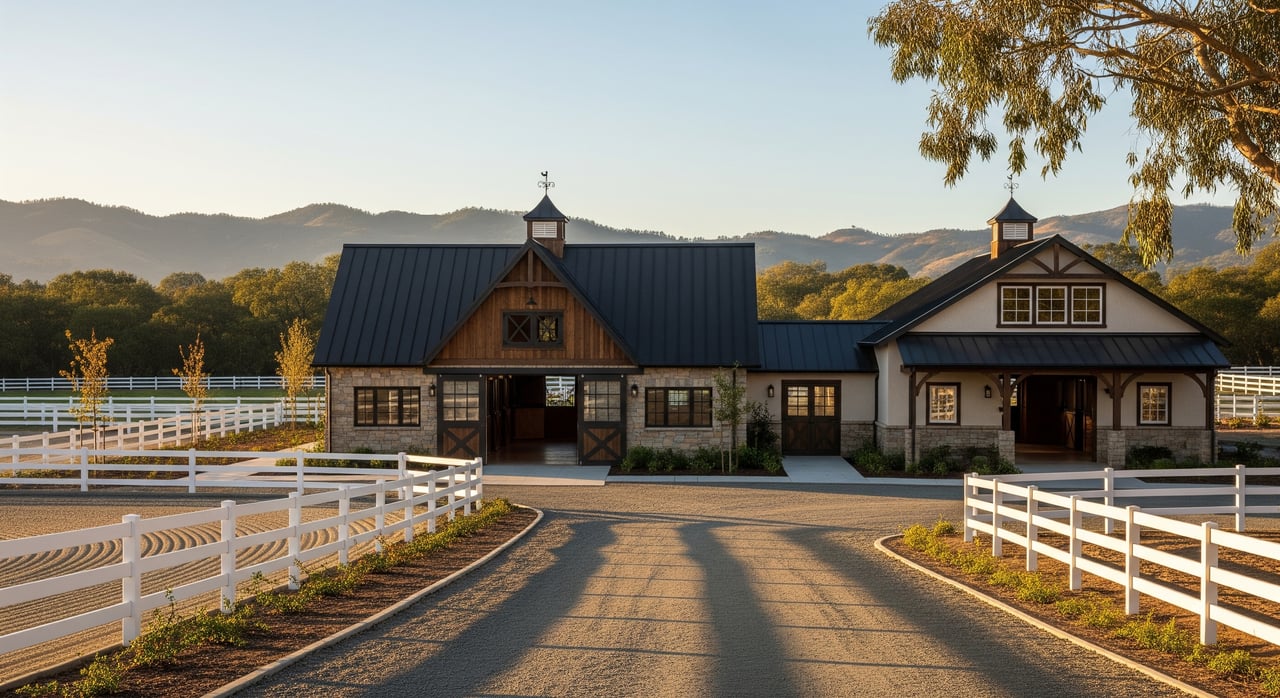
County planning documents highlight the kinds of improvements that matter most to equestrian users. These include barns with paddocks, hay storage, self-exercise paddocks with shade covers, turnout pasture, trailer parking, and even a 100-by-200 arena.
That means your visual marketing should do more than show a pretty front photo. It should show how the property works.
What to feature in listing photos
A strong photo package should highlight:
- Stall count and barn condition
- Tack storage and hay storage
- Arena size, surface, and condition
- Turnout areas and pasture flow
- Shade structures and water access
- Fencing condition and gate security
- Trailer entry, turn-around space, and parking
- Covered or improved surfaces that support daily horse care
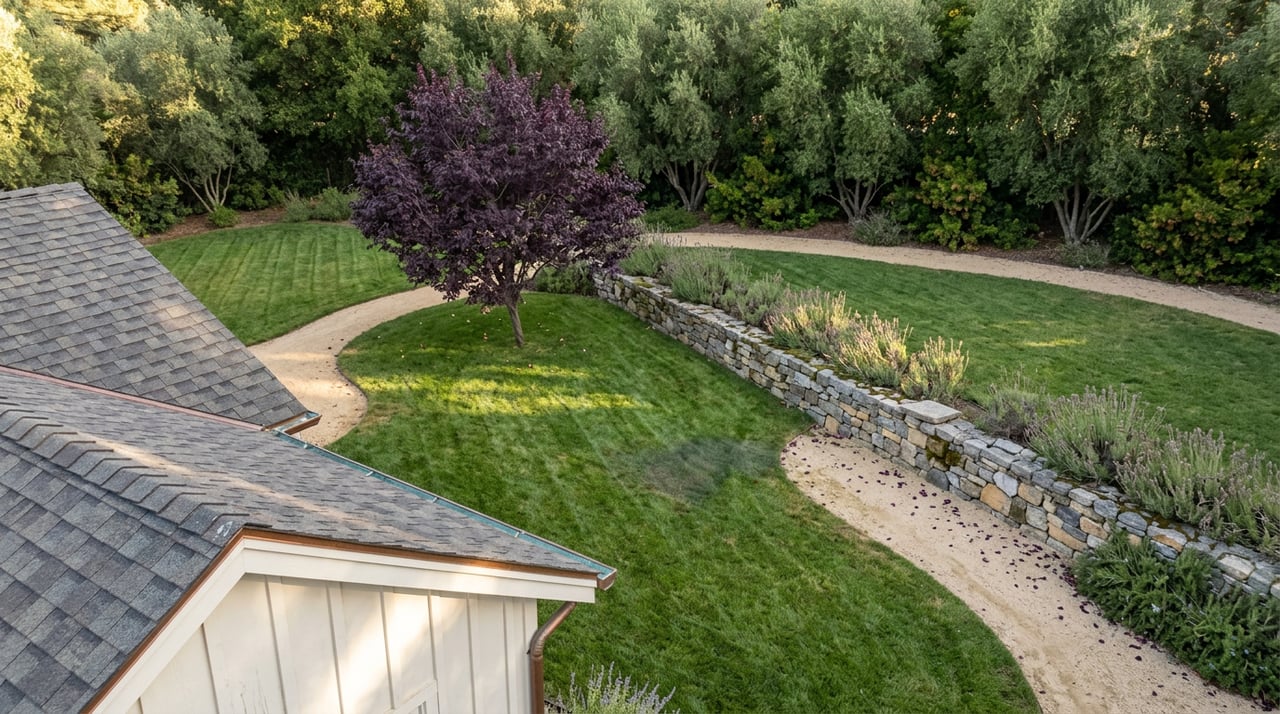
If the layout is one of the property’s biggest strengths, aerial photography can help buyers understand the full picture. Acreage, barn placement, arena orientation, and trailer circulation are often easier to appreciate from above.
Invest in Strong Digital Presentation
Most buyers begin their search online, and that matters even more for a niche property type like horse property. Your first showing often happens on a screen.
Industry guidance in the research report emphasizes high-resolution photography and video tours, along with decluttering before the photo shoot. It also notes that professional photography, virtual tours, interactive floor plans, and aerial drone images can help outdoor properties stand out.
For Cottonwood horse properties, this kind of media is especially effective because buyers may be searching from elsewhere in Shasta County or from neighboring areas. A polished online presentation helps your property compete for attention beyond immediate local traffic.
Your digital marketing checklist
To create a listing that stands out, focus on:
- Professional high-resolution photography
- Drone images of acreage and layout
- Video that shows movement through the property
- Clear captions identifying horse-use features
- A floor plan or site layout when available
- Clean, uncluttered barn and home spaces
The goal is simple. A buyer should understand the property’s horse setup before they ever step on site.
Write Listing Copy That Answers Real Questions
Horse-property buyers read listings differently than traditional homebuyers. They are scanning for useful facts, not just adjectives.
Instead of relying on broad phrases, your listing copy should identify the features that affect care, safety, and daily use. Mention arena dimensions if known, explain trailer access, describe shade and turnout areas, and note storage that supports feed, tack, or equipment.
This is also the place to be accurate about use. If the property is suited for private horse keeping, say that clearly. If commercial equestrian use would require separate county review or permits, do not overstate the opportunity.
Better listing details to include
Useful listing copy often covers:
- Number and type of horse facilities
- Approximate pasture or turnout arrangement
- Access points and circulation for trucks and trailers
- Storage areas for tack, hay, or equipment
- Water access relevant to animal care
- Any documentation available for well, septic, or improvements
Highlight Safety and Evacuation Features
In rural Northern California, emergency readiness is not a minor detail. Shasta County sheriff safety guidance advises animal owners to pre-plan evacuation routes, make sure animals will load, and evacuate horses or livestock early when possible.
That makes practical site features more valuable in your marketing. Wide gates, accessible trailer parking, durable fencing, and easy vehicle circulation are not just conveniences. They can be meaningful decision points for equestrian buyers.
County safety guidance also encourages checking fences and inspecting pastures for sharp objects and downed lines after a disaster. For sellers, that makes clean perimeter lines, intact fencing, and secure gates worth showcasing in both photos and property remarks.
Sell the Cottonwood Lifestyle, Not Just the Improvements
A horse property is also a lifestyle purchase. Buyers are often looking for a place that supports riding, outdoor living, and access to the broader equestrian community.
Shasta County planning materials identify equestrian recreation providers and equestrian trails in the county. The region also offers horseback riding opportunities on many multiuse trails in Shasta-Trinity National Forest, and the Eastside Keswick Trails include more than 25 miles of dirt single-track open to horseback riding.
Nearby equestrian amenities also help reinforce Cottonwood’s appeal. The research report notes the Cottonwood Creek Equestrian Center as a boarding and event facility with clinics, shows, long- and short-term boarding, and a public covered arena.
You can also point to broader outdoor access cues in the area, such as the route to the Mouth of Cottonwood Creek Wildlife Area through Cottonwood. These details help buyers picture how the property fits into the way they want to live and ride.
Price and Position the Property Honestly
Even exceptional horse properties can sit if the marketing creates confusion or overpromises. In this category, buyers are often experienced, detail-oriented, and quick to spot gaps.
That is why the most marketable Cottonwood horse property is usually the one that combines three things: zoning clarity, solid utility documentation, and visual proof that the property works well for horses. When those pieces are in place, pricing and negotiation become much easier to defend.
Why local expertise matters
Selling a horse property takes more than posting acreage and a barn photo. You need someone who understands how buyers in this part of Northern California evaluate rural property, what details deserve emphasis, and how to present the property with both reach and accuracy.
That combination of local knowledge and polished marketing can make a meaningful difference in who responds, how serious they are, and how smoothly the transaction moves forward. If you want guidance on how to position your Cottonwood horse property for the strongest result, connect with Monet Templeton.
FAQs
What should sellers verify before marketing a horse property in Cottonwood?
- Sellers should confirm horse-keeping rules, lot size allowances, setbacks, and whether the property is approved for private horse use only or has permits for any commercial equestrian activity.
What records help a Cottonwood horse property sell faster?
- Well permits, septic records, and recent service or inspection documents can help reduce buyer uncertainty and answer common lender or due diligence questions.
What photos matter most for a horse property listing in Shasta County?
- Buyers usually want to see barns, stalls, tack and hay storage, arena size and surface, turnout areas, fencing, gates, water access, and trailer parking or turn-around space.
How should a Cottonwood horse property be marketed online?
- The strongest approach includes professional photography, drone images, video, uncluttered presentation, and clear listing remarks that explain how the property functions for horses.
What local lifestyle details can help market a horse property in Cottonwood?
- Relevant details include access to equestrian recreation in Shasta County, horseback riding opportunities in the region, and nearby equestrian facilities that support riding and horse care.