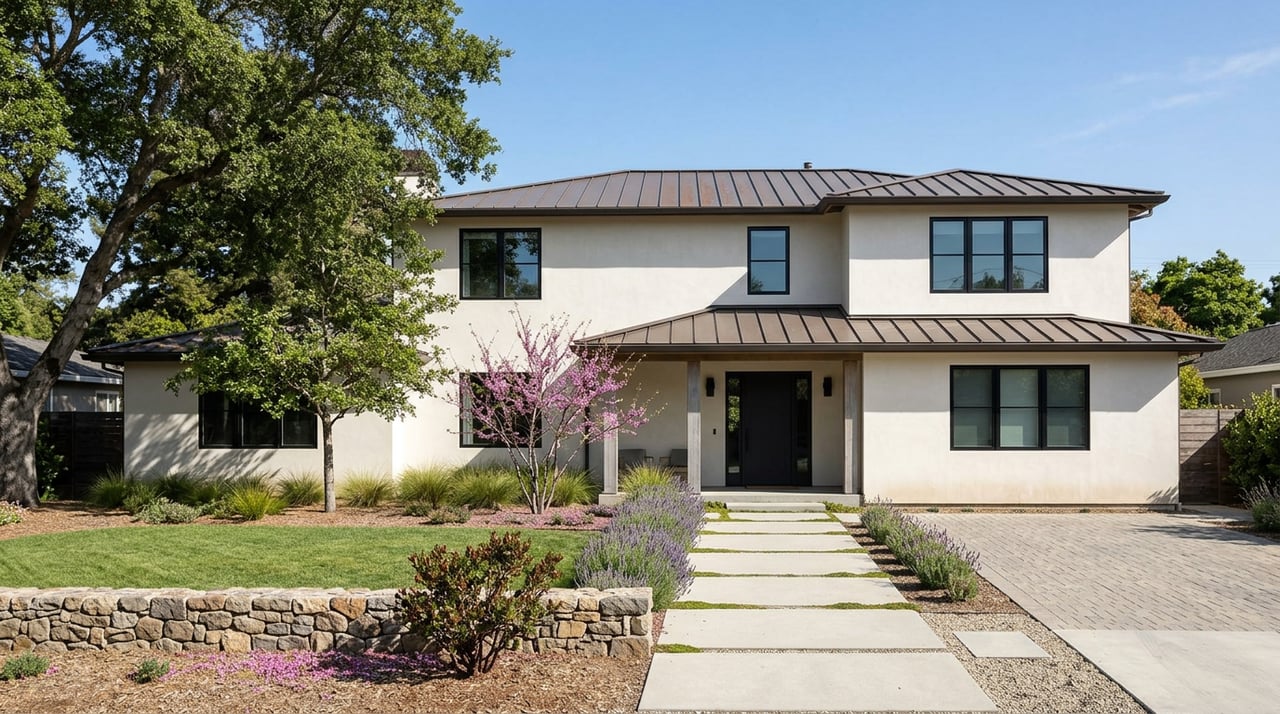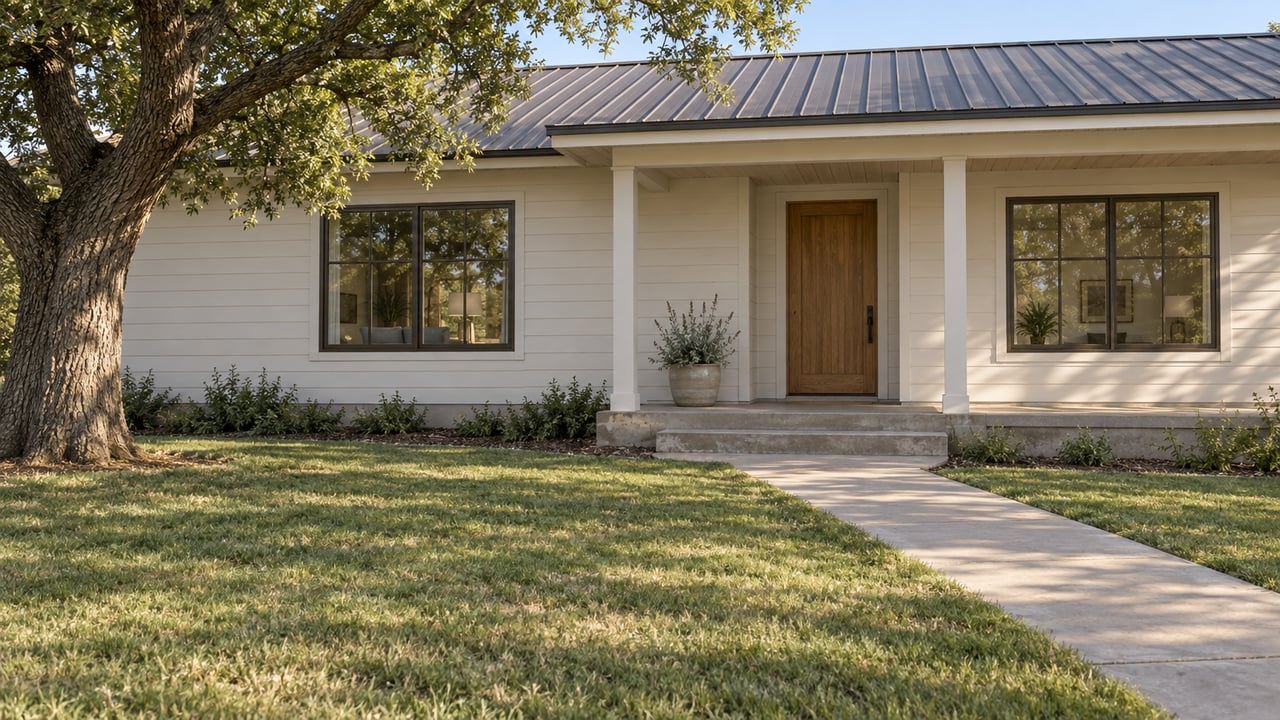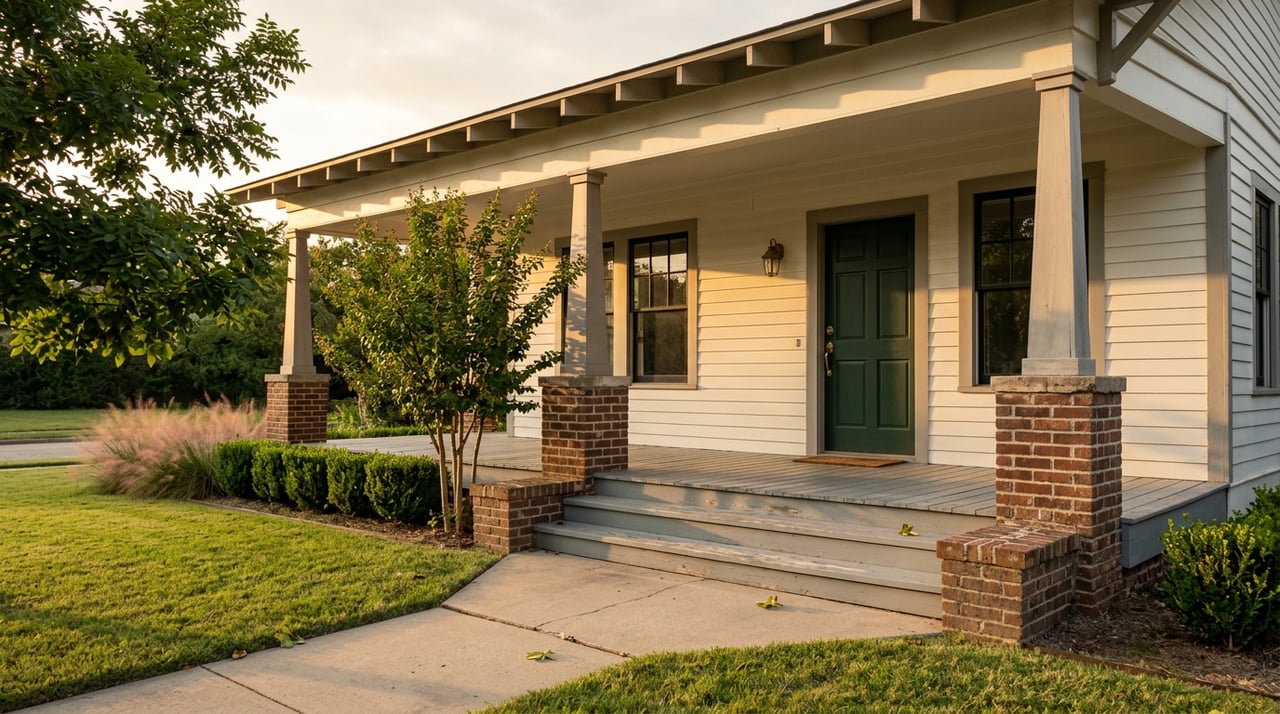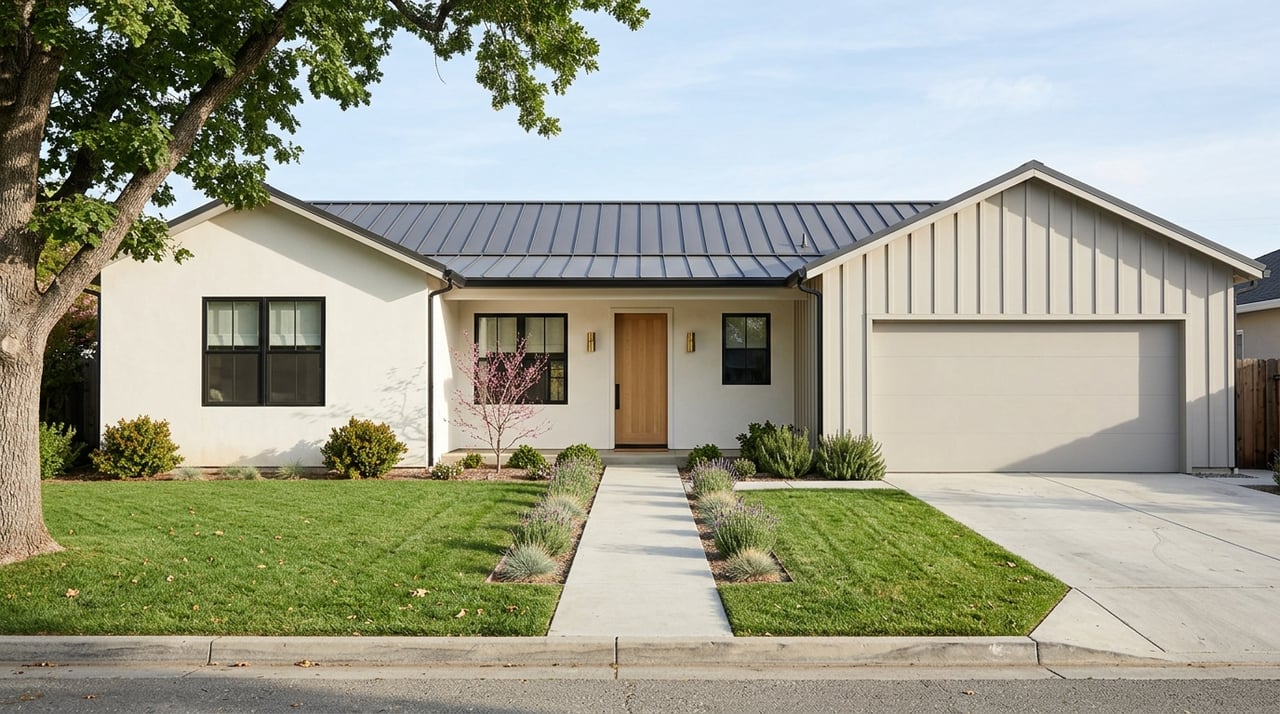
If you already own a home in Redding and feel ready for more space, a different layout, or a better fit for your next chapter, you are not alone. The hard part is not just finding the right next home. It is figuring out how to sell and buy without losing momentum, stretching your budget too far, or getting stuck between two closings. This guide walks you through what move-up buyers in Redding should know about timing, equity, contingencies, taxes, and planning so you can move forward with more confidence. Let’s dive in.
Redding move-up buyers face a fast market
Redding remains a relatively fast-moving market. Redfin reports a median sale price of $399,761 for the three months ending May 2026, with homes spending a median of 20 days on market.
Countywide, the picture is similar. Zillow reports a Shasta County average home value of $375,608 and homes going pending in about 17 days as of May 31, 2026, while Realtor.com reports a county median listing price of $429,900, around 1,600 homes for sale, and homes selling for about asking on average in May 2026.
For you as a move-up buyer, that means preparation matters. If you need the proceeds from your current home, want to make a competitive offer, or hope to line up two transactions smoothly, it helps to have your plan in place before the right property hits the market.
Know your budget before touring
A move-up purchase often looks simple on paper because you already own a home. In practice, your next budget depends on how much equity you can use, what your monthly payment will look like, and how much cash you need at closing.
The California Department of Real Estate says buyers normally need enough savings for a 5% to 20% down payment plus another 3% to 7% for closing costs. Lenders also look at credit history, job stability, and down payment size.
If your current home is your main source of funds, you need a clear estimate of net sale proceeds before you shop seriously. That number shapes your price range, your down payment options, and whether you can buy first or need to sell first.
Do not forget monthly cost changes
Your move-up home may come with more than a higher purchase price. The Department of Real Estate advises buyers to review special taxes, assessments, and HOA dues before choosing a home because those costs can change your monthly payment.
That matters even more when you are moving from a starter home into a larger, newer, or higher-priced property. A home that looks manageable at list price may feel very different once all ownership costs are added in.
Your three main move-up paths
Most move-up buyers in Redding follow one of three routes. Each one can work, but the best choice depends on your equity, your cash reserves, your comfort with risk, and how flexible your timeline is.
Sell first
Selling first is often the cleanest option. It usually makes the most sense when you need the equity from your current home for the next down payment or when you want to avoid carrying two housing payments at the same time.
The biggest benefit is clarity. Once your home sells, you know what funds you have available, what your next payment can look like, and how strong your purchase position will be.
The downside is timing. You may need a short-term housing plan if your replacement home is not ready yet.
When a rent-back may help
If you sell before buying, a rent-back arrangement may help bridge the gap. In this setup, you stay in your home for an agreed period after closing if the buyer accepts those terms.
This can give you a little breathing room while you complete your purchase and move. In a fast market, that extra flexibility can make the overall transition feel much more manageable.
Buy first
Buying first can work if you have enough cash, enough qualifying power, or access to bridge financing. The Department of Real Estate defines a swing or bridge loan as a temporary loan against the equity in the home being sold, or against equity in both the present home and the contemplated home, and says those funds can be used for the down payment on the new residence.
California law treats a bridge loan as a temporary loan with a maturity of one year or less for the acquisition or construction of the borrower’s principal dwelling. This path can help you secure your next home before selling your current one.
The tradeoff is short-term pressure. You may face overlapping housing costs, tighter cash flow, and more urgency to sell the old home quickly once the new one closes.
Coordinate both closings
Some move-up buyers aim to line up both transactions with sale-related contingencies. In California, the Department of Real Estate says the C.A.R. COP form is used when an offer is contingent on the sale of property owned by the buyer, and also when a seller counters subject to finding a replacement property.
This path can reduce the need for temporary housing or overlapping ownership. It can also be harder to pull off in a market where homes move quickly.
How contingencies work in practice
Yes, you can make a contingent offer in California. Common examples include a home-sale contingency, which gives you time to sell your current home before closing, and a home-close contingency, which gives you time to close your current sale before purchasing the next home.
These tools can protect you, but they also affect how a seller views your offer. In a market like Redding, where homes are going pending in roughly 17 to 20 days, contingent offers often need very clear timelines and solid financing to stay competitive.
Sellers who accept a sale-related contingency may continue showing the property. A kick-out clause can also give you a first right of refusal if a stronger offer appears.
That means your contingency should not be open-ended. If the condition is not met within the agreed time, either side can usually cancel without penalty if both parties are acting in good faith.
Timing matters more than most buyers expect
A move-up transaction is not just about finding two homes that match. It is about managing the calendar carefully.
In California, escrow is commonly handled by independent escrow companies licensed by the Department of Financial Protection and Innovation or by title insurance companies licensed by the Department of Insurance. The Department of Real Estate also notes that brokers can perform escrows only when they are already acting as an agent.
You also need to account for required closing steps. The Closing Disclosure must be delivered at least three business days before closing, and final closing happens when funds are disbursed, the deed transfers ownership, and the documents are recorded with the county.
Because Redding homes move quickly and the closing process includes fixed disclosure and recording steps, most coordinated move-up transactions require several weeks of planning. If you also need a contingency or replacement-property timing, it may take more.
Watch for tax and reassessment changes
One of the biggest surprises for move-up buyers is that your tax picture may change after you buy. In Shasta County, a change of ownership or new construction triggers reassessment and can lead to supplemental tax bills in addition to the annual tax bill.
The county also notes that the supplemental bill is mailed to the assessed owner, while the annual bill still must be paid on time. If you are increasing your price point, this is an important cash-flow detail to plan for early.
Prop 19 may matter for some sellers
Proposition 19 can be important if you qualify. The California Board of Equalization says qualified homeowners who are at least 55, severely disabled, or victims of wildfire or other disaster may transfer a base-year value to a replacement primary residence in California.
The timing matters here. The claim is filed with the county assessor after both transactions are complete and after you are living in the replacement home, not through escrow.
If a qualified owner buys the replacement home first, the Board of Equalization says that property is taxed at full fair market value until the original home is sold. That can create a temporary cash-flow bump, so it should be part of your planning if Prop 19 may apply to you.
Capital gains may also be part of the conversation
For some homeowners, equity growth raises tax questions. The IRS says a homeowner may be able to exclude up to $250,000 of gain from the sale of a main home, or up to $500,000 for some married joint filers, if the ownership and use tests are met.
This does not apply the same way in every situation, but it is one more reason to review your numbers early when you are thinking about moving up.
A practical move-up checklist
If you want your sale and purchase to feel more coordinated, start with the basics:
- Estimate your current home equity and likely net proceeds
- Define your target purchase price and monthly payment comfort zone
- Review down payment and closing cost needs
- Check for HOA dues, special taxes, and assessments on homes you are considering
- Decide whether you are more comfortable selling first, buying first, or using contingencies
- Build a timeline for listing, touring, offer writing, escrow, and moving
- Plan for possible supplemental tax bills after closing
- Review whether Prop 19 or capital gains rules may affect your move
Why local strategy matters in Redding
Move-up buying is part math and part timing. In a market like Redding, where homes can move fast and price points vary widely across the area, having a clear strategy before you list or write an offer can help you avoid rushed decisions.
That is especially true if you are moving into a larger home, acreage, or a higher-value property where payment structure, tax changes, and negotiation details carry more weight. The smoother your plan is on the front end, the more options you usually have when the right property appears.
If you are thinking about your next move in Redding or greater Shasta County, a local, relationship-first approach can make a big difference. For guidance on timing your sale, evaluating equity, and planning your next purchase, connect with Monet Templeton to book an appointment or request a home valuation.
FAQs
Can I make a contingent offer when buying a home in Redding?
- Yes. California recognizes sale-related contingencies, including an offer that depends on selling your current home or closing that sale before you buy the next one.
Is it better to sell before buying as a move-up buyer in Redding?
- Often yes, especially if you need your current home’s equity for the next down payment or want to avoid carrying two housing payments at once.
Is it possible to buy before selling my current Redding home?
- Yes, but it usually works best if you have enough cash reserves, strong qualifying power, or bridge financing and can handle short-term overlap in costs.
What taxes should move-up buyers watch for in Shasta County?
- A change of ownership or new construction can trigger reassessment and supplemental tax bills, and the annual property tax bill still must be paid on time.
How fast do homes move in Redding and Shasta County?
- Recent market data shows Redding homes spending a median of 20 days on market, while homes in Shasta County have been going pending in about 17 days.
Does Prop 19 help California move-up buyers in Shasta County?
- It may help qualified homeowners, including some owners age 55 or older, by allowing a base-year value transfer to a replacement primary residence, but the claim is filed with the county assessor after both transactions are complete.