Wondering why some Redding homes attract strong offers right away while others sit and need price cuts? In today’s market, your list price is not just a number. It is your first message to buyers about value, condition, and how serious you are about selling. If you want to price your home with confidence, this guide will show you what matters most in Redding right now and how to make a smart, market-backed decision. Let’s dive in.
What Redding Market Data Shows
If you are selling in Redding, the current market still rewards accurate pricing. Redfin reports a May 2026 median sale price of $399,761 in Redding, which is up 4.8% year over year. Homes are also moving relatively quickly, with an average of 20 days on market and a 99.2% sale-to-list ratio.
That matters because it tells you buyers are still active, but they are not careless. Redfin also reports that 32% of homes sell above list price, and some homes receive multiple offers. In a market like this, a well-priced home can create momentum early.
It is also important to separate sold data from listing data. Realtor.com shows a median listing price of $448,500 in Redding and about 797 properties for sale at the city level, while Shasta County shows a median listing price of $430,000 and around 1,600 homes for sale countywide. Those figures reflect asking prices and inventory, not what buyers actually paid at closing.
Why List Price Matters So Much
Your price affects almost everything that happens next. It influences how many buyers schedule a showing, whether they feel urgency, and how strong their offers may be. In a competitive but informed market, buyers notice overpricing fast.
Redfin describes Redding as a very competitive market, with some homes getting multiple offers and some hot homes going pending in about 5 days and selling around 2% above list price. That kind of response usually happens when buyers see clear value from the start. If the price feels off, they may skip the home or come in expecting to negotiate down.
Overpricing can also hurt your early momentum. Market exposure matters because the first few weeks often bring the most serious buyer attention. If your home lingers, buyers may start to wonder why.
Start With Recent Sold Comparables
The foundation of a smart list price is recent closed sales. Comparable sales, often called comps, help show what buyers were actually willing to pay for homes similar to yours. That matters more than what a neighbor hopes to get or what an online estimate suggests.
The strongest comps are homes that are similar in location, size, condition, and features. For example, a 3-bedroom home on a standard lot in one part of Redding should not be priced based on a larger remodeled property in a very different setting. The closer the match, the more useful the comp.
Closed sales should carry the most weight because they reflect real market acceptance. Active listings and pending sales are still helpful, but they serve a different purpose. They show your current competition and where buyer demand may be heading.
Use Active and Pending Listings Carefully
Active listings show what sellers are asking today. Pending listings can hint at what buyers may be willing to accept right now. Still, neither one should be treated the same as a closed sale.
A home can be listed at any price and still fail to attract the market. That is why active listings are best used as context, not proof of value. If similar homes are sitting unsold, that may be a sign the market does not support those asking prices.
Pending sales can offer useful clues when they closely match your property. They may show whether buyers are responding to certain price points, home conditions, or lot features. But until a sale closes, the final contract price is not confirmed public market evidence.
Condition Can Shift Your Price
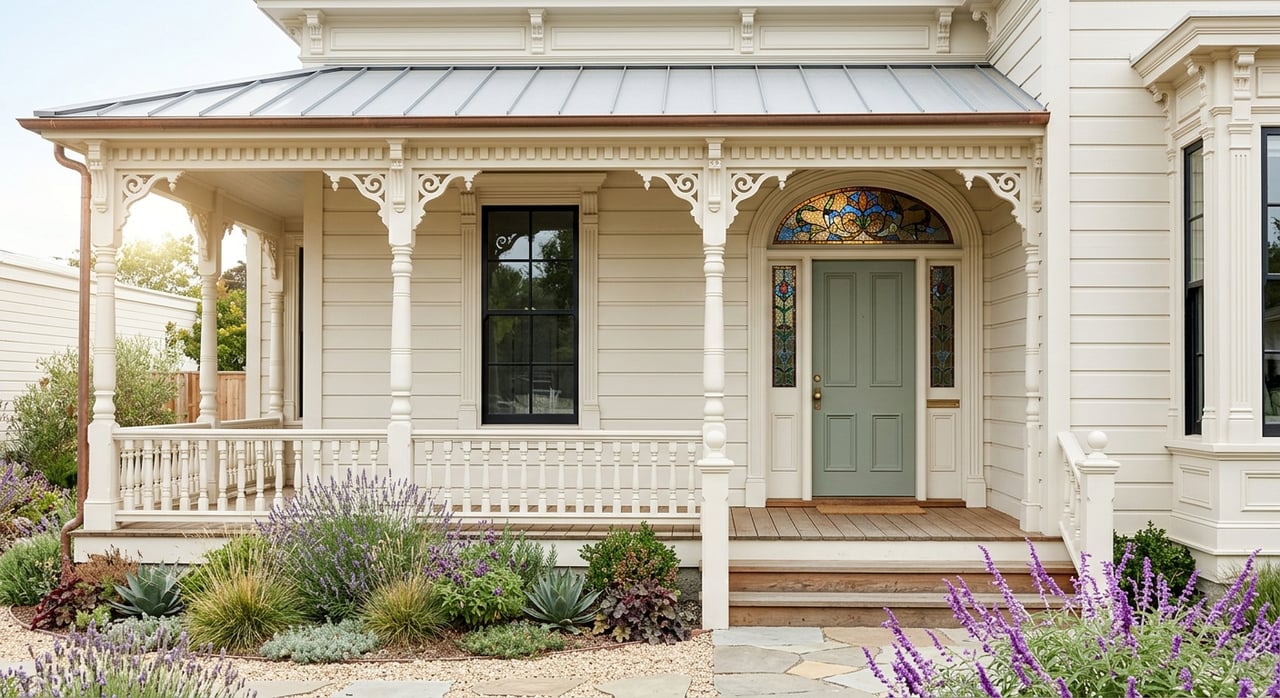
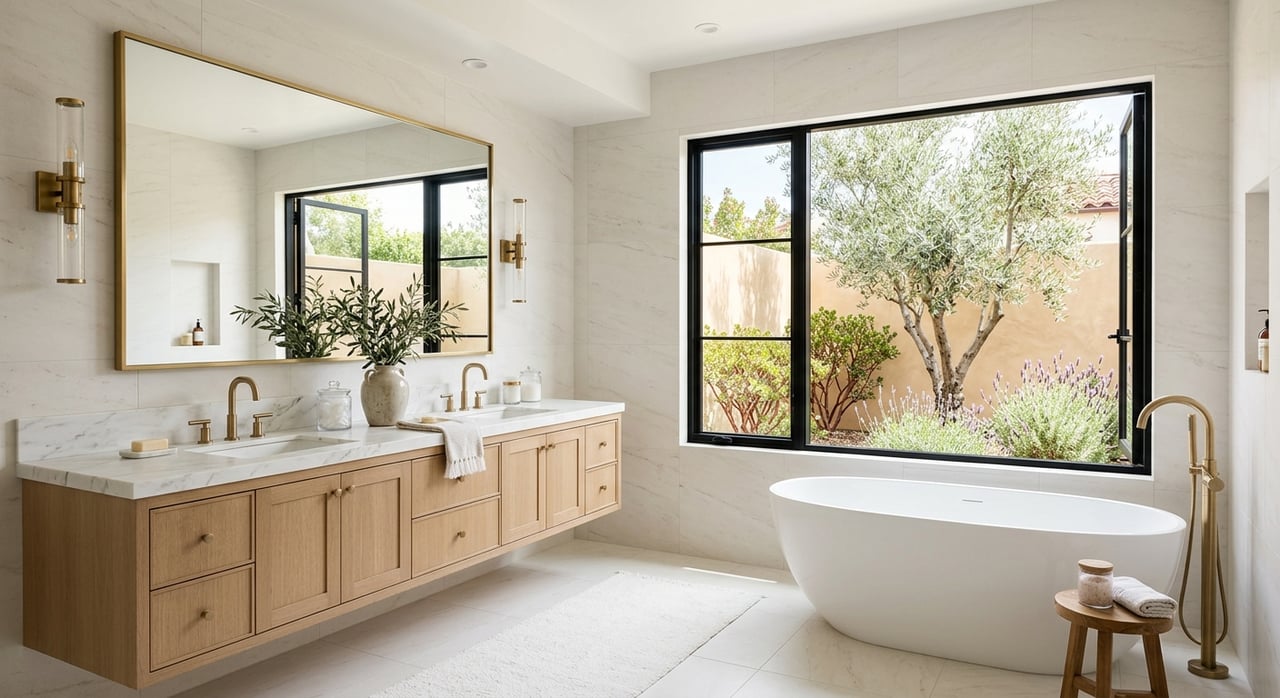
Two homes with the same square footage can command different prices if their condition is very different. Buyers look closely at things like kitchen and bath updates, flooring, roof age, maintenance, curb appeal, and overall presentation. These details shape what buyers think the home is worth.
Cosmetic updates often help more reliably than major renovations. Simple improvements like fresh paint, updated fixtures, and cleaned-up landscaping can improve first impressions and make your home feel move-in ready. Large remodeling projects may expand your buyer pool, but they do not always return their full cost.
This is one reason pricing should follow the home you have today, not the home you wish buyers would imagine. If your property has deferred maintenance or dated finishes, that usually needs to be reflected in the number.
Location and Lot Features Matter Too
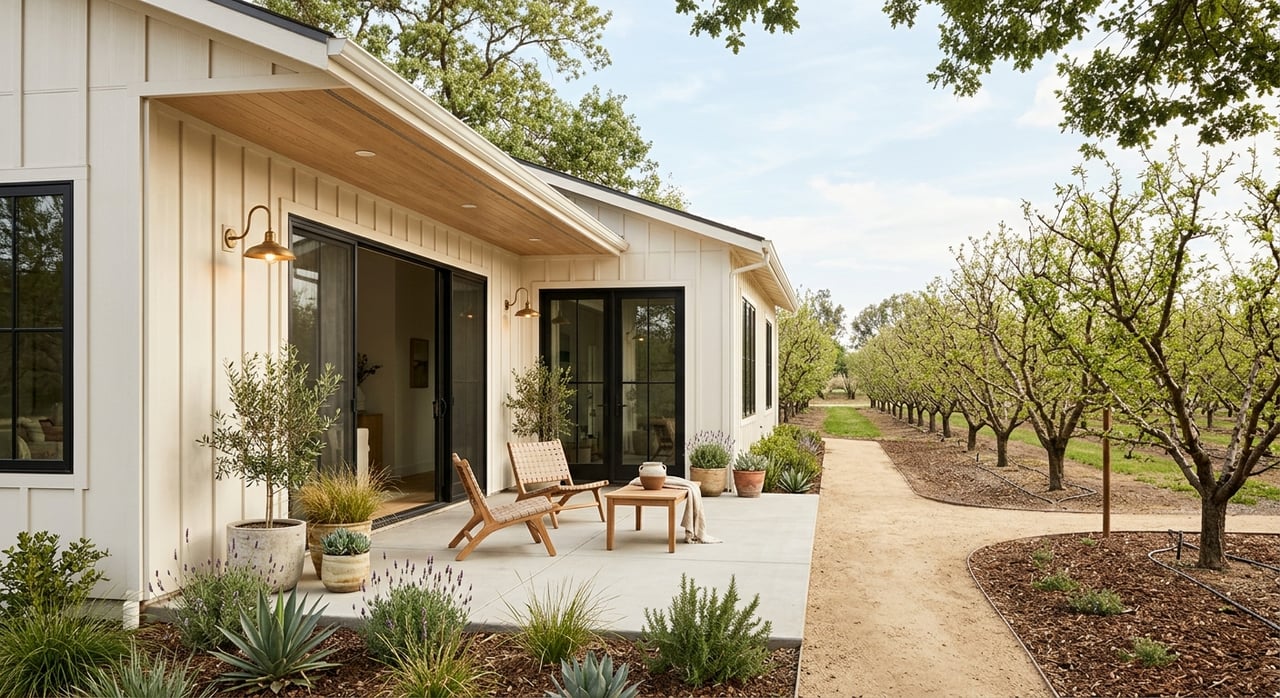
In Redding and across Shasta County, location is about more than a street address. It can include lot utility, access, privacy, views, outbuildings, parking, and how the property functions day to day. These features can have a real impact on value.
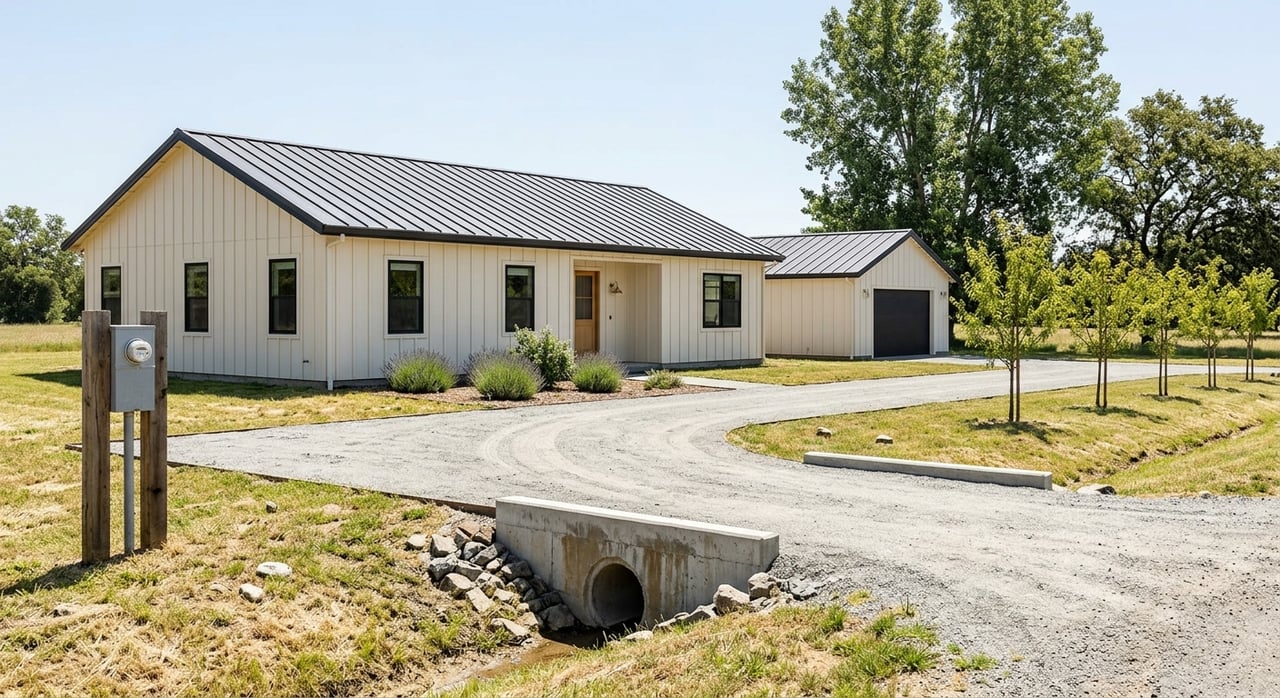
This is especially true for acreage, ranch, and other unique properties. A home with usable land, practical access, or valuable site improvements may need a different pricing approach than a standard suburban property. In those cases, the best comparable sales may be harder to find and may require careful adjustments.
That is also why price per square foot should be used carefully. Redfin places Redding’s median sale price per square foot at $256, but that number is only a helpful screening tool. It should support your pricing strategy, not replace a full market analysis.
Why Pricing High Can Backfire
It is tempting to think you can start high and negotiate later. In practice, that strategy often works against sellers, especially when buyers have access to listings, photos, and market data the moment your home goes live.
If buyers think your home is overpriced, they may not even schedule a showing. Fewer showings usually mean fewer offers, and fewer offers reduce your leverage. If the home then sits on the market, you may end up chasing the market with price cuts instead of leading with a strong opening position.
Recent seller analysis cited in the research shows that homes closing around four weeks after listing tend to produce strong sale-to-list outcomes. That supports the idea that early momentum matters. A right-sized price can help you capture attention while your listing still feels fresh.
Appraisal Support Still Matters
Even if a buyer loves your home, the deal still has to make sense to the lender when financing is involved. If the appraised value comes in below the contract price, the lender may not approve the full loan amount. That can lead to renegotiation, a larger buyer cash contribution, or a cancelled deal.
This is another reason to anchor your price to solid comparable sales. A market-backed list price does more than attract buyers. It also gives the transaction a better chance of holding together through appraisal.
In a financing-sensitive sale, pricing too far above what the comps support can create avoidable risk. A strong pricing strategy should consider not just offer potential, but also whether the final number is likely to be supported by the market evidence.
What a Pricing Consultation Should Cover
A useful pricing consultation should go beyond a quick online estimate. It should include a review of recent sold comps, active listings, pending sales, and in some cases expired or withdrawn listings. That full picture helps show what the market accepted, what it is considering, and what it rejected.
It should also include a property walkthrough. Features like deferred maintenance, layout, parking, curb appeal, lot usability, upgrades, and overall condition can all affect value. The goal is to compare your home honestly and strategically against nearby competition.
For some properties, especially luxury homes, ranches, and acreage, pricing may require a more tailored approach. Unique land features, outbuildings, access, and utility can make broad averages less useful. In those cases, local knowledge and careful comp selection matter even more.
Online Estimates Are Only a Starting Point
Online home-value tools can be convenient, but they are limited. They usually cannot fully account for condition, layout, upgrades, site usability, or the subtle location differences that affect value in the Redding area. They also may not reflect the most relevant comparable sales the way a detailed pricing review can.
That does not mean they are useless. They can give you a rough starting point. But if you rely on them alone, you risk setting a price that misses the market.
How To Think About Your Redding List Price
The best way to think about pricing is this: your list price is a market position, not a guess. It should reflect what similar homes have actually sold for, how your property compares in condition and features, and how current buyers are behaving.
In Redding, current data show a market where many homes still move quickly and some sell above list. At the same time, buyers remain selective and sensitive to value. That combination makes accurate pricing one of the most important choices you will make as a seller.
If you want to protect your momentum, attract serious buyers, and reduce the risk of appraisal issues, a thoughtful pricing strategy is worth the effort. If you are preparing to sell in Redding or anywhere in Shasta County, Monet Templeton can help you evaluate your home, review the local comparables, and set a price that fits today’s market.
FAQs
How should you price a home in Redding, CA?
- Start with recent closed sales of similar homes in Redding, then adjust for your home’s condition, features, location, and current competition from active and pending listings.
What is the difference between Redding sale prices and listing prices?
- Sale prices show what buyers actually paid at closing, while listing prices show what sellers are asking. They measure different things and should not be treated as the same data point.
Why can overpricing a home in Redding hurt your sale?
- Overpricing can reduce showings, slow buyer interest, lead to price cuts, and weaken your negotiating position if buyers feel the home is not aligned with market value.
Do home upgrades always raise your Redding home value?
- No. Cosmetic improvements like paint, fixtures, and landscaping often help, but major renovations do not always return their full cost in the sale price.
What happens if your Redding home does not appraise?
- If the appraisal comes in below the contract price, the lender may reduce the approved loan amount, and the buyer and seller may need to renegotiate, add cash, or cancel the deal.
Are online home value estimates accurate for Redding sellers?
- They can be a useful starting point, but they do not replace a detailed review of comparable sales, condition, location, and property-specific features.