A buyer walks a 27-acre parcel outside Los Molinos with a working walnut orchard, a flood-irrigated pasture, and an asking price that seems low for the acreage. The agent mentions, almost in passing, that the parcel carries an agricultural preserve designation. The buyer nods, files it under "tax perk," and moves on to the kitchen. Six months later, in escrow, that same designation turns into the reason a lender wants more paperwork, the reason a planned guest cottage can't be permitted the way the buyer assumed, and the reason the seller's attorney is drafting language about who inherits what.
That designation is a Williamson Act contract, and in orchard and ranch country like Los Molinos it is doing more work in the price of an acre than most buyers and sellers realize until they are already committed.
The discount is real, and that's exactly the problem
The Williamson Act, California's Land Conservation Act of 1965, lets a landowner and the county agree to keep a parcel in agricultural or open space use in exchange for a lower property tax bill. Instead of paying tax on what the land could sell for on the open market, the owner pays tax on what the land can earn as farmland. The California Department of Conservation puts the resulting savings at 20 to 75 percent of a landowner's property tax liability each year, and a survey the agency cites found that most enrolled ranchers say the savings equal or exceed their actual farming profit.
That is not a marginal benefit. For a lot of Tehama County agricultural land, the Williamson Act is the difference between a ranch penciling out and a ranch getting sold off in pieces. It is also why per-acre pricing on contracted Los Molinos parcels can look more attractive than a buyer expects. The seller has been paying a fraction of what an unrestricted parcel would owe, and that lower carrying cost has kept the operation viable for years, sometimes decades.
The part that catches people off guard is that the contract does not expire when the property does. It transfers.
The contract runs with the land, not the owner
A Williamson Act contract is a rolling 10-year term. Every year it is not challenged, it automatically renews for another year, so the clock to exit never starts on its own. The contract binds whoever owns the parcel next, which means a buyer does not opt into these restrictions so much as inherit them at closing.
While the contract is active, the land has to stay in agricultural or compatible open space use. Building a subdivision, adding significant non-agricultural structures, or splitting the parcel into small residential lots generally is not allowed without first ending the contract, and state law attaches real penalties, up to 25 percent of the land's unrestricted value, for structures that breach the agreement.
That restriction is the tradeoff for the tax savings, and it is fine for a buyer who intends to keep farming walnuts or running cattle. It is a much bigger conversation for a buyer who wants the acreage for a family compound, a short-term rental build, or future subdivision potential.
There are two ways out, and neither one is fast
If a buyer or seller wants to end a Williamson Act contract, the law gives two paths, and both come with a cost that should be priced into the deal before an offer is written, not after.
- Non-renewal. Either party files a notice of non-renewal, and the existing contract is allowed to run out over the following nine years for a standard 10-year contract, or 19 years if the land is in a stricter Farmland Security Zone. During that phase-out period, the property tax assessment climbs a little more each year until it reaches the parcel's unrestricted value.
- Cancellation. A landowner can petition the county board of supervisors to cancel the contract outright, but approval is rare and requires specific findings that cancellation serves the public interest, not just the landowner's convenience. According to the state's own cancellation process guide, the fee for a standard contract is 12.5 percent of the assessor's cancellation valuation, and it jumps to 25 percent for land in a Farmland Security Zone.
Neither route is quick, and neither is free. A buyer who assumes they can simply pay a fee and walk away from ag restrictions the week after closing is working from the wrong number, and a seller who has not checked which type of contract is on file, standard or Farmland Security Zone, is quoting the wrong exit cost to a buyer's agent who is doing their homework.
In Tehama County, this shows up on the tax bill itself. State law under AB 1265 and AB 1353 lets the county recapture a portion of the tax benefit in certain circumstances, and that recapture amount has to be displayed as its own line item, separate from the base assessment. It is one more place where the paperwork on a Los Molinos parcel is more specific than a generic ag-land search suggests, and one more reason a buyer's first call should be to the assessor's office, not the listing agent's marketing photos.
What this looks like on an actual Los Molinos parcel
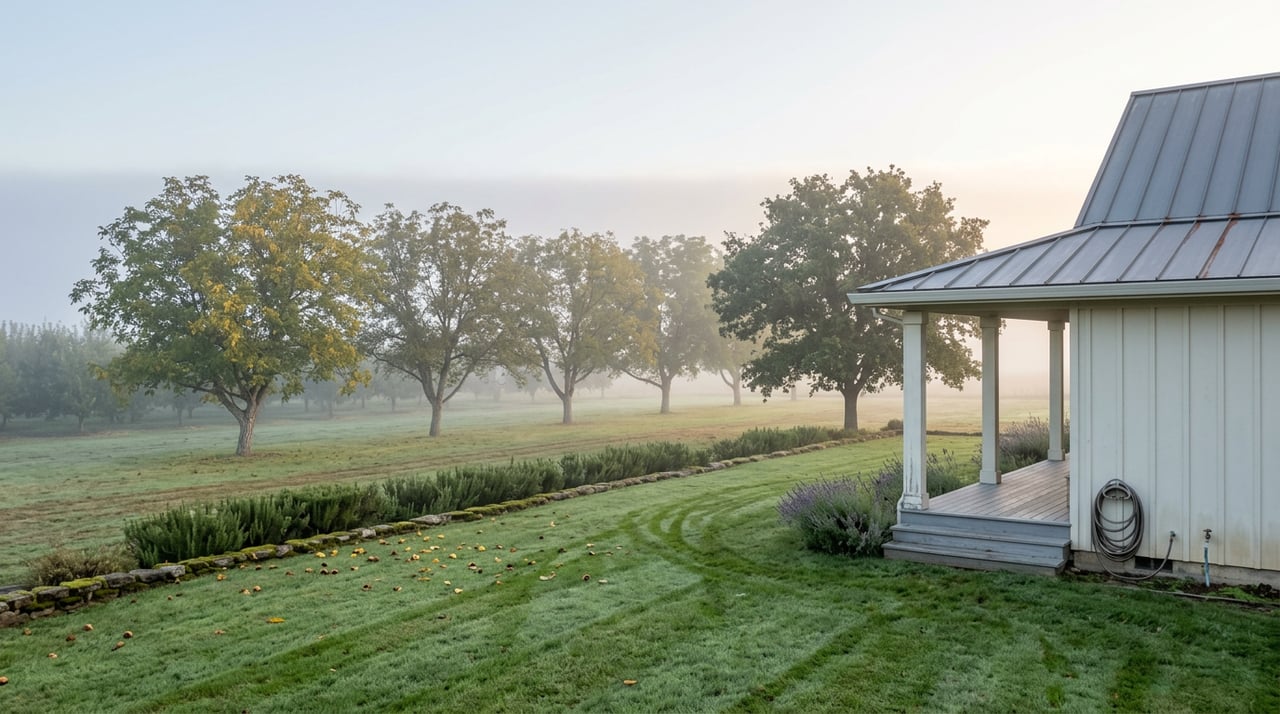
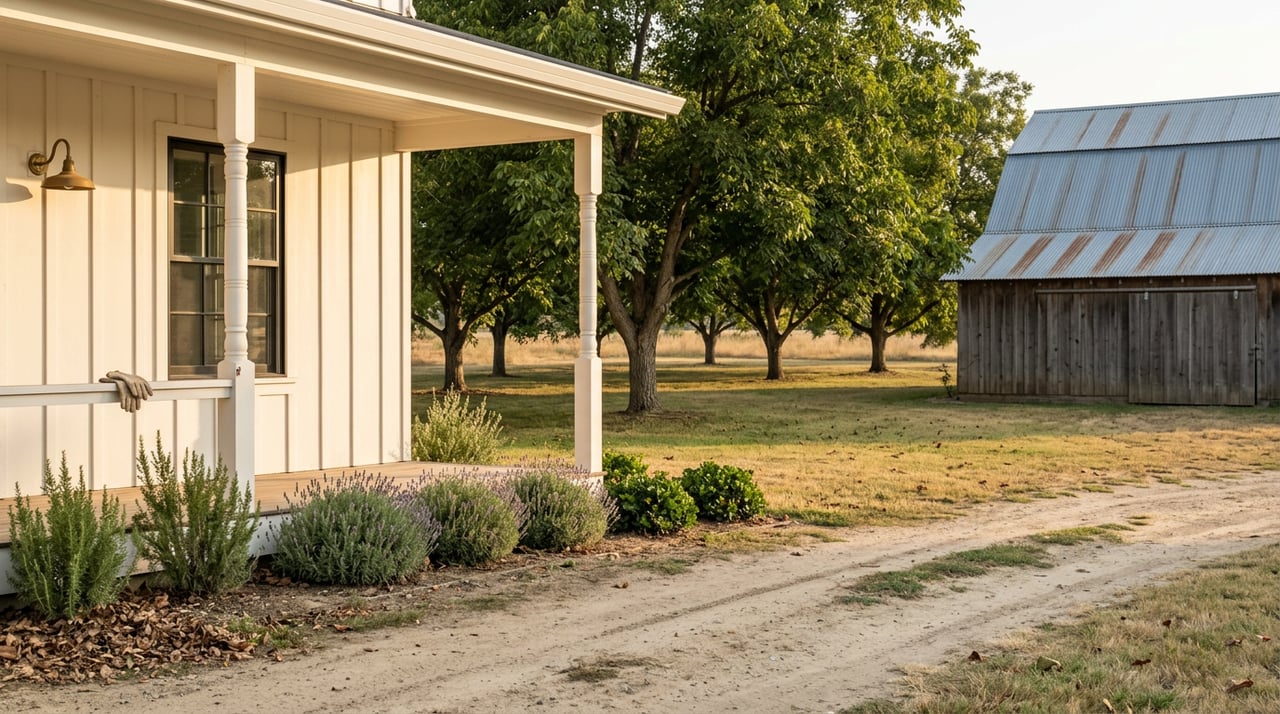
A 27-acre property on 68th Avenue in Los Molinos, which went pending earlier this month after listing in the spring, shows the profile clearly. The parcel carries AG zoning, a producing 14-acre Chandler walnut orchard, roughly 10 acres of fenced livestock flat, an agricultural well, a flood-irrigated pasture, and 17 shares of the Los Molinos Water District. It is exactly the kind of parcel where AG zoning opens the door to vineyards, equestrian use, or specialty crops, and exactly the kind of parcel where a Williamson Act contract, if one is on file, would shape what a buyer can and cannot do with that flexibility.
Whether or not a specific parcel like this one carries an active contract is not something a listing sheet answers. It is something the Tehama County Assessor's parcel record answers, and it is a five-minute check that changes the conversation before an offer goes in rather than after.
Why this changes who should be bidding
Here is the part that matters most for pricing strategy, not just paperwork. A Williamson Act contract does not just restrict use. It narrows the buyer pool.
A buyer who wants to keep the walnuts producing and the pasture irrigated is barely affected by the contract. They inherit a lower tax bill and a use restriction they were planning to honor anyway. A buyer who wants the acreage as a future homesite for a second residence, a development play, or a short-term rental compound is looking at years of rising taxes under non-renewal or a six-figure cancellation fee before those plans are legally possible.
That means the same 27 acres is worth something different to each buyer, and a listing strategy that markets exclusively to lifestyle buyers or investors without disclosing contract status is setting up a renegotiation once the buyer's agent finds the "AP" designation on the assessor's parcel report, which is how many California counties flag contracted land. A listing strategy that leads with the contract status, and prices accordingly for an agricultural-use buyer, tends to close cleaner and faster.
Where to check before you write an offer
The Tehama County Assessor's office, at 444 Oak Street, Suite B in Red Bluff, maintains the parcel records that show whether a property carries a Williamson Act designation, and a call to their office at 530-527-5931 is the fastest way to confirm status before an offer is drafted. For sellers, that same office is where the annual Agricultural Preserve Questionnaire and any non-renewal or cancellation filings live, and getting ahead of that paperwork before listing avoids a surprise mid-escrow.
A few questions worth asking directly
Does the contract disappear when the property sells? No. It is recorded against the land and binds the new owner exactly as it bound the seller, until non-renewal or cancellation is completed.
Can I still build a house on Williamson Act land? A single farm residence tied to the agricultural operation is typically fine. A second home, a subdivision, or structures unrelated to the farming use generally are not, without ending the contract first.
Does starting non-renewal freeze my taxes at the current rate? No. Once filed, the assessment increases annually through the phase-out period until it reaches full market-based value.
Los Molinos orchard and ranch land carries a genuine advantage in its Williamson Act contracts, and that advantage is worth protecting for the right buyer. It is also worth explaining clearly to the wrong one before they make an offer they cannot execute. If you are weighing a sale on contracted acreage, or looking at a parcel that might carry one, Monet Templeton can walk through what your specific contract type means for timeline and price before you list or write an offer. Book an appointment or request a home valuation to start that conversation.