Thinking about buying a rental in Redding but unsure where to start? You are not alone. Investors love the area’s lower entry prices compared with coastal California, yet real returns come down to careful underwriting, local rules, and wildfire risk. In this guide, you will get clear numbers, practical checklists, and the key regulations that shape returns in Redding and greater Shasta County. Let’s dive in.
Redding at a glance
Redding is a midsize Northern California city with roughly 93,500 residents and an estimated 36,000 to 40,000 households. That scale supports steady renter demand and local services. You can confirm the latest population snapshot in the U.S. Census QuickFacts for Redding city. The area’s employment base is anchored by healthcare, government, education, retail, and services, with unemployment in Shasta County trending in the mid single digits in late 2025. Those steady anchors create a consistent renter pool, though growth is modest versus coastal metros.
- Population and households: See the latest city data in U.S. Census QuickFacts for Redding.
- Jobs and unemployment: Review the county profile on the California EDD labor market portal.
What the numbers suggest
Recent sale price signals from national trackers place median home values for Redding in the low to mid $300,000 to $400,000 range, depending on the data set and season. On the rent side, a blended view suggests asking rents generally cluster around $1,400 to $1,700 per month, with the FY2024 Fair Market Rent for a 2‑bedroom at about $1,487. This mix gives you a quick way to gauge price-to-rent for screening deals.
- Benchmarks to keep in mind:
- Illustrative gross rent multipliers often land around the high teens to low 20s for typical properties in Redding.
- Based on recent medians, gross rental yields often pencil in around 4.7% to 5.1% before expenses.
Those are gross figures. After property tax, insurance, maintenance, vacancy, and management, net yields usually settle in the low to mid single digits. Plan your pro forma with conservative expense ratios so your numbers still work if costs run higher than expected. For comparison on rent levels, check the Redding MSA’s FY2024 two‑bedroom benchmark through RentData’s Fair Market Rent reference.
Property types and condition
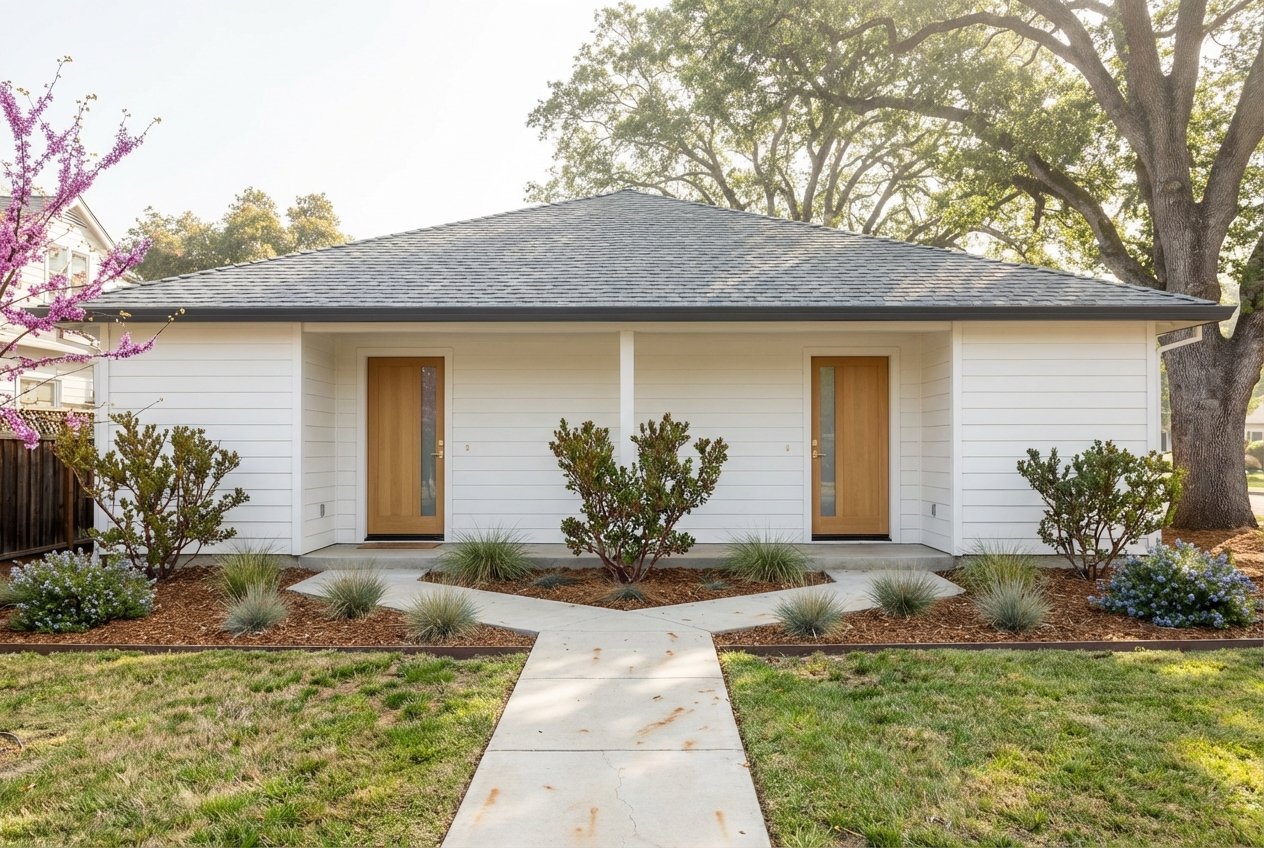
In Redding, most investor-friendly listings are detached single‑family homes and smaller 2–4 unit properties. You will also see manufactured homes and small multifamily buildings in the mix. Much of the housing stock dates from the mid‑20th century through the 1980s. That age profile can mean mid‑life systems are due for repair or replacement.
When you tour, focus on big-ticket items that move the underwriting:
- Roof age and expected remaining life.
- HVAC efficiency and electrical panel capacity.
- Plumbing material and any foundation or drainage concerns.
- Permit history for additions or garage conversions.
- Sewer versus septic and any required tests if the property is on septic.
Budget a healthy capital reserve if you are buying older wood‑frame homes. A thoughtful upfront inspection can save you from surprise CapEx in the first few years.
Returns and underwriting basics
Underwrite from a conservative baseline so you are protected if vacancy rises or premiums change. A simple starting framework looks like this:
Income inputs
- Use rent comps from recent leased units and local property managers, not just active listings. Listings can overstate achievable rent.
- If you are early in research, anchor your 2‑bed estimate near the area’s FY2024 FMR and adjust for unit size, condition, and location.
Expense inputs
- Property tax: In California, Proposition 13 sets a 1% base on assessed value plus parcel-specific assessments and any Mello‑Roos where applicable. Use 1% as a baseline, then confirm the exact parcel tax and special assessments with the Shasta County lookup. You can pull the parcel’s details through the county tax portal.
- Insurance: Obtain quotes early and ask about wildfire riders or the California FAIR Plan as a fallback scenario.
- Management and leasing: If you use a professional manager, budget around 8% to 10% of collected rent, plus lease-up fees.
- Vacancy: 5% to 8% is a common allowance. Seasonality can matter.
- Repairs and capital reserves: Reserve 5% to 10% of rent for ongoing maintenance plus a separate capital reserve for roof, HVAC, and windows.
Debt and stress tests
- Model the deal at higher vacancy, rising insurance costs, and 1% to 2% more in annual CapEx. If it still works, you have a sturdier investment.
Regulations that shape strategy
California and local rules have a direct impact on returns. Build these into your plan before you write an offer.
State rent caps and just cause: AB 1482 limits annual rent increases for many covered units to 5% plus CPI, capped at 10% in any 12‑month period, and requires just cause for many evictions. Some properties are exempt, including certain newer construction and some single‑family homes owned by individuals. Review the official text and verify a unit’s status before you price future rent growth. See the AB 1482 bill text.
Short‑term rentals: Redding requires permits or business licenses for STRs, along with transient occupancy tax collection. The city distinguishes hosted homestays from whole‑home vacation rentals and has citywide caps and other standards. City Council also updated downtown mixed‑use zoning in 2025 to allow some multifamily units to be used as STRs under defined conditions. If STR income is part of your plan, read the city steps on Airbnb’s local guidance page and confirm current caps, buffers, parking, and enforcement with the city. Start with Airbnb’s summary for Redding’s local STR requirements. You can also review reporting on the 2025 Council action through this meeting summary.
ADUs and SB 9 potential: State reforms have made it easier to add an accessory dwelling unit on many residential parcels. SB 9 can also enable a ministerial duplex or an urban lot split in qualifying single‑family zones, subject to local standards and eligibility. This can create long‑term upside, but you should verify parcel eligibility and objective standards with the City of Redding planning department before you underwrite any added units. Read the SB 9 bill text.
Wildfire and insurance reality check
Wildfire risk is the non‑negotiable item in Shasta County underwriting. The 2018 Carr Fire reached into Redding and shaped local awareness and insurance practices. Some parcels fall into mapped high or very high Fire Hazard Severity Zones. That status can affect your ability to get coverage, your premiums, and deductibles.
- Before you offer, check the parcel’s Fire Hazard Severity Zone status using county and CalFire mapping. Start with Shasta County’s FHSZ resources and maps.
- Ask insurers for landlord quotes and any required hardening or defensible-space compliance. Get quotes early and include realistic premiums in your pro forma.
Where the upside can be
Redding is not a high‑yield market on paper, but you can create value with the right plan.
- Value‑add on older homes: Modest renovations that improve durability and operating costs, like energy‑efficient HVAC or window upgrades, can support rent and reduce maintenance.
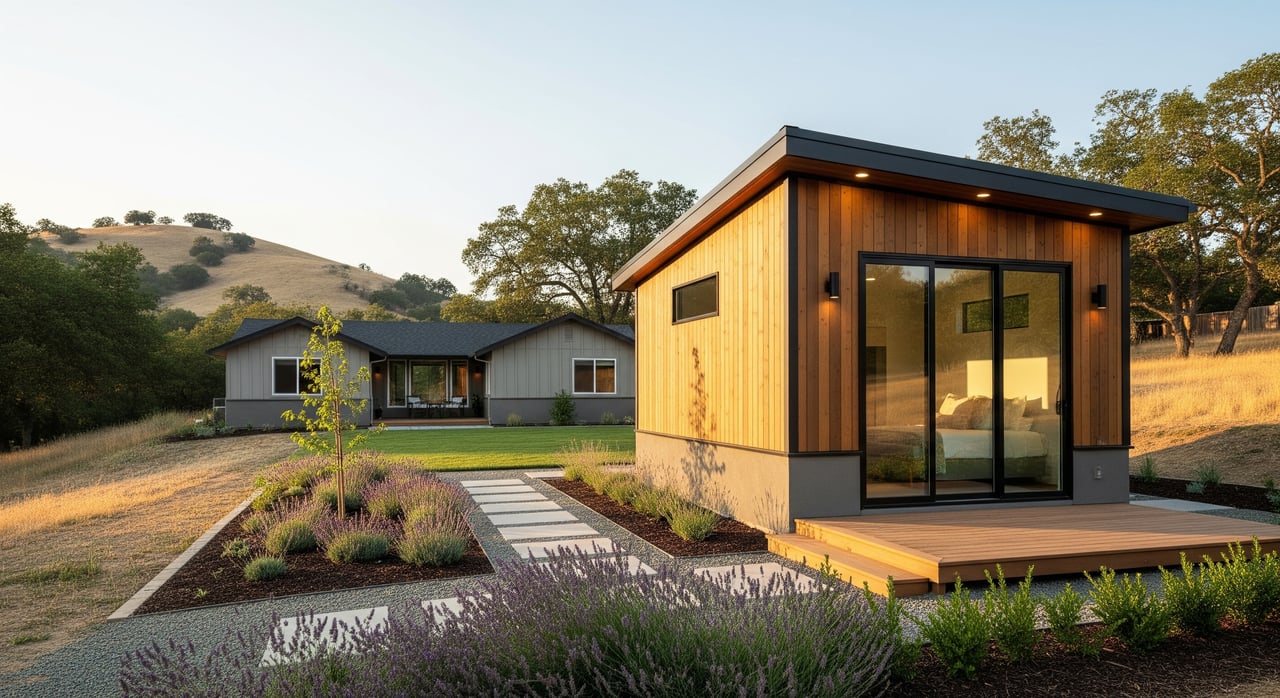
- ADU income: Where allowed, an ADU behind a single‑family home can diversify income and improve returns. Confirm utility and parking standards before you assume feasibility.
- Strategic STR use: In areas and buildings where STRs are permitted and make sense, a hosted or small‑unit STR can outperform long‑term rents. Always confirm permits, caps, and TOT details first.
- Small multifamily: Duplexes, triplexes, and fourplexes can smooth vacancy risk and sometimes offer better price-to-rent than single‑family homes.
A practical due‑diligence checklist
Use this checklist for any property you are considering. A local agent and a reliable property manager can help you validate items on site.
Market and comps
- Pull 90–180 day MLS sold comps that match bed/bath, lot size, and micro‑location.
- Compare rent comps from recent leases and property managers. Listings and achieved rents can differ.
Physical condition and systems
- Roof, HVAC, electrical panel capacity, plumbing material, and foundation.
- Drainage, water intrusion, mold, or termite activity.
- Sewer versus septic, percolation tests if needed, and permit history for any additions.
Operating costs
- Property tax and special assessments with the county parcel lookup.
- Insurance quotes for landlord coverage and wildfire riders.
- Utilities, any HOA dues, management fees, leasing fees, vacancy and repair reserves.
Regulatory checks
- AB 1482 coverage or exemption status for the unit. See AB 1482.
- STR permit rules, caps, and TOT registration if considering short‑term use. See Airbnb’s local STR requirements.
- SB 9 or ADU feasibility for long‑term upside. See SB 9.
Neighborhood and tenant market
- Commute routes, proximity to services, and local employer stability through the EDD labor profile.
- Seasonal demand factors if you plan STRs.
Financing and exit plan
- Confirm lender appetite for SFR versus 2–4 units and any differences in down payment or amortization.
- Stress test with higher vacancy, rising insurance, and added CapEx to ensure resilience.
How a local advisor protects your outcome
Numbers and rules are one side of the equation. Local relationships, on‑the‑ground rent reads, and permit know‑how are the other. A seasoned Northern California agent can assemble a clean comps packet, coordinate inspection pros who know the region’s vintage housing quirks, and confirm city rules for STRs, ADUs, or SB 9 before you commit.
If you would like a tailored underwriting packet for a specific property, or you want to compare neighborhoods and rent comps before you fly in, connect with Monet Templeton. With deep local roots and a calm, results‑focused approach, she can help you find the right fit and negotiate terms that match your investment plan.
FAQs
Are Redding rentals typically cash flow positive for new investors?
- Often modest; gross yields commonly start near 4.7% to 5.1%, and net returns land in the low to mid single digits after taxes, insurance, maintenance, vacancy, and management.
What are average rents in Redding right now?
- A blended view places many listings in the $1,400 to $1,700 range, with the FY2024 two‑bedroom Fair Market Rent around $1,487 per month per RentData’s Redding MSA reference.
Does California’s AB 1482 rent cap apply in Redding?
- Yes, AB 1482 applies statewide with exemptions for certain property types, so verify whether a specific unit is covered or exempt using the official bill text.
What should I know about short‑term rental rules in Redding?
- Redding requires permits or business licenses, transient occupancy tax registration, and follows caps and standards that vary by type and location, so review Airbnb’s local STR guidance and confirm current city rules before you buy.
How big is wildfire risk in Shasta County for rentals?
- Some parcels sit in high or very high Fire Hazard Severity Zones, which can affect insurance availability and cost, so check the parcel’s status with county FHSZ maps and get quotes early.
Can I add an ADU or split a lot to boost returns?
- State ADU reforms and SB 9 can allow additional units or certain lot splits on eligible parcels, but you must confirm local standards and eligibility with the city; start with the SB 9 bill text.