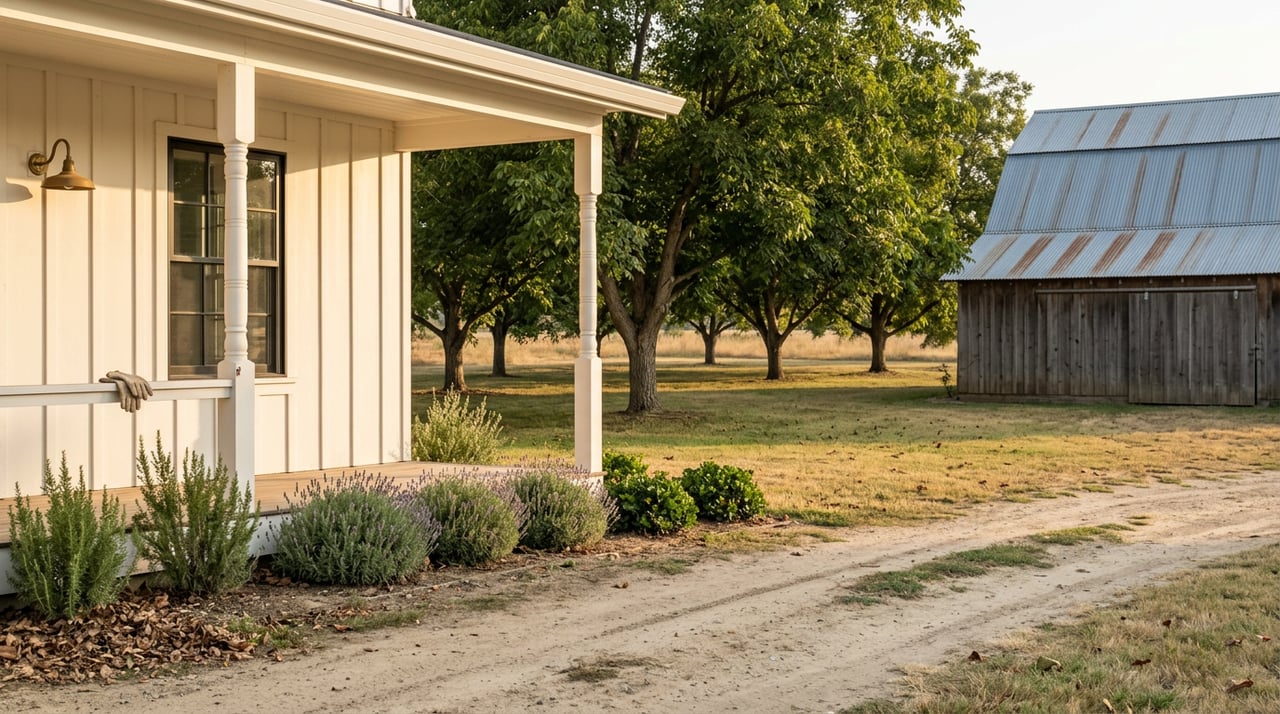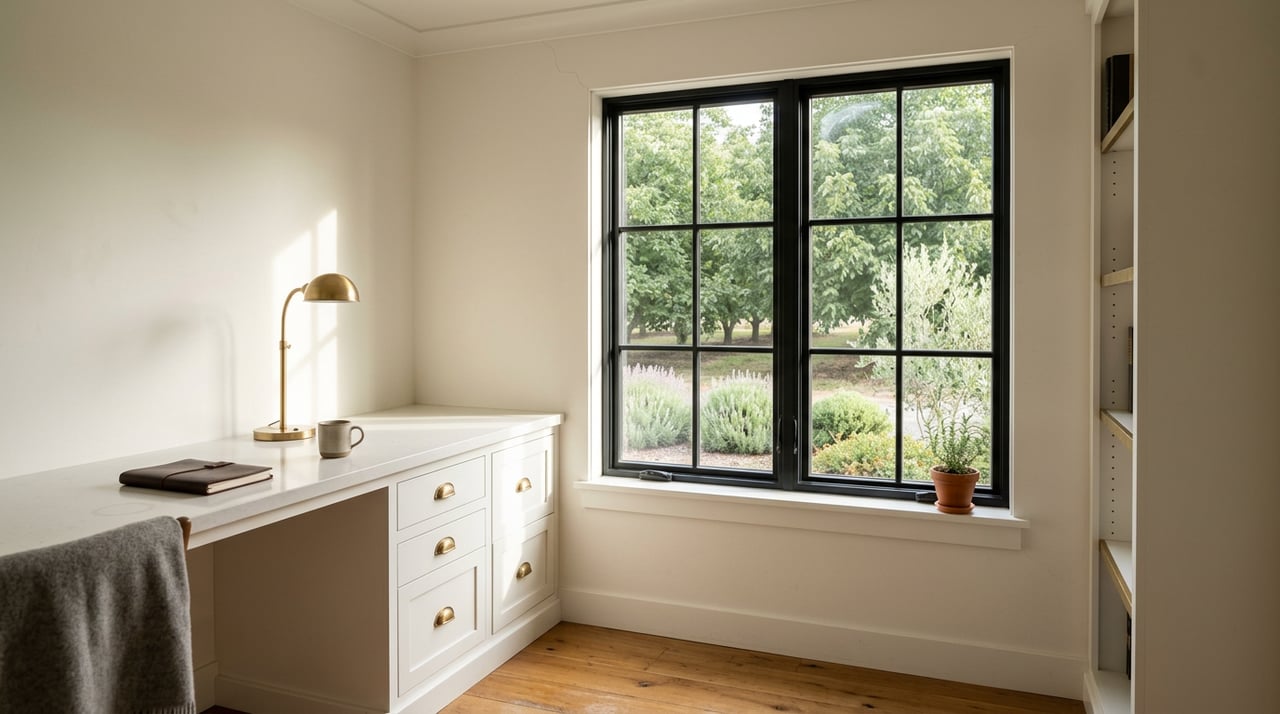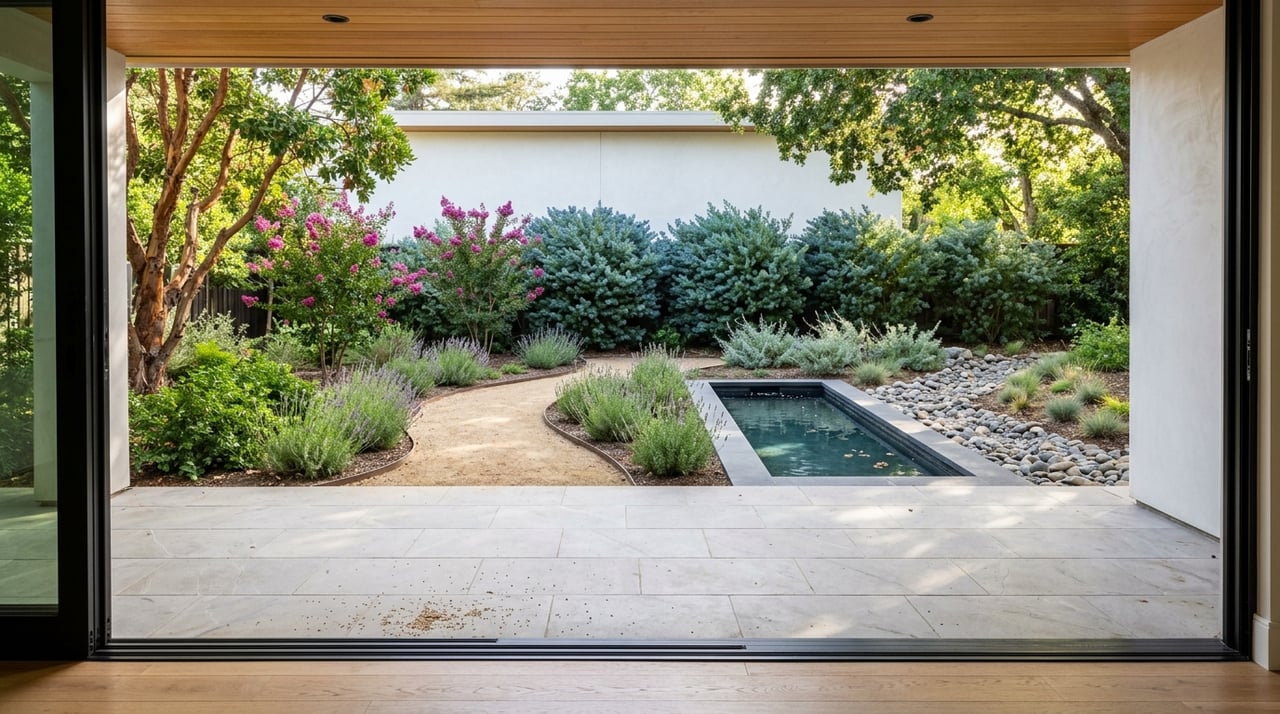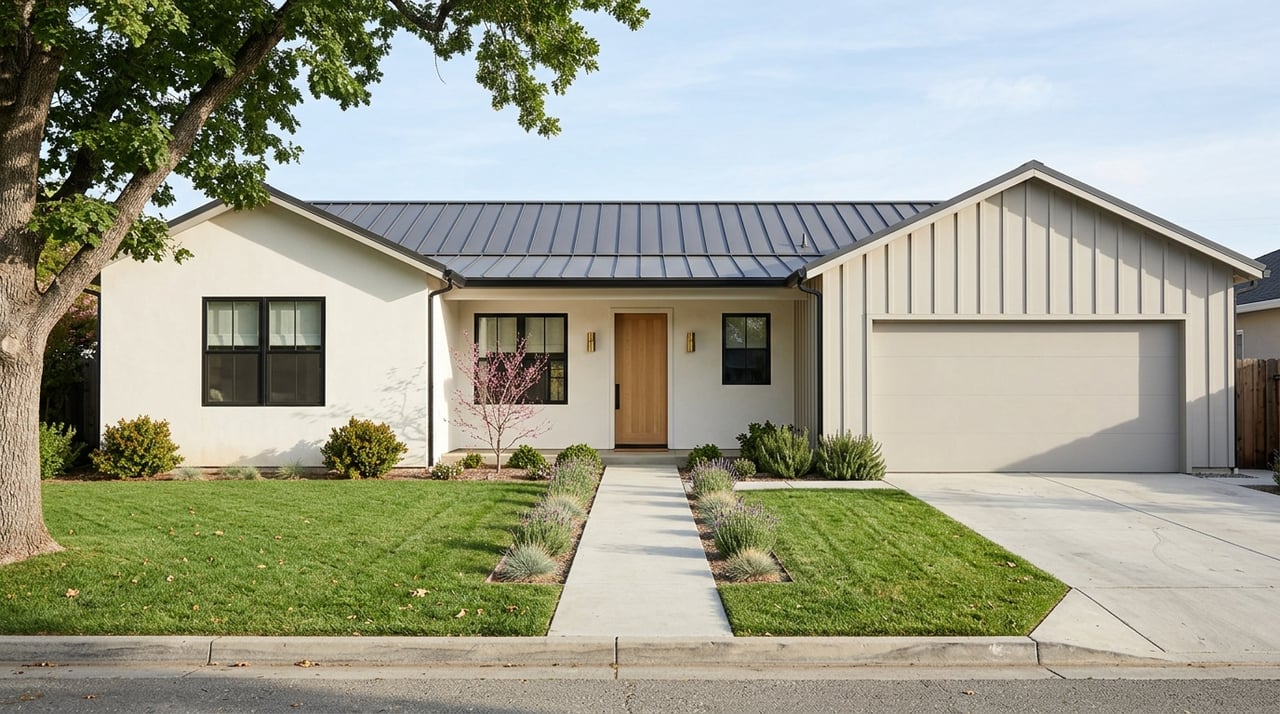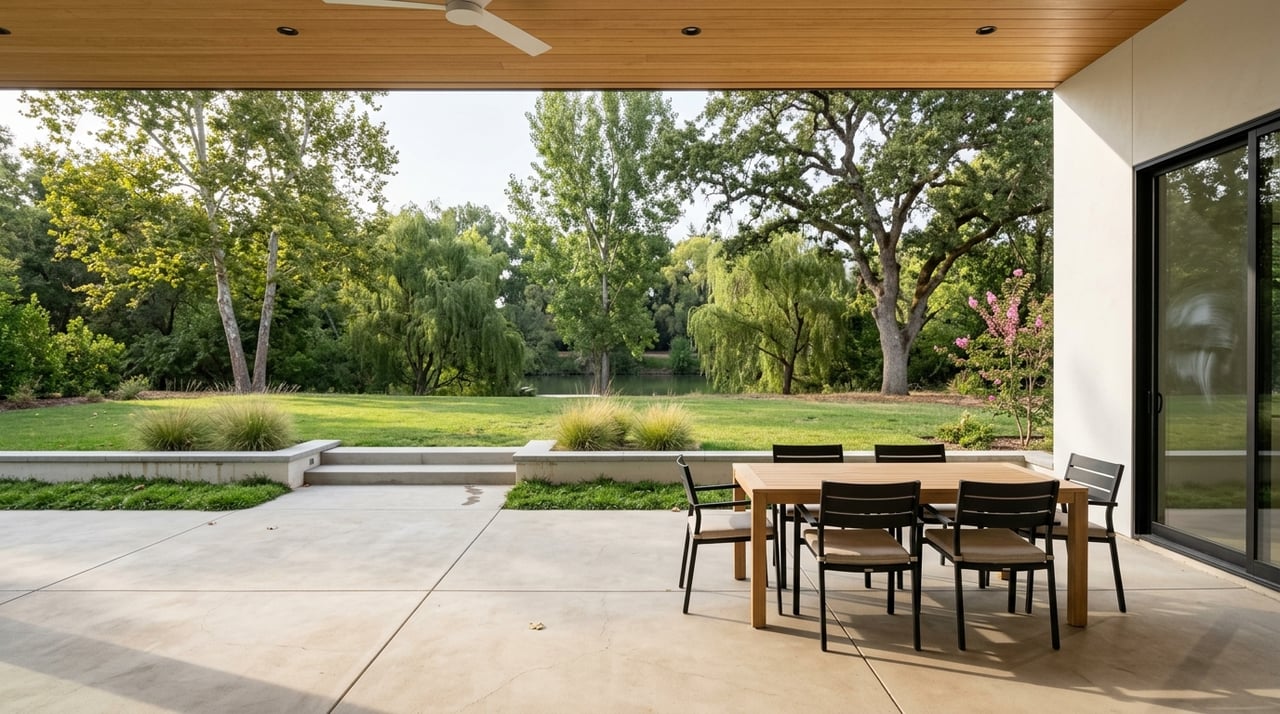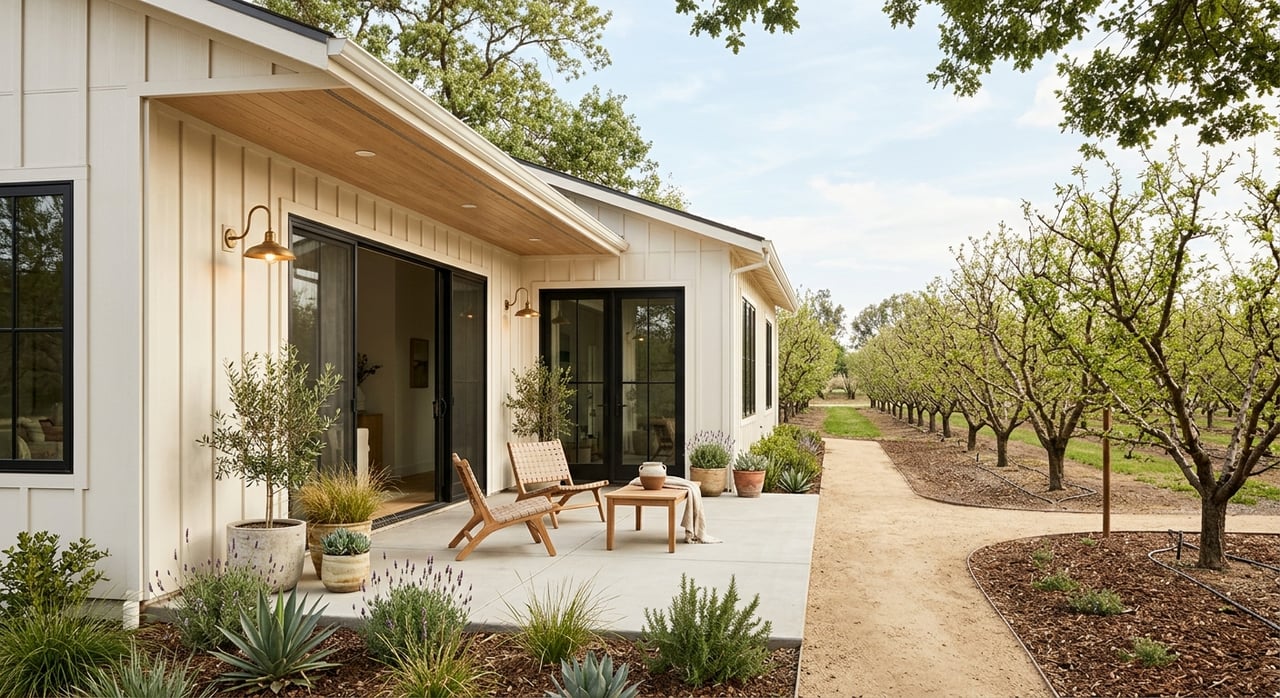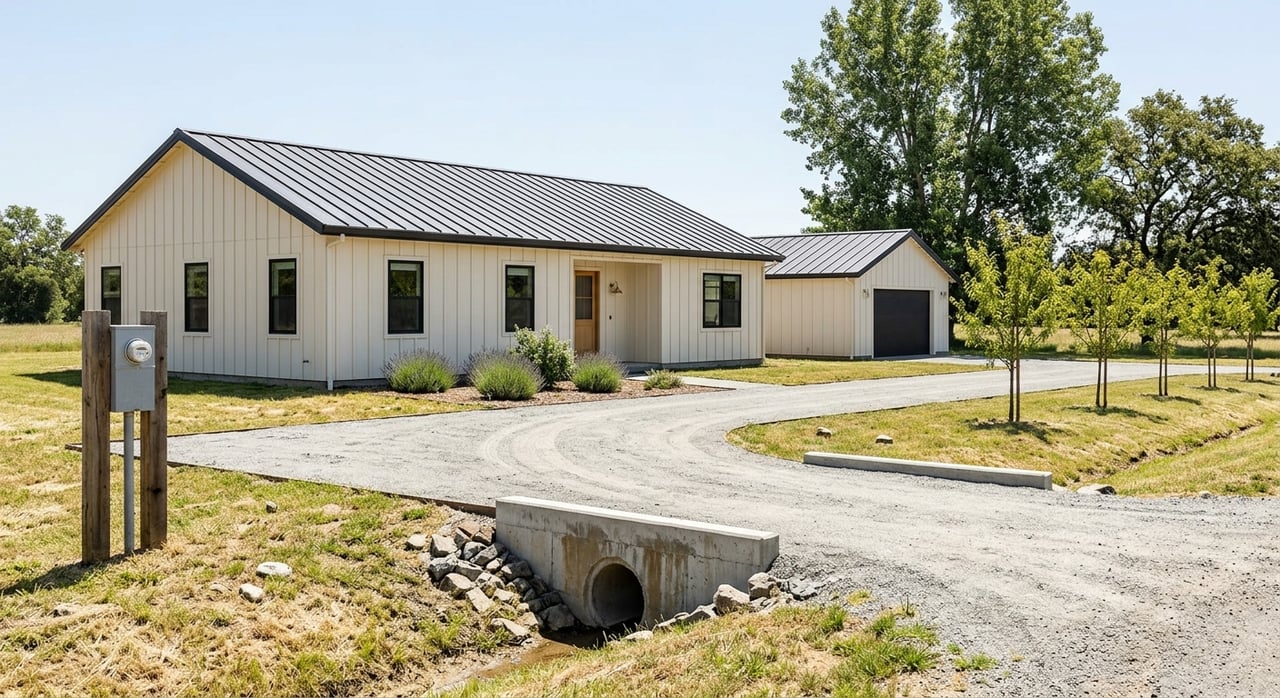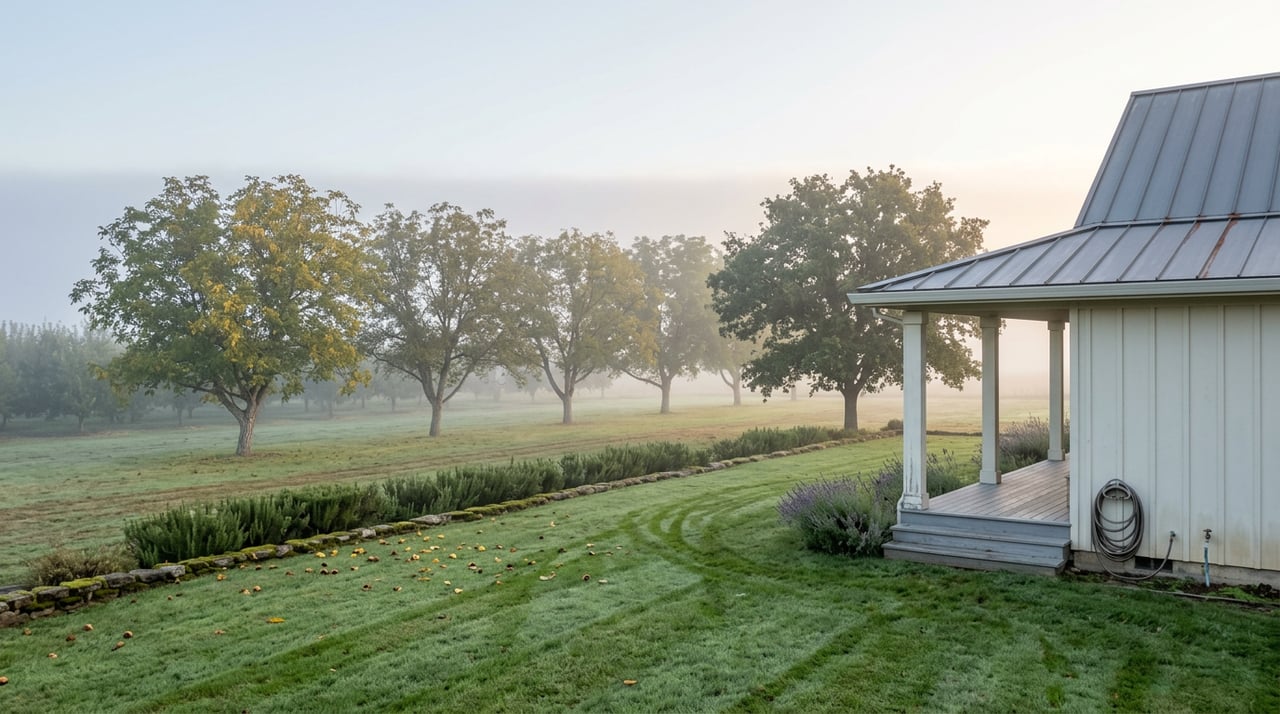
You drive into Los Molinos on a fall afternoon and the walnut trees are turning, rows of them running back from the road in that neat, deliberate spacing that tells you someone has farmed this ground for generations. The house you're touring sits under that same canopy. It's a big part of why you called about the listing. Then you sit down with the disclosure packet later that week, and buried in the paperwork is a state-required notice telling you the property may be subject to noise, dust, and chemical application from surrounding farm operations, and that those activities can happen at any hour of the day or night.
The orchard that sold you on the house is the same one the law requires the seller to warn you about.
This isn't a red flag on one particular listing or a sign the seller is hiding a problem. It's a standing feature of buying property in a town built around working farmland, and it's worth understanding clearly before you get to a closing table and see it for the first time.
Why the Notice Shows Up on So Many Los Molinos Listings
California law requires sellers and their agents to disclose when a residential property sits within one mile of land the state has designated as farmland on its Important Farmland Map. That designation covers five categories: Prime Farmland, Farmland of Statewide Importance, Unique Farmland, Farmland of Local Importance, and Grazing Land. The requirement has been in place since January 1, 2009, added to the Civil Code by state legislation aimed at making sure buyers see this information before they sign rather than after they've moved in.
Most towns encounter this disclosure occasionally, on the edge of a subdivision or near a single remaining farm. Los Molinos is different. The town is built around orchard country, with walnut, almond, and prune groves running along nearly every road leading out of the center of town. In a place like that, the one-mile radius isn't a narrow filter that catches a handful of properties. It's closer to a baseline condition of the local housing stock. If you're shopping for a home in Los Molinos, plan on seeing this disclosure on most of the listings you tour, not just the one that happens to back up to a grove.
The Legal Trade the State Made
The disclosure exists because of an older piece of law. Since 1981, California's Right to Farm Act has shielded established agricultural operations from nuisance lawsuits over the ordinary consequences of farming: noise from equipment, dust from tilling, odor, and the smell or sound of chemical application, as long as the operation was there first and follows standard practices for the industry. Without that protection, a new house built next to a decades-old orchard could sue the orchard over the very activity that's been happening on that land for years before the house existed.
The 2009 disclosure requirement is the other half of that trade. Instead of letting a buyer discover the protection only after filing a complaint about a five a.m. sprayer, the law makes sure the buyer sees the notice in writing before they own the property. It's worth understanding what the protection actually covers, though, because it isn't unlimited. Right to Farm law bars nuisance claims against lawful, ordinary farm activity. It does not automatically shield a farm from every dispute a neighbor might raise. A fence line dispute, an irrigation runoff issue that crosses onto your property and causes damage, or actual property trespass sit in different legal territory than the noise and smell the disclosure is built to cover. If a specific concern comes up during your purchase, that's a conversation for a real estate attorney, not a question the disclosure alone will answer.
A Working Ag Town, Not Just a Backdrop
Part of what makes this disclosure meaningful in Los Molinos specifically is that the orchards aren't decorative. The town has real processing infrastructure built around the harvest. California Walnut Company has operated in Los Molinos since 1909, a family business now well past a century old, and Crain Walnut Shelling runs a full shelling and logistics operation out of a facility on Decker Avenue, with dedicated lines for harvest receiving and trucking dispatch.
That matters because it explains the "any hour" language in the disclosure in a way that's specific to this town rather than generic. During harvest season, typically the fall months, walnut orchards run mechanical shakers and sweepers on their own schedule, and the trucks moving nuts to a shelling operation don't wait for business hours. If your prospective home sits along one of the routes trucks use to reach a processing facility, or close enough to an orchard to hear the equipment during harvest, that's not a defect in the property. It's what living in an active agricultural town actually sounds like for a few weeks a year.
What to Actually Ask Before You Sign
The disclosure itself is a legal notice, not a property inspection. It tells you that farmland exists within a mile and that ordinary agricultural activity is protected. It doesn't tell you what that means for the specific parcel you're buying. Before you write an offer on a Los Molinos property, it's worth asking a few direct questions:
- What orchards or operations are within sight or sound of this specific parcel, and which direction does prevailing wind and traffic run relative to the house
- Whether the current owners can describe what harvest season sounds and looks like from this property, since they've lived through it
- Whether the property sits along a known route trucks use to reach a processing facility like the ones on Decker Avenue or Joseph Avenue
- Whether any private road agreement or easement on the property adds separate terms about dust, noise, or access that go beyond the state disclosure
None of these questions are meant to talk you out of a purchase. They're meant to replace a generic legal notice with a specific, honest picture of what daily life looks like on that particular lot, which is a very different exercise than reading a boilerplate paragraph in a stack of closing documents.
Frequently Asked Questions
Does this disclosure mean the seller knows about a specific problem? No. The disclosure is triggered automatically whenever the state's Important Farmland Map shows qualifying land within a mile of the property, regardless of whether there's ever been a complaint or dispute connected to that parcel.
Can I take legal action later if orchard activity bothers me after I move in? Not through a nuisance claim against an established, lawfully operated farm. That protection is the entire purpose of California's Right to Farm law, and the disclosure exists specifically to make sure you know that going in.
Does every home in Los Molinos trigger this disclosure? Not automatically, but given how much of the town sits inside farmland the state has mapped, most listings will. Ask for the parcel-specific report rather than assuming based on what you can see from the street.
If you're weighing a property in Los Molinos and want to know exactly what a disclosure will say before you commit to it, Monet Templeton can pull the parcel-specific farmland report and walk through what it actually means for that address. Book an appointment or request a home valuation to get a clear read before you write an offer.